Croatian Honey: A Guide to Varieties and Traditions
From acacia to sage, Croatia's honey reflects its diverse landscapes. Here's what to know and how to enjoy it.
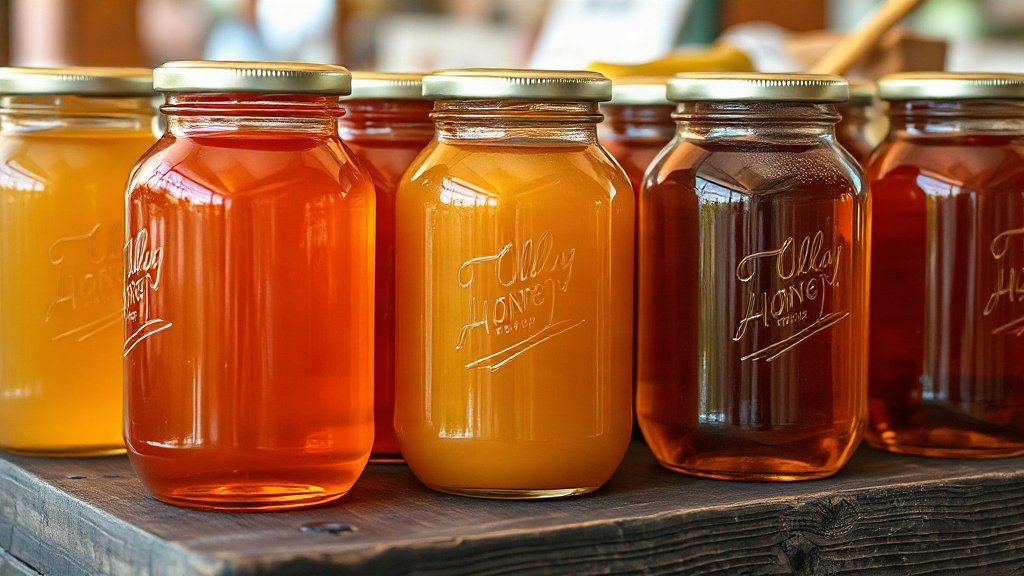
Illustration: AI-generated image
Honey has been part of Croatian life since ancient times. The country's varied climate—from Mediterranean coast to continental plains and mountain forests—gives beekeepers an unusually wide palette of nectar sources, and the result is a remarkable range of distinctive honeys.
Main Varieties
Acacia honey is one of the most common and beloved. Light in colour, mild and slow to crystallise, it is often the first choice for sweetening tea or drizzling over pancakes.
Linden, or lime tree honey, comes from the fragrant blossoms of the linden trees that line many Croatian town squares and parks. It has a light golden colour, a fresh, slightly minty aroma and a gently sweet taste.
Chestnut honey is darker, stronger and less sweet, with a slightly bitter, earthy note. It is prized as a pairing for aged cheeses and cured meats.
Sage honey is a speciality of the Dalmatian coast and islands, where wild sage covers the rocky hillsides. It is pale with a delicate, herbal flavour that reflects its origin.
Forest honey, or honeydew honey, comes not from blossoms but from the sweet secretions of insects feeding on tree sap, often in oak or fir forests. It is dark, rich and full of minerals, with a complex taste that works well in marinades and sauces.
Regional Character
Honey is sold in green markets, small shops and directly from family-run apiaries throughout Croatia. Many beekeepers label their jars with the dominant nectar source and the region, which helps you explore local differences. In Istria, look for acacia and chestnut; in Slavonia, sunflower and rapeseed honeys are common; along the coast, sage, rosemary and heather honeys dominate.
How to Enjoy It
Use mild varieties like acacia or sage for sweetening drinks, yoghurt or fresh cheese. Drizzle chestnut or forest honey over hard cheeses such as Paški sir, or add a spoonful to a pan sauce for roast meats. Honey also appears in traditional pastries and is often served with fritule or palačinke instead of sugar.
When buying, look for jars that say "med" (honey) and, if possible, the botanical origin such as "bagrem" (acacia), "lipa" (linden), "kesten" (chestnut) or "kadulja" (sage). A good Croatian honey should be clear, aromatic and true to its source. Honey keeps indefinitely if stored in a sealed jar at room temperature; crystallisation is natural and can be reversed by gentle warming.