How Croatia's Seasonal Work Calendar Shapes Jobs on the Coast
From spring hiring to the winter lull, the rhythm of tourism sets the pace for work along the Adriatic. Here is how the year typically unfolds and what it means for job seekers.
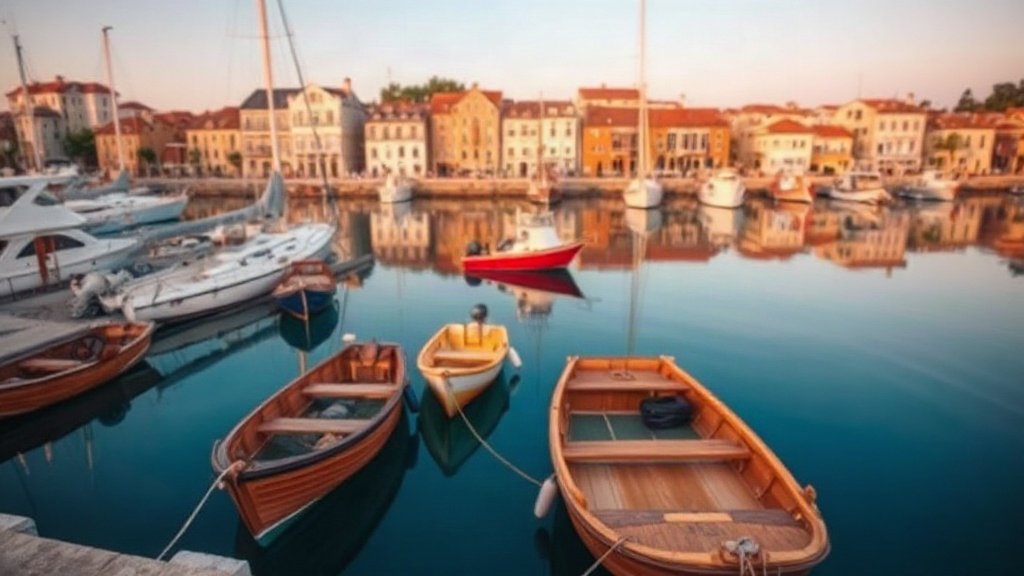
Illustration: AI-generated image
Anyone who spends a full year on the Croatian coast soon notices that life runs to a clear rhythm. Tourism shapes the local economy, and with it the way many people find work, plan their finances and even organise family life.
Understanding that calendar is one of the most useful things a newcomer, student or job seeker can do. Here is how the year typically unfolds.
Late winter and spring: the hiring window
Preparations for the summer season usually begin well before the first visitors arrive. Hotels, restaurants, cafés, rental agencies and boat operators tend to recruit in the months leading up to Easter and early summer, and many roles are filled before the warm weather really begins.
If you want a seasonal job, this is the time to be active. Applying early generally gives you more choice of employer, location and type of work.
Summer: the busiest months
From roughly June to September, coastal towns and islands run at full capacity. Hours can be long and days off scarce, but this is also when many seasonal workers earn the bulk of their annual income.
Typical seasonal roles include:
- hospitality work, such as waiting, bar work and kitchen support
- accommodation, including reception and housekeeping
- guiding, transfers and excursion services
- retail and market stalls
- maintenance, cleaning and seasonal construction
Autumn: the wind-down
As September turns to October, many businesses reduce their hours or close for the year. Some workers move on to other jobs, return to study or head home. The shoulder season can still be lively in larger cities and in places that attract visitors outside the summer months, such as Zagreb, Split, Dubrovnik and Istria.
Winter: a quieter pace
Smaller coastal towns can feel very quiet in winter. Many seasonal workers use this period to rest, take on other work, renovate or plan for the year ahead. For those living on the coast year-round, it is also when local life returns to its own tempo.
Practical tips for job seekers
- Check your paperwork early. Anyone from outside the European Union needs to understand the rules on work and residence permits before accepting an offer.
- Get the terms in writing. A clear agreement covering role, hours, pay and accommodation avoids misunderstandings later.
- Think about housing. Rental accommodation in popular coastal areas can be hard to find in summer, so ask whether housing is included.
- Learn some Croatian. Even basic phrases help with colleagues, suppliers and local residents.
- Plan for the off-season. Budgeting across the full year makes the quieter months easier to manage.
Why it matters
The seasonal pattern affects more than tourism workers. It influences property demand, local services, transport timetables and even what is open on a January afternoon. Knowing the rhythm helps you set realistic expectations, whether you are job hunting, investing or simply choosing where to live.