How to Make Licitars: Croatia's Traditional Honey Hearts
Learn about licitars, Croatia's beloved honey dough ornaments, their history as a symbol of love, and how to make them at home with simple ingredients and a little patience.
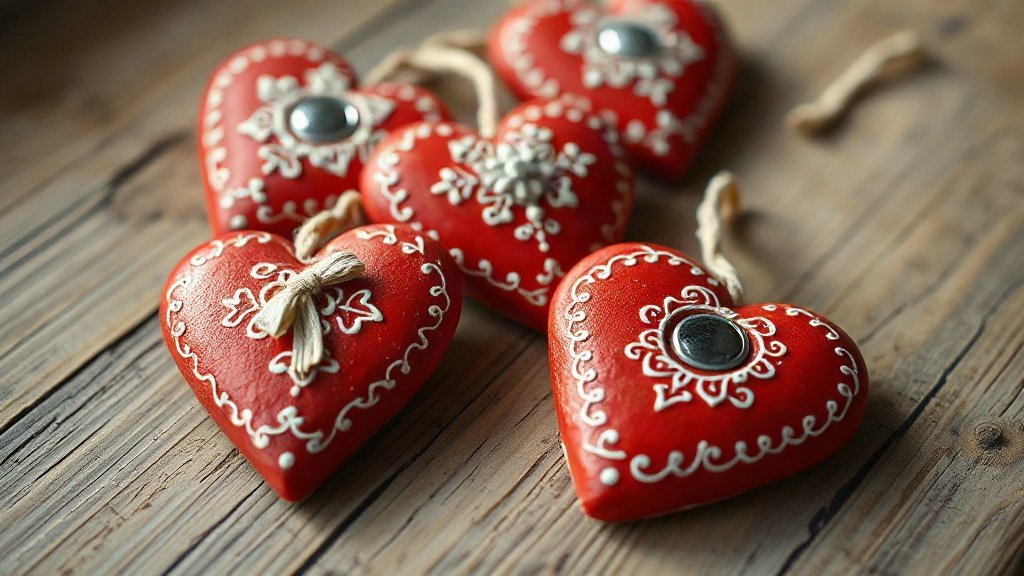
Illustration: AI-generated image
If you've visited a Croatian souvenir shop or market, you've likely seen rows of bright red, heart-shaped ornaments decorated with intricate white icing and a small mirror in the centre. These are licitars—a traditional honey dough craft from northern Croatia, particularly associated with Zagreb and the surrounding regions. More than just a sweet treat, licitars are a symbol of love, friendship and Croatian identity, and making them at home is a rewarding project that connects you to centuries of tradition.
A Sweet History
The craft of making licitars dates back to the Middle Ages, when honey was the main sweetener and gingerbread-like dough was shaped into decorative forms. Over time, licitar makers, known as medičari, perfected the art of creating intricate moulds and using a distinctive red glaze. The tradition became so important that in 2010, the gingerbread craft from Northern Croatia was inscribed on UNESCO's Representative List of the Intangible Cultural Heritage of Humanity.
Today, licitars are most commonly seen at fairs, especially around Valentine's Day and Christmas, and they are a popular souvenir from Zagreb. The heart shape is the most iconic, often given as a token of affection, but other shapes like horses, birds and small dolls are also made.
Making Licitars at Home
While professional licitar makers use carved wooden moulds, you can recreate the tradition at home with simple cookie cutters and a basic dough. The result may not be as perfect as the ones from a master craftsman, but the process is enjoyable and the result delicious (though licitars are often kept as decorations rather than eaten).
Ingredients:
- 500 g plain flour
- 200 g honey
- 100 g sugar
- 2 eggs
- 1 teaspoon baking powder
- 1 teaspoon ground cinnamon (optional)
- A pinch of ground cloves (optional)
Instructions:
- In a large bowl, mix the honey, sugar and eggs until well combined.
- Gradually add the flour, baking powder and spices, kneading until you have a smooth dough. If the dough is too sticky, add a little more flour.
- Wrap the dough in cling film and let it rest in the fridge for at least an hour.
- Preheat your oven to 180°C (160°C fan).
- Roll out the dough on a floured surface to about 5 mm thick. Use heart-shaped cookie cutters (or other shapes you like) to cut out the licitars.
- Place the shapes on a baking tray lined with parchment paper and bake for 10–12 minutes, until lightly golden. They should be firm but not browned.
- Let them cool completely on a wire rack.
Decorating Your Licitars
The traditional decoration is what makes licitars so recognisable. Once cooled, they are painted with a bright red food colouring (usually a glaze made from sugar and red dye) and then decorated with white royal icing. A small round mirror is often pressed into the centre of the heart, though you can skip this step if you prefer.
To make the red glaze, whisk together icing sugar with a little water and red food colouring until smooth, then brush it over the licitars. Let it dry completely. Then, pipe on decorations with white royal icing—simple dots, lines or lace-like patterns work well. If you have a small, lightweight mirror, attach it with a dab of icing.
Keeping the Tradition Alive
Making licitars at home is a wonderful way to connect with Croatian culture, whether you're living in Croatia or simply want to bring a piece of it into your kitchen. They make charming gifts, Christmas tree ornaments or just a sweet reminder of the country's rich heritage. So why not give it a try? The next time you see a licitar heart, you'll appreciate the skill and history behind it even more.