How to Save Water at Home in Croatia: Practical Tips for Dry Summers
From fixing drips to reusing greywater, simple habits can make a big difference during Croatia's hot, dry months and help keep bills lower.
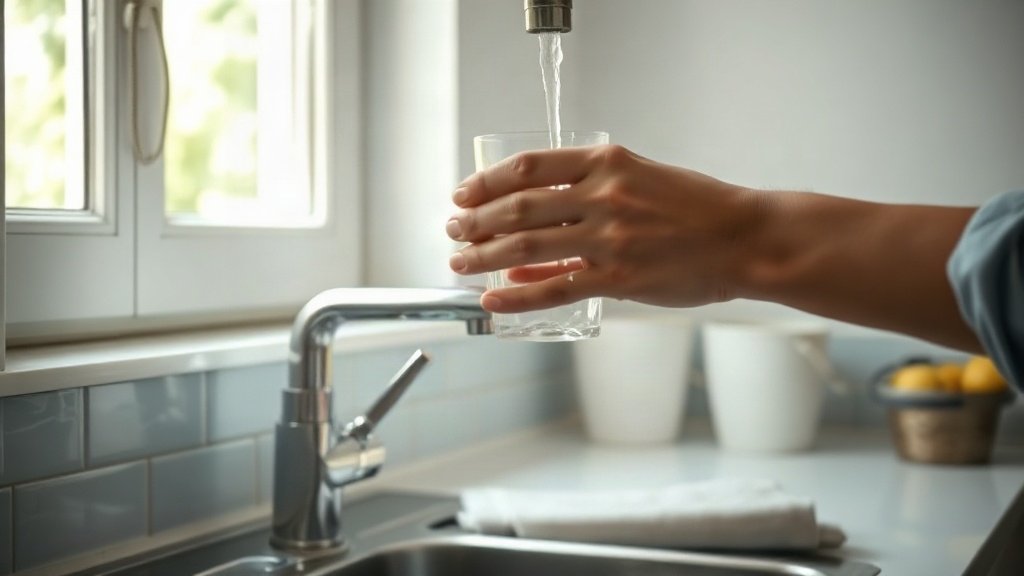
Illustration: AI-generated image
Long, hot summers and rocky terrain mean many parts of Croatia regularly face water scarcity. For residents, using less water isn't just about the monthly bill; it's about being a considerate neighbour in communities where every drop counts. The good news is that small, everyday changes can add up to significant savings without sacrificing comfort.
Why water matters in Croatia
Coastal areas, especially the islands, rely heavily on rainfall collected during winter and spring, or on water shipped in by tanker. During peak tourist season, demand soars, putting extra strain on local supplies. Inland regions may have more abundant sources, but hot summers still increase household use for gardens, pools and cooling down.
Adopting water-saving habits helps ease pressure on public systems and keeps your own costs steady, especially if you're on a metered connection. It's a simple way to live more sustainably while respecting the local environment.
Start with simple bathroom fixes
The bathroom typically accounts for the largest share of indoor water use. Check your taps and toilet for silent leaks; a constantly running toilet can waste hundreds of litres a day. A few drops of food colouring in the cistern can reveal a leak if colour appears in the bowl without flushing.
Install a water-saving shower head and aim for shorter showers. Turning off the tap while brushing your teeth or shaving is an effortless habit that saves several litres each time. If you have a bath, consider using it only occasionally and reuse the water for cleaning floors or flushing the toilet.
Rethink how you use the washing machine
Wait until you have a full load before running the washing machine, and choose the eco or quick wash setting when clothes are only lightly soiled. Most modern machines use far less water on these cycles. If you hang laundry to dry, as is common in Croatia, collect the drips in a basin and use that water for plants or cleaning.
Be clever in the kitchen
Wash fruits and vegetables in a bowl of water instead of under a running tap, then use that water for houseplants or the garden. When cooking pasta or boiling eggs, let the water cool and pour it onto outdoor plants; it's full of nutrients. Don't use running water to defrost food; plan ahead and thaw items in the fridge overnight.
If you have a dishwasher, run it only when full and skip the pre-rinse—modern machines are designed to handle food residue. If you wash dishes by hand, fill one basin with soapy water and another with rinse water rather than letting the tap run.
Save outdoors, especially in the garden
Water your garden early in the morning or late in the evening to reduce evaporation. Use a watering can or drip irrigation instead of a sprinkler, which can lose a lot of water to wind and heat. Choose native Mediterranean plants like lavender, rosemary, and sage, which thrive with less water once established.
Place a bucket in the shower to catch water while it warms up, and use that for potted plants. If you have a terrace or balcony, consider collecting rainwater in a small barrel during wetter months to use later.
Make it a family habit
Get everyone involved by turning water saving into a game, especially with children. Post a simple reminder near taps, and celebrate the small wins, like seeing a lower meter reading. Once these habits become routine, you'll barely notice the effort. Living in Croatia, where summers can be scorching and water precious, every saved litre is a step towards a more comfortable and responsible home.