Pinca: A Guide to Croatia's Traditional Easter Sweet Bread
Discover pinca, the sweet, citrus-scented bread at the heart of Croatian Easter celebrations.
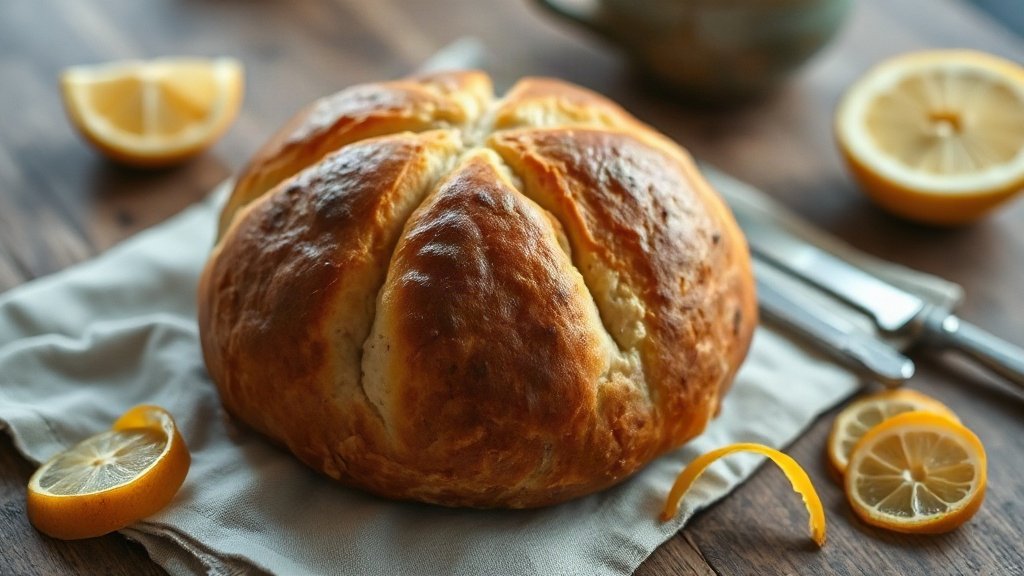
Illustration: AI-generated image
As Easter approaches, bakeries across Croatia’s coastal regions fill with the scent of pinca, a golden, dome-shaped sweet bread that has been a centrepiece of the holiday for centuries. Also known as sirnica in some parts of Dalmatia, this rich, brioche-like loaf is a beloved symbol of spring and renewal.
Pinca is made from a yeasted dough enriched with eggs, butter, and sugar, then flavoured with lemon and orange zest, raisins, and often a splash of rum or rose water. The dough is shaped into a round loaf, and before baking, a cross is traditionally cut into the top, a nod to the bread’s religious significance. Some bakers also tuck a dyed egg into the centre before baking, a custom that varies from village to village.
A taste of the Mediterranean
The origins of pinca are tied to the Venetian influence along the Adriatic coast. Similar sweet breads appear across the northern Mediterranean, from Italian panettone to Greek tsoureki, but pinca has a character all its own: denser and less airy than panettone, with a pronounced citrus aroma and a tender crumb. In Istria and the Kvarner islands, recipes often include local honey or a touch of grappa, while Dalmatian versions may swap rum for maraschino, the cherry liqueur produced in Zadar.
How to enjoy pinca
Pinca is traditionally broken and shared among family members on Easter morning, often alongside ham, boiled eggs, and fresh spring onions. It is also enjoyed as a sweet breakfast or afternoon snack, sliced thickly and spread with butter or honey. Because the bread dries out quickly, it is best eaten within a day or two of baking; if it does go slightly stale, it makes excellent French toast or can be revived by a quick toast.
Visitors to Croatia in the weeks before Easter will find pinca in most bakeries and food markets, especially in coastal towns. For the best experience, seek out a version made with real butter and plenty of citrus zest, and consider pairing it with a glass of prošek, the traditional Dalmatian dessert wine.
While recipes vary by family, the essential character remains: a soft, fragrant bread that marks the end of Lent and the beginning of spring. Its preparation is often a multi-generational affair, with grandmothers passing down closely guarded techniques for achieving the perfect rise and the signature shiny, golden crust.