Pljukanci: A Guide to Istria's Hand-Rolled Pasta
Discover pljukanci, the rustic hand-rolled pasta from Istria, traditionally served with rich meat sauces or freshly shaved truffles.
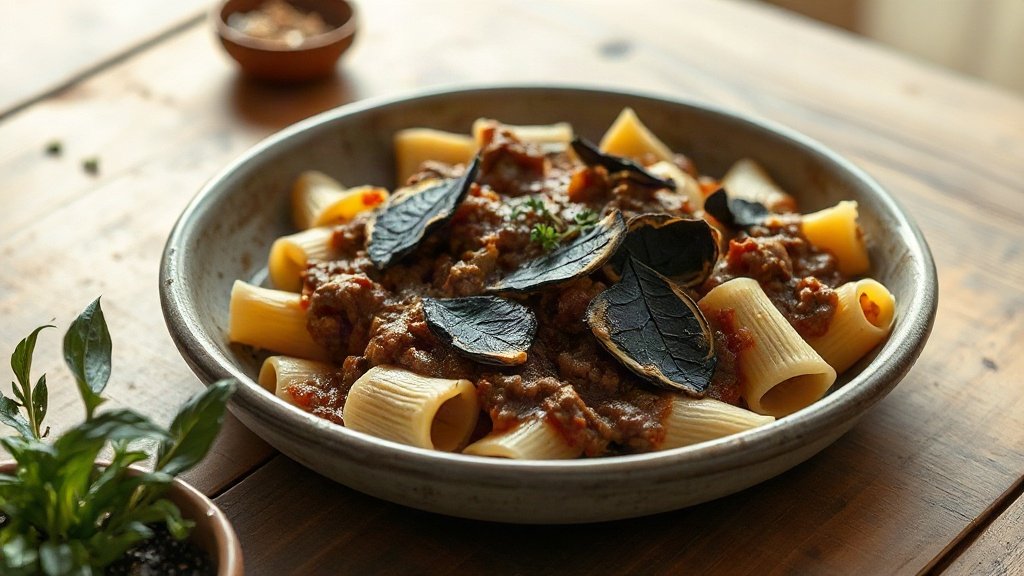
Illustration: AI-generated image
When you sit down to eat in Istria, the green, truffle-rich peninsula in Croatia's northwest, you are likely to encounter a pasta that looks a little like a misshapen, elongated bean. That is pljukanci (plyoo-KAHN-tsee), a rustic, hand-rolled pasta that has been made in local kitchens for centuries. Thicker than spaghetti but shorter and irregular, each piece is rolled by hand between the palms, giving it a slightly tapered, spindle-like shape. It is the sort of pasta that clings beautifully to rich, slow-cooked sauces, and it has become a symbol of Istrian home cooking.
What Makes Pljukanci Special
Pljukanci are made from a simple dough of flour, water, and sometimes a little egg or olive oil. The dough is rolled into thin ropes, then cut into short lengths and rolled again with the palm of the hand to create a gentle curve and a rough surface. This handmade texture is key: the tiny ridges and imperfections catch sauce in a way that smooth, machine-made pasta cannot. The name itself is thought to derive from the Italian word bioccolo, meaning a lock of wool, which reflects the pasta's soft, irregular shape.
Unlike many Italian pastas that are dried and stored, pljukanci are traditionally made fresh and cooked the same day. This means that when you eat them in Istria, you are tasting something that is very close to what might have been served a hundred years ago. The dish is a reminder that Istrian cuisine has deep roots in peasant cooking, where simplicity and local ingredients reign.
How Pljukanci Are Served
The classic partner for pljukanci is a rich meat sauce, often a slow-cooked ragù made from beef, pork, or game such as venison or wild boar. In autumn, when Istria's forests are full of truffles, pljukanci are frequently dressed simply with butter, olive oil, and a generous shaving of fresh white or black truffles. This combination – earthy truffles with the chewy, slightly dense pasta – is one of the region's most celebrated dishes.
Seafood versions exist along the coast, where pljukanci might be tossed with scampi, clams, or a light tomato and white wine sauce, but the heartland of the dish is inland Istria, where meat and truffles dominate. A vegetarian option, popular in spring, pairs the pasta with wild asparagus or a simple sauce of garden vegetables.
Where to Find Pljukanci
Pljukanci appear on menus throughout Istria, from humble family-run konobas to upscale restaurants. They are especially prevalent in the truffle-rich areas around Motovun, Buzet, and Livade, where the dish is often showcased as a vehicle for the prized fungi. While no two cooks make pljukanci exactly alike, the best examples share a certain rustic charm: uneven shapes, a satisfying bite, and a sauce that tastes of the surrounding landscape.
If you are keen to try your hand at making pljukanci at home, the process is straightforward, if a little time-consuming. The dough is forgiving, and the rolling technique comes quickly with practice. Many Istrian families still gather around the kitchen table to make a large batch together, turning the task into a social occasion. A traditional wooden board, called a tajer, is often used for rolling, though any clean work surface will do.
Whether you encounter pljukanci in a white-tablecloth restaurant or a rural agritourism, the dish offers a direct line to Istria's culinary soul. It is humble food, made with patience and meant to be shared, and it deserves a place on any food lover's list when visiting Croatia's largest peninsula.