Proja: A Guide to Croatia's Traditional Cornbread
Simple, golden and satisfying, proja is the humble cornbread found on tables across Croatia. Here's what makes it special and how to enjoy it like a local.
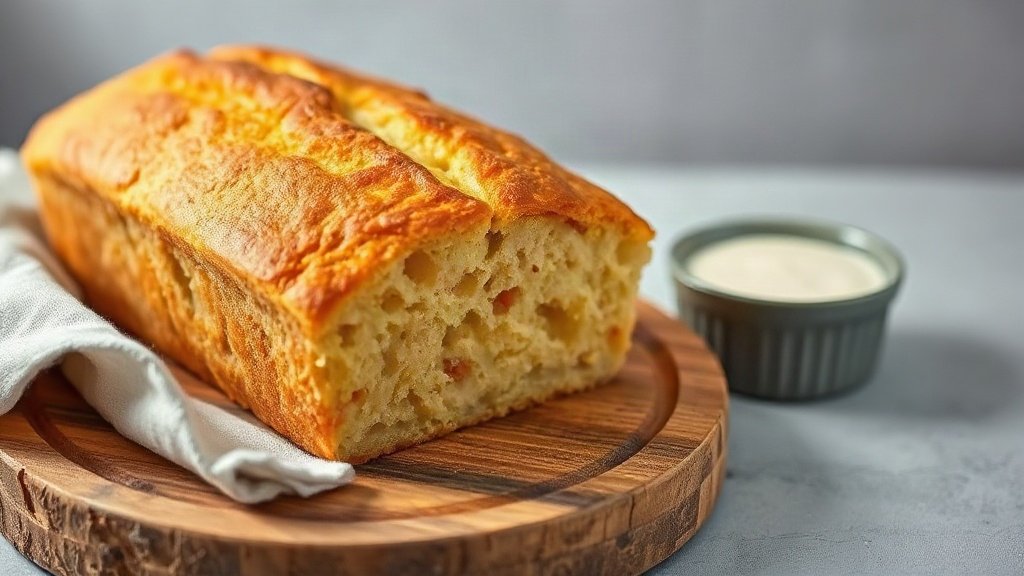
Illustration: AI-generated image
In Croatian kitchens, few things are as comforting as a warm slice of proja. This golden cornbread, humble in appearance but rich in flavour, has been a staple for generations. Whether served alongside a bowl of sour milk or as a base for savoury toppings, proja embodies the simple, honest cooking of the Croatian countryside.
What is proja?
Proja is a traditional cornbread made primarily from cornmeal, which gives it a distinctive yellow colour and crumbly texture. It is particularly popular in continental Croatia, Slavonia, and parts of Bosnia and Herzegovina, where corn has long been a key crop. Unlike many Western cornbreads, proja is usually not sweet; instead, it has a mildly savoury, earthy taste that pairs beautifully with dairy and cured meats.
The basic recipe is straightforward: cornmeal is mixed with wheat flour, eggs, oil or lard, and a leavening agent such as baking powder. Milk, yoghurt, or even sparkling water may be added to create a lighter crumb. The batter is poured into a greased baking tin and baked until the top turns a deep golden brown.
Regional variations
While proja is enjoyed nationwide, regional twists add character. In Slavonia, cooks often enrich the batter with fresh cheese, spinach, or crispy pork cracklings, turning it into a hearty dish that can stand alone. In Lika and Gorski Kotar, proja is sometimes made with buttermilk and served with kajmak, a creamy dairy spread. Along the coast, a version called palenta or pura is cooked as a soft porridge rather than baked, though the cornmeal base remains the same.
One beloved variation is proja sa sirom (proja with cheese), where crumbled white cheese such as feta or local škripavac is folded into the batter. The cheese melts during baking, creating pockets of savoury gooeyness. Another is proja sa čvarcima, which includes pork cracklings for a smoky, salty crunch.
How to eat proja
Proja is incredibly versatile. At breakfast, it is often served with yoghurt, sour cream, or a glass of cold milk. As a side dish, it accompanies hearty stews like čobanac or grah (bean soup), soaking up the rich sauces. During colder months, proja is a common companion to kiselo mlijeko (soured milk) or a bowl of warm varivo (vegetable stew).
For a simple snack, slice proja while still warm and spread with butter, honey, or ajvar. Leftover proja can be toasted and topped with ham and cheese, or crumbled into soups as a thickener. Its crumbly nature makes it perfect for sopping up juices, so don't be afraid to use your hands.
Making proja at home
While many bakeries and konobas sell proja, making it at home is easy and rewarding. The most important ingredient is good-quality cornmeal — look for a medium or fine grind rather than coarse polenta. A typical ratio is one part cornmeal to one part wheat flour, though some prefer a higher cornmeal content for a more pronounced corn flavour.
To make a basic proja, whisk together the dry ingredients, then stir in beaten eggs, oil, and enough milk or yoghurt to form a thick batter. Pour into a greased dish, sprinkle with a little extra cornmeal for a crunchy top, and bake at 180°C for about 30–40 minutes until golden and set. For added richness, stir in crumbled cheese or a spoonful of lard.
Proja is best enjoyed warm from the oven, but it keeps well for a couple of days wrapped in a clean cloth. Reheat slices in a dry pan or oven to restore their crisp edges.