Rožata: A Guide to Dubrovnik's Beloved Caramel Custard
Discover the creamy, rose-scented custard that has sweetened Dubrovnik tables for centuries.
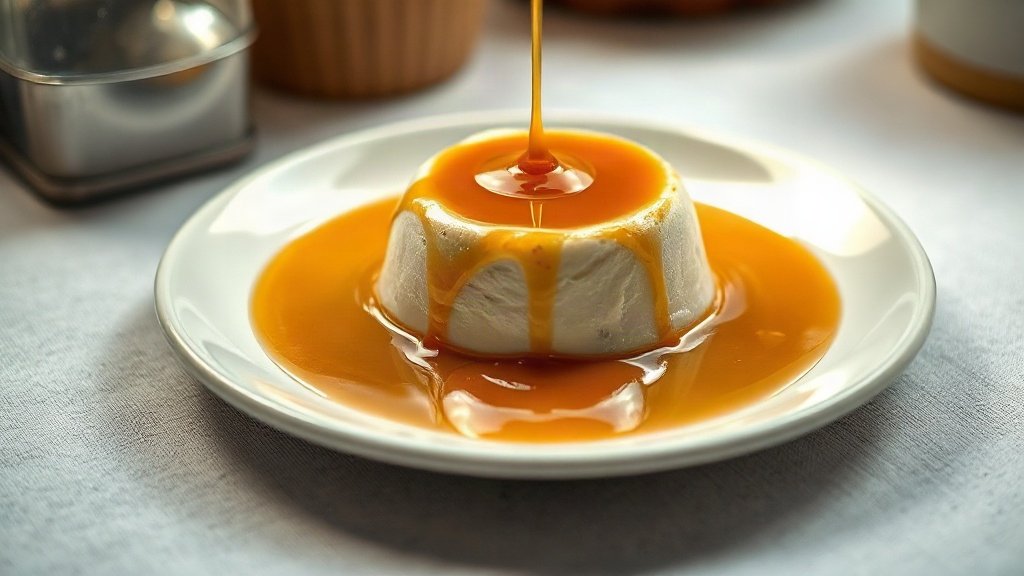
Illustration: AI-generated image
If you have ever lingered over dessert in a Dubrovnik restaurant, chances are you have met rožata. This silky, caramel-topped custard is the city's signature sweet, a local take on crème caramel that has been made in Dalmatian kitchens for generations. With its gentle rose scent and citrus lift, rožata turns a simple egg-and-milk pudding into something distinctly Mediterranean.
What is rožata?
Rožata (pronounced ro-ZHA-ta) is a baked custard dessert closely related to flan or crème caramel. The base is a mixture of eggs, milk, and sugar, often enriched with a splash of rose liqueur – called rožulin in Dubrovnik – and grated lemon zest. The custard is baked in a caramel-lined mould, then inverted onto a plate so the amber caramel pools around the creamy dome. The result is a dessert that is both comforting and elegant, with a delicate floral note that sets it apart from plain caramel custard.
A taste of Dubrovnik history
The dessert's roots reflect Dubrovnik's long history as a maritime republic. For centuries, the city traded with Venice, the Ottoman Empire, and the wider Mediterranean, and rožata likely evolved from similar custards found across southern Europe. The use of rose liqueur points to influences from Italy and the eastern Adriatic, where rose-flavoured sweets were once fashionable. Today, rožata remains a fixture on family tables for Sunday lunches, feast days, and weddings, and it appears on menus throughout the Dubrovnik region and beyond.
How rožata is made
The process is straightforward but requires patience. Sugar is melted until it turns deep amber, then poured into a mould to form a hard caramel base. Meanwhile, eggs are whisked with milk, sugar, rose liqueur, and lemon zest. The custard is strained, poured over the caramel, and baked in a water bath until just set but still trembling. After cooling, the rožata is chilled, then unmoulded. The caramel dissolves slightly into a sauce that coats each slice. Some home cooks add vanilla or a touch of rum, but purists insist on rose liqueur as the essential flavouring.
Where to enjoy rožata
You will find rožata on dessert menus across Dubrovnik, from old-town konobas to seaside restaurants. It is also a common feature at family gatherings and traditional feasts. If you are visiting, ask for it by name – locals will appreciate the effort. For the full experience, pair rožata with a small glass of prošek, a sweet dessert wine from Dalmatia, or a strong espresso.
Making rožata at home
Rožata is simple enough for home cooks. The key is a gentle bake and plenty of chilling time. Use a ratio of roughly one egg per 100 ml of milk, sweeten to taste, and add a tablespoon of rose liqueur per litre of custard. If rose liqueur is unavailable, a drop of rose water or a splash of vanilla extract can work, though the character will differ. Bake at 150°C until the centre is set but wobbly, then refrigerate for at least four hours before unmoulding. The caramel will melt into a glossy sauce as it rests.
Whether you discover it in a centuries-old stone dining room or make it in your own kitchen, rožata offers a sweet taste of Dubrovnik's living culinary heritage.