The Gajeta: A Guide to Croatia's Traditional Wooden Sailing Boat
Discover the gajeta, a graceful wooden boat that has sailed the Croatian Adriatic for centuries. Learn about its history, design, and where you can still see these vessels today.
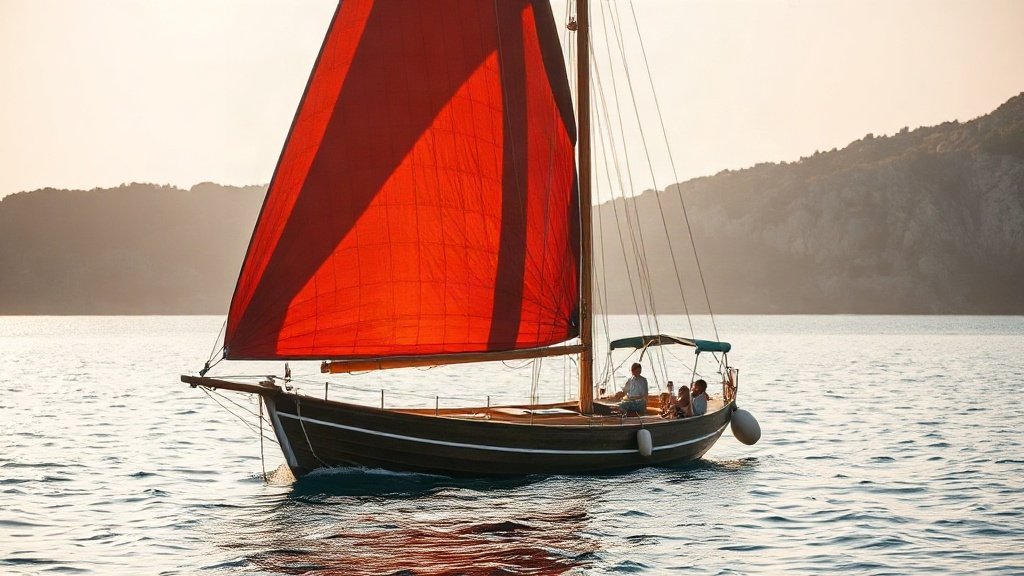
Illustration: AI-generated image
The gajeta is more than just a boat — it is a floating piece of Croatian maritime heritage. For centuries, these wooden sailing vessels were the workhorses of the Adriatic, used by fishermen, traders, and families along the Dalmatian coast and islands. Today, they are celebrated as symbols of a seafaring tradition that refuses to fade.
What is a gajeta?
A gajeta is a traditional wooden sailing boat, typically between 5 and 9 metres long, with a distinctive high bow and stern. Originally rigged with a lateen (triangular) sail, it was designed for the specific conditions of the Adriatic: strong winds, shallow harbours, and a rugged coastline. The hull is wide and stable, making it ideal for carrying cargo or nets, while the pointed ends help it cut through choppy seas.
History and use
The gajeta has roots that stretch back hundreds of years, with variations found along the eastern Adriatic. On islands like Korčula and the Pelješac peninsula, these boats were essential for daily life: fishing, transporting goods like wine and olive oil, and connecting isolated communities to the mainland. Before modern engines, the gajeta was often the only link between a village and the outside world.
Design and construction
Traditional gajetas are built using time-honoured methods, with wooden planks fastened to a strong keel. The wood — usually oak for the frame and pine or larch for the planking — is carefully selected and shaped by hand. Builders would use local knowledge passed down through generations, often without formal plans. The result is a boat that is both beautiful and perfectly adapted to its environment. Many gajetas are adorned with painted decorations, particularly around the bow, reflecting the pride of their owners.
Cultural significance today
While motorised boats have largely replaced the gajeta for practical purposes, the tradition lives on through regattas, festivals, and dedicated enthusiasts. Across Croatia, you can find gajeta races that draw sailors from different islands, keeping the competitive spirit alive. Maritime museums in coastal towns often display restored gajetas, and some are still used for tourist excursions, offering visitors a chance to experience the Adriatic the old-fashioned way.
Where to see a gajeta
If you want to see a gajeta up close, head to any major maritime museum along the coast, such as those in Dubrovnik, Split, or Rijeka. Many harbour fronts have at least one beautifully maintained gajeta moored among the modern yachts. During the summer months, look out for local regattas or sailing events — these are often advertised in tourist offices and provide a lively glimpse of this living heritage.
Experiencing the gajeta
For the full experience, consider a short sailing trip on a gajeta. Some local operators in island towns offer guided tours, allowing you to feel the wind in the sail and hear the creak of the wooden hull. It is a reminder of a slower, more connected way of life on the Adriatic — and a tradition that continues to inspire.