The Moreška Sword Dance: Korčula's Medieval Spectacle
A dramatic blend of swordplay, music and theatre, the Moreška is a living tradition on the island of Korčula that has captivated audiences for centuries.
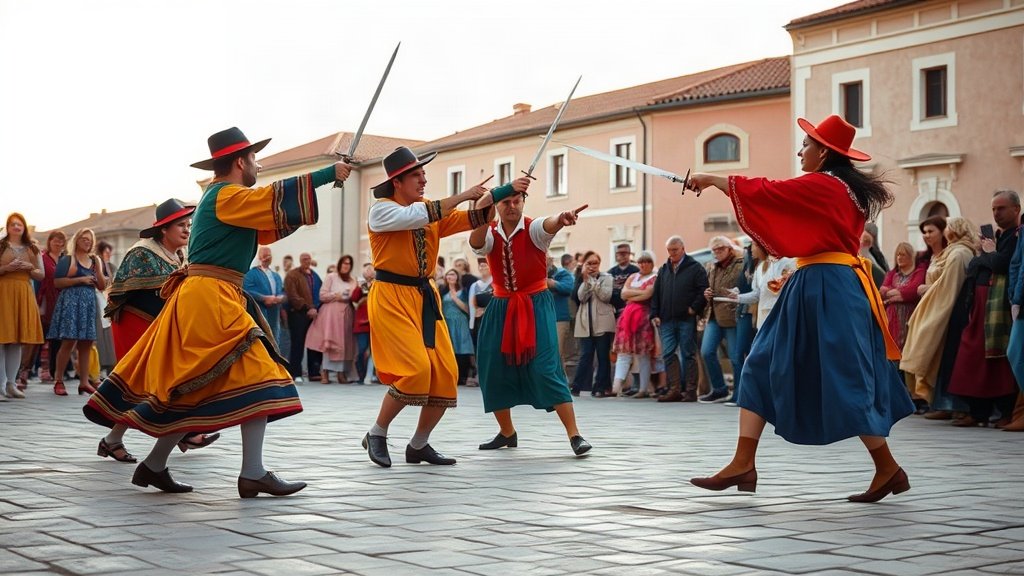
Illustration: AI-generated image
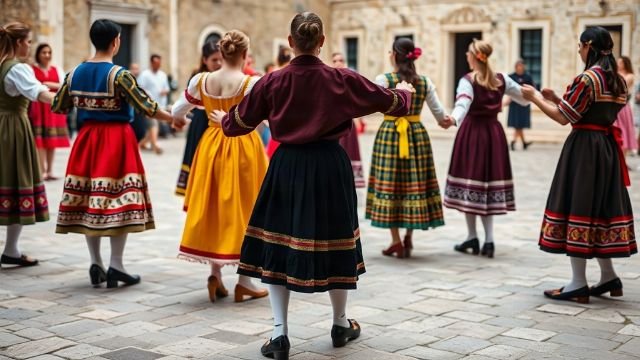
On the island of Korčula, a dramatic sword dance known as the Moreška has been performed for centuries, telling a tale of love, rivalry and redemption through clashing steel and rhythmic footwork. Far more than a folk performance, it is a carefully choreographed spectacle that blends theatre, music and athletic skill, drawing visitors from around the world to witness a tradition that remains deeply woven into local identity.
The Story Behind the Dance
The Moreška's narrative centres on a princess who is captured by a rival king, and the brave knight who fights to free her. The story is told not through words but through movement: two groups of dancers, each led by a king, engage in a series of choreographed battles with real swords. As the dance progresses, the tension builds, and the fate of the princess hangs in the balance. The performance ends with a message of reconciliation and unity, as the two sides lay down their weapons in peace. The origins of the Moreška are uncertain, but similar sword dances exist across the Mediterranean, suggesting a shared cultural heritage.
Swords, Music and Costume
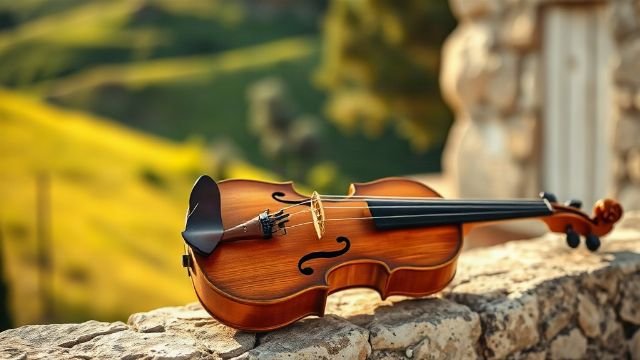
The dancers wield heavy, blunt swords that clang loudly with each clash, adding a visceral intensity to the performance. The choreography is precise, with each step and strike timed to the driving rhythm of traditional instruments, including the mijeh (a type of bagpipe) and the bubanj (a double-headed drum). The mijeh produces a piercing, sustained note that drives the dancers forward, while the bubanj sets a relentless beat. The music changes tempo to match the drama, speeding up during battles and slowing for moments of tension. The performers wear ornate, colourfully embroidered costumes that reflect the historical setting of the legend, making the Moreška a feast for the senses.
Where and When to See It
The Moreška is traditionally performed in Korčula Town, often in an open-air setting that adds to the atmosphere. While it is most commonly associated with the summer months, performances have also been staged for special occasions throughout the year. Performances typically take place in the evening, when the medieval stone surroundings of Korčula's old town provide a fitting backdrop. Visitors should check local listings upon arrival, and be sure to arrive early to secure a good viewing spot, as the performances draw large crowds.
A Living Link to the Past
What makes the Moreška truly special is its continuity. Unlike many historical re-enactments, it is not a reconstruction but a living tradition passed down through generations. Young people on Korčula still learn the dance, ensuring that this unique blend of martial skill, storytelling and community pride endures. In a world of rapidly changing entertainment, the Moreška stands as a testament to the power of tradition. Whether you are a history enthusiast, a lover of folk culture, or simply curious, this sword dance is an unforgettable Croatian experience.