The Tiny Hole in Your Fuel Cap That Can Prevent Costly Repairs
A small ventilation hole in your fuel cap plays a crucial role in regulating tank pressure, and a blockage can lead to engine issues and costly damage.
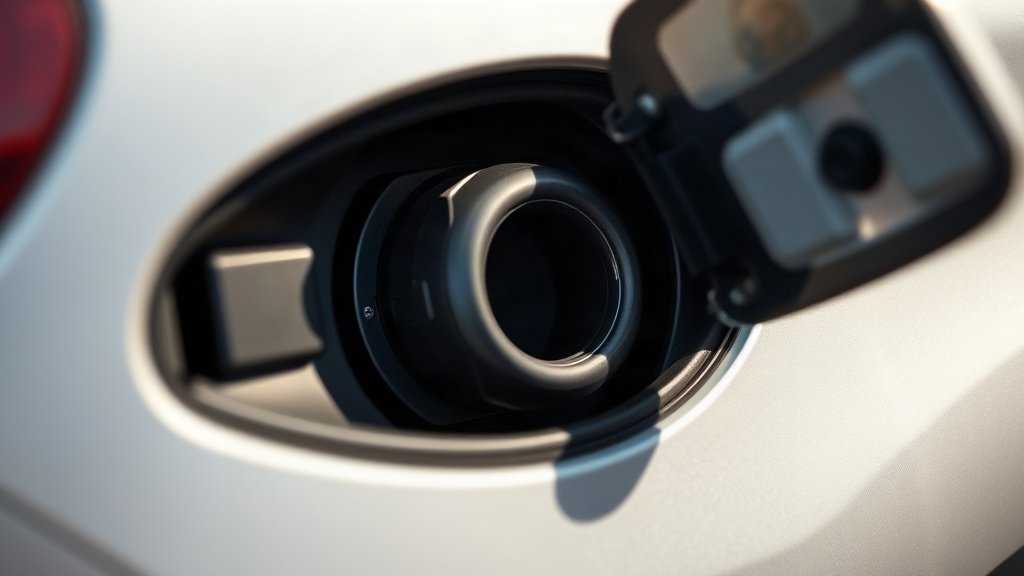
Illustration: AI-generated image
Next time you fill up your car, take a closer look at the fuel cap. That tiny hole you might have never noticed actually plays a really important role in keeping your vehicle running smoothly. When it gets blocked, you could be in for some costly repairs.
Why the little hole matters
As your engine consumes fuel, the space inside the tank needs to be filled with air. The small ventilation hole allows air to enter, preventing a vacuum from forming. If that vacuum builds up, the fuel pump has to work harder to draw petrol, which can lead to irregular fuel delivery and engine performance issues.
Temperature changes also come into play. Fuel expands when it warms up, creating vapours that need somewhere to go. Proper ventilation lets those vapours escape safely, maintaining the right pressure balance inside the tank. Without it, the tank could potentially become deformed.
The EVAP system connection
In modern cars, the fuel tank ventilation is part of a more complex system known as the Evaporative Emission Control System, or EVAP. Instead of letting raw fuel vapours escape into the atmosphere, this system captures them in a canister filled with activated carbon. Later, those vapours are routed back to the engine and burned during normal combustion.
This clever setup reduces harmful emissions and also prevents that strong petrol smell you sometimes notice around older vehicles. The valves in the EVAP system open under specific conditions to manage vapour flow precisely, helping your car meet environmental regulations.
Signs of a blocked ventilation hole
Over time, dirt and debris can accumulate around the filler opening and block the small hole. When that happens, the tank can't breathe properly, leading to a range of symptoms. You might hear a hissing sound when you open the fuel cap – that's air rushing in to equalise the pressure. Other warning signs include sudden loss of engine power, especially when driving uphill, and inaccurate readings on your fuel gauge.
In severe cases, a blocked vent can cause the fuel tank to deform. Prolonged problems may weaken the tank's structure, potentially leading to cracks or fuel leaks. The electric fuel pump can also suffer from increased resistance, and replacing it is far more expensive than simply cleaning or changing a fuel cap.
How to keep it in good shape
Checking the ventilation system should be part of your regular car maintenance routine. Keep the area around the fuel filler neck clean to prevent dirt from getting into the vent channels. If you notice unusual fuel consumption, engine hesitation, or a persistent smell of petrol, it's worth having the system inspected by a professional.
Depending on the cause, the fix might be as simple as replacing the fuel cap or cleaning the vent. Catching the problem early can save you from much bigger repair bills down the road.