Wild Asparagus in Croatia: A Guide to Foraging and Cooking the Spring Delicacy
Discover the beloved spring tradition of wild asparagus in Croatia, from where to find it to how it's used in classic dishes like fritaja and pasta.
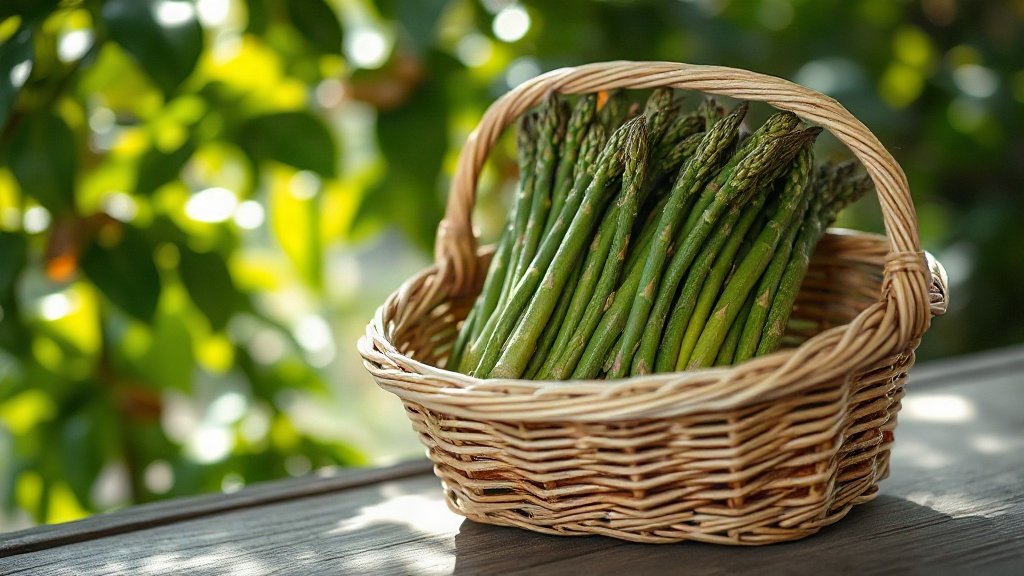
Illustration: AI-generated image
As winter fades along Croatia's Adriatic coast and hillsides, a quiet ritual begins. Foragers head out with knives and baskets, scanning the undergrowth for the season's most treasured wild edible: wild asparagus, known locally as šparoga or šparuga. Unlike the thick cultivated spears found in supermarkets, these are thin, often purple-tinged shoots with an intense, slightly bitter flavour that has been prized in Croatian cooking for centuries.
What is wild asparagus?
Wild asparagus (Asparagus acutifolius) grows throughout the Mediterranean. In Croatia, it is especially abundant in Istria, the Kvarner region, and Dalmatia, where it thrives in rocky, sun-exposed terrain, along dry stone walls, and at the edges of forests and olive groves. The plant is a perennial thorny bush; the edible part is the young shoot that emerges from the ground in early spring. As the season progresses, the shoots grow rapidly and become woody, so the foraging window is short—typically from late February to May, depending on the weather.
How to identify and pick wild asparagus
Identifying wild asparagus takes practice. The shoots are slender, usually 15–30 cm tall, with tiny scale-like leaves and a slightly zig-zag stem. Many are green, but some have a purplish hue, especially at the tip. They often grow in clusters and can be mistaken for other plants, so beginners should go with an experienced forager or consult a reliable field guide. When picking, use a sharp knife or snap the shoot at its base, leaving the root intact. Only take what you will use, and be mindful that some areas may have restrictions on foraging.
How wild asparagus is used in Croatian cuisine
In Croatia, wild asparagus is a springtime staple, celebrated for its bold, grassy flavour. The most iconic preparation is fritaja—a creamy scrambled egg dish similar to an omelette, often made with just asparagus, eggs, and a little olive oil. It appears on family tables and in konobas across Istria and Dalmatia from late March onwards. The shoots are also used in risottos, pasta sauces, soups, and as a side dish simply sautéed with garlic and olive oil. Because of its intensity, a little goes a long way; the asparagus is usually blanched or quickly sautéed to soften its bitterness.
A simple recipe for wild asparagus fritaja
For two servings, wash and trim a generous handful of wild asparagus (about 200 g), cutting off any tough ends. Bring a pot of salted water to a boil and blanch the asparagus for 2–3 minutes, then drain and roughly chop. In a bowl, whisk five or six eggs with a pinch of salt and pepper. Heat a tablespoon of olive oil in a non-stick pan over medium heat, add the asparagus and sauté for a minute. Pour in the eggs and cook gently, stirring occasionally, until just set but still soft. Serve immediately with crusty bread and a glass of local white wine.
Where to find wild asparagus
While you can sometimes buy wild asparagus at farmers' markets in Istria and Dalmatia during the season, the true experience is foraging for it yourself. Many agritourism farms offer guided foraging walks, and local tourism boards can point you to areas where it grows. If you're visiting in spring, keep an eye out for dishes featuring šparoga on menus, or ask at a green market. Even if you don't pick your own, tasting this fleeting delicacy is a delicious way to connect with Croatia's food culture.
Whether foraged on a sunny hillside or cooked into a creamy fritaja, wild asparagus captures the essence of the Croatian spring—fresh, vibrant, and deeply tied to the land.