A Guide to Staying in a Croatian Lighthouse: Unique Adriatic Accommodation
Croatia's historic lighthouses offer a unique stay: from island solitude to mainland comfort, here's what to expect and how to book.
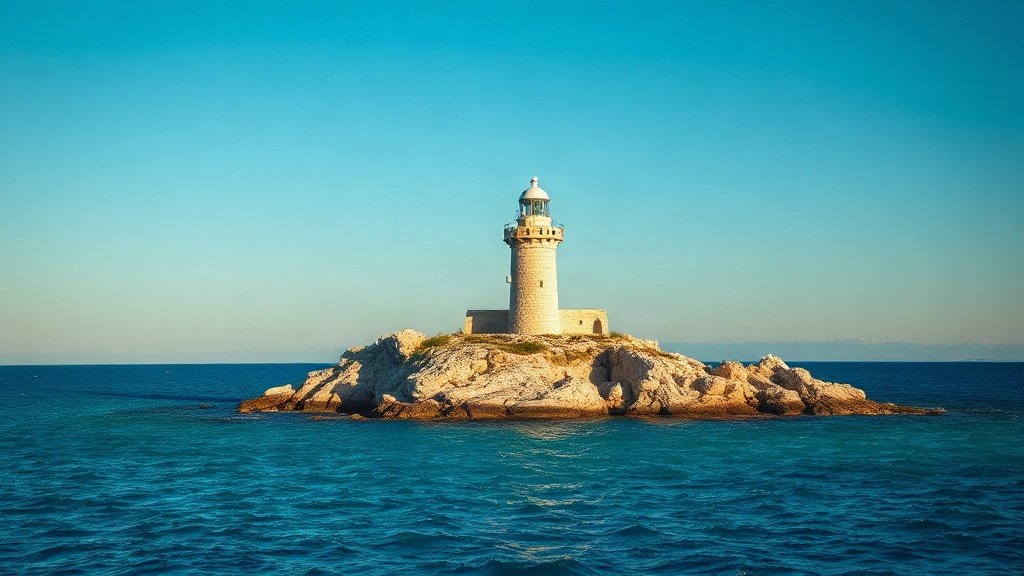
Illustration: AI-generated image
For travellers seeking something beyond the usual hotel or apartment, Croatia's lighthouses offer a truly memorable stay. These weathered stone towers, once vital for maritime safety, have been converted into distinctive accommodation that combines history, isolation and breathtaking coastal scenery.
A Unique Heritage Stay
Many of Croatia's lighthouses date back to the 19th century, when the Austro-Hungarian Empire built a network along the Adriatic coast. Today, a number of them welcome guests, preserving their original character while providing comfort. The experience is unlike any other: falling asleep to the sound of waves, waking to panoramic sea views, and having a slice of maritime history all to yourself.
Where to Find Them
Lighthouses are scattered along the entire Croatian coast and islands, each with its own charm. Savudrija, near Umag, is the oldest lighthouse in Croatia, built in 1818. Its sturdy stone structure stands in a quiet coastal setting, easily reached by car. Veli Rat on Dugi Otok boasts one of the tallest lighthouses in the Adriatic, with a distinctive yellow tower set amid pine forests. For the adventurous, Palagruža sits on a remote island in the middle of the Adriatic, reachable only by boat and offering complete solitude. Porer, a tiny islet off the Istrian coast, is accessible only by boat and provides a castaway experience. Struga on Lastovo, one of Croatia's most remote islands, offers a lighthouse on a dramatic cliff edge.
What to Expect
Facilities vary but are generally simple yet comfortable. Most lighthouses have been converted to offer self-catering accommodation, with small kitchens, bedrooms and living areas. On remote islands, electricity may come from solar panels or generators, and water supply can be limited, so guests should be prepared for a more rustic experience. Some lighthouses are staffed by a keeper who lives nearby and can assist with local information, while others are fully self-contained.
Practical Tips
Booking well in advance is essential, especially for the summer months, as these unique properties are in high demand. Access details vary: some lighthouses are reachable by car, while others require a boat transfer, often arranged through the booking agency or local providers. Pack accordingly for remote stays, including essentials like food, drinking water and any personal items. Respect the environment and the historical significance of these beacons, many of which are protected heritage sites.
Staying in a Croatian lighthouse is more than just accommodation – it is an opportunity to step back in time and experience the Adriatic from a perspective few travellers ever see.