A Practical Guide to Travelling by Bus in Croatia
Buses are the backbone of Croatia's public transport, linking cities, towns and islands. Here's how to make the most of the network, from buying tickets to planning scenic routes.
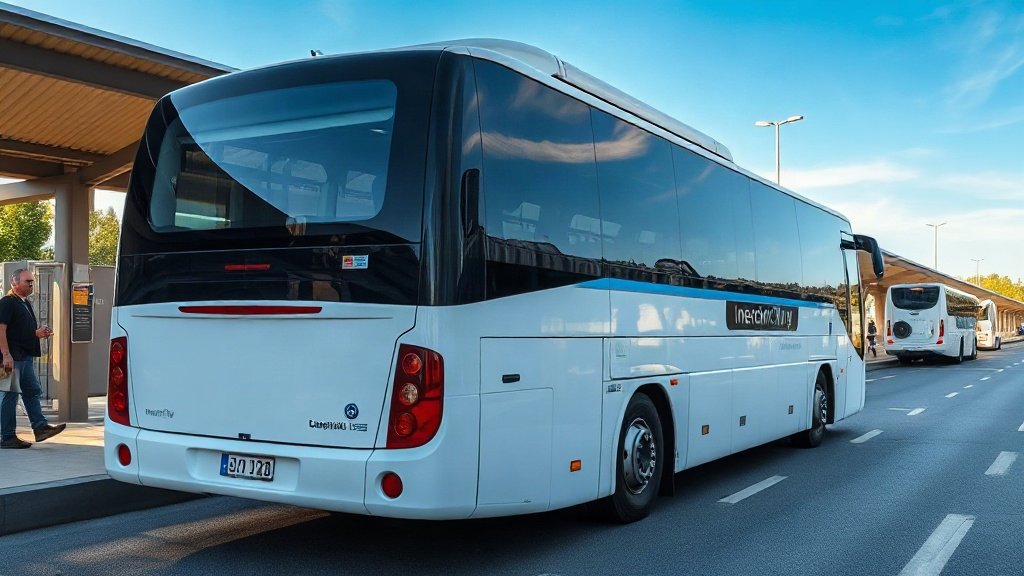
Illustration: AI-generated image
For travellers exploring Croatia beyond the major hubs, the country's extensive bus network is often the most practical and reliable way to get around. Buses reach towns and villages that trains don't serve, and they connect seamlessly with ferry ports for island hopping.
Planning Your Journey
Most intercity routes are operated by a handful of companies, but timetables and ticketing are generally integrated. You can check schedules online through national and regional bus station websites, or use popular aggregator platforms. During summer and public holidays, it's wise to book seats a few days in advance, especially on coastal routes. Many stations have left-luggage offices and information desks.
Buying Tickets
Tickets can be purchased at station kiosks, online, or sometimes directly from the driver on rural routes. For long-distance or international services, advance purchase is strongly recommended. Online tickets usually include a seat reservation, but it's prudent to keep a printed or digital copy. Some larger stations also have self-service machines. Note that if you are travelling to an island, the bus ticket may not include the ferry crossing; you might need to buy a separate ferry ticket, though combined tickets are sometimes available.
At the Bus Station
Main bus stations in larger cities are centrally located and well signposted. Arrive at least 15 minutes before departure. You will usually need to show your ticket before boarding, and there may be a small fee for luggage stored in the hold—often around 7 to 10 kuna, paid in cash to the driver or at a kiosk. Keep your ticket with you for the entire journey. Departure announcements are often made in Croatian and English, but it's good practice to confirm the platform number on the electronic boards.
On Board
Modern coaches are comfortable, with air conditioning and sometimes free Wi-Fi. Longer journeys may include a short stop at a rest area. Smoking and eating are generally prohibited, and seatbelts must be worn where fitted. Toilets on board are not always available, so plan ahead, especially on rural routes. Luggage allowance typically includes one larger bag in the hold and one small bag on board, but oversize items like bicycles may require an additional fee and advance notice.
Tips for a Smooth Trip
Popular routes along the coast can fill up quickly in July and August. If your schedule is flexible, consider travelling early morning or late evening. For shorter hops, local buses are cheaper and offer a glimpse of everyday life—just be aware that they may stop more frequently. Always double-check the departure platform, as it can change at short notice.
With a little planning, travelling by bus in Croatia is an affordable, scenic and straightforward way to see the country.