Croatia's Green Markets: A Practical Guide to Buying Fresh Local Produce
From seasonal fruit and vegetables to artisan cheese and honey, here's how to navigate Croatia's lively outdoor markets like a local.
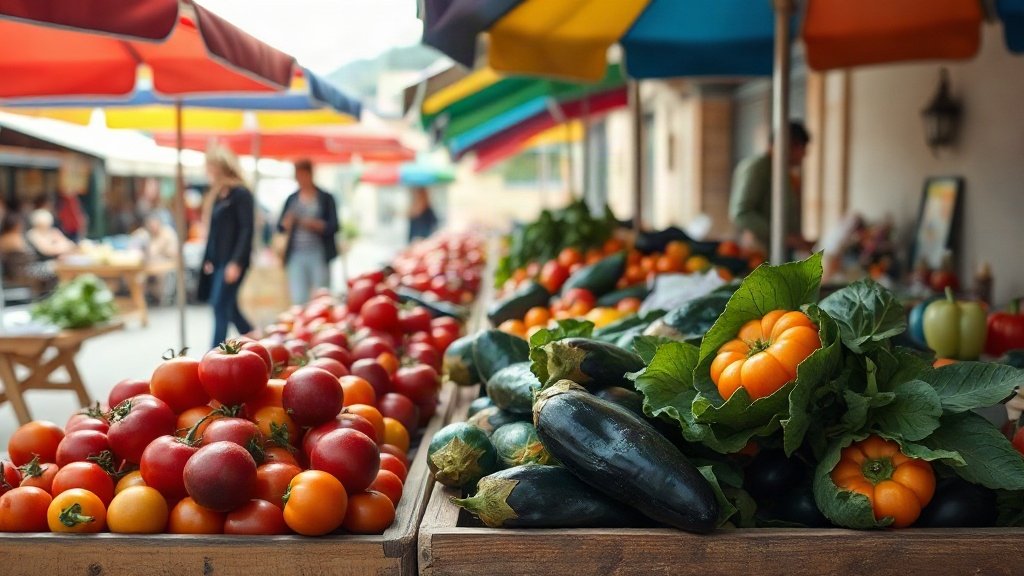
Illustration: AI-generated image
Every Croatian town worth its salt has a green market (tržnica or pijaca). These open-air hubs are where locals buy seasonal fruit and vegetables, cheese, eggs and flowers, and they offer visitors a genuine taste of daily life. More than just a place to shop, they are social spaces where neighbours catch up and recipes are swapped over crates of blitva (Swiss chard).
On a typical morning, you will find tables and umbrellas shading piles of produce, often arranged with care. Vendors range from farmers selling their own harvest to licensed resellers, but the emphasis is always on freshness. Many markets also have indoor sections for butchers, fishmongers and bakeries, as well as stalls with local honey, rakija and olive oil.
What to Buy
Look for seasonal fruit and vegetables, but also regional specialities: Istrian truffles in autumn, Pag cheese year-round, pršut (dry-cured ham) from Dalmatia, and olive oil from local groves. Eggs, wild asparagus in spring, and foraged herbs often appear in small quantities from family plots. Do not overlook the flower sellers, whose buckets of colourful blooms brighten even the greyest Zagreb morning.
Seasonal Highlights
Spring brings wild asparagus, strawberries and young broad beans. Summer is a riot of tomatoes, peppers, aubergines and stone fruit, while autumn offers grapes, figs, quince and chestnuts. Winter markets still have cabbage, kale, potatoes and citrus from the south, alongside preserved goods like ajvar and sauerkraut.
Tips for Shopping
Cash is still widely used, so bring some euros. Carry your own bag or basket to avoid plastic. Arrive early for the best selection and a more relaxed pace. It is perfectly acceptable to ask for a taste of cheese or olives before buying. Feel free to ask which stall has the sweetest mandarins or the creamiest skuta (fresh cheese) – vendors are proud of their goods and happy to advise.
Etiquette
Queues are respected, and it is polite to greet the vendor with "dobar dan" (good day). Handle produce gently and do not squeeze tomatoes or peaches too hard. If you are unsure how to use something, ask; a vendor will gladly explain how to prepare blitva or roast a pepper. Finally, do not haggle aggressively; prices are usually fair, and a small discount for larger quantities is sometimes offered.
Beyond Fruit and Veg
Many markets have a covered area where you can buy fresh meat, fish, bread and dairy. Look for local cheeses like paški sir or fresh skuta, and for cured meats such as kulen or panceta. In coastal towns, the fish section is a highlight – but go early, as the best catch sells out quickly. Some markets also host small cafés or bakeries where you can enjoy a burek and a coffee after your shopping.
A Morning Ritual
For many locals, a trip to the market is a daily routine. It is a chance to chat, sample, and choose exactly what is ripe that day. Visiting a green market is one of the easiest ways to understand Croatian food culture – and to fill your kitchen with the freshest ingredients the country has to offer.