Croatian Superstitions: Everyday Beliefs and How to Navigate Them
From the evil eye to whistling indoors, Croatia is rich in folk beliefs. Here's what they mean and how to avoid accidentally inviting bad luck.
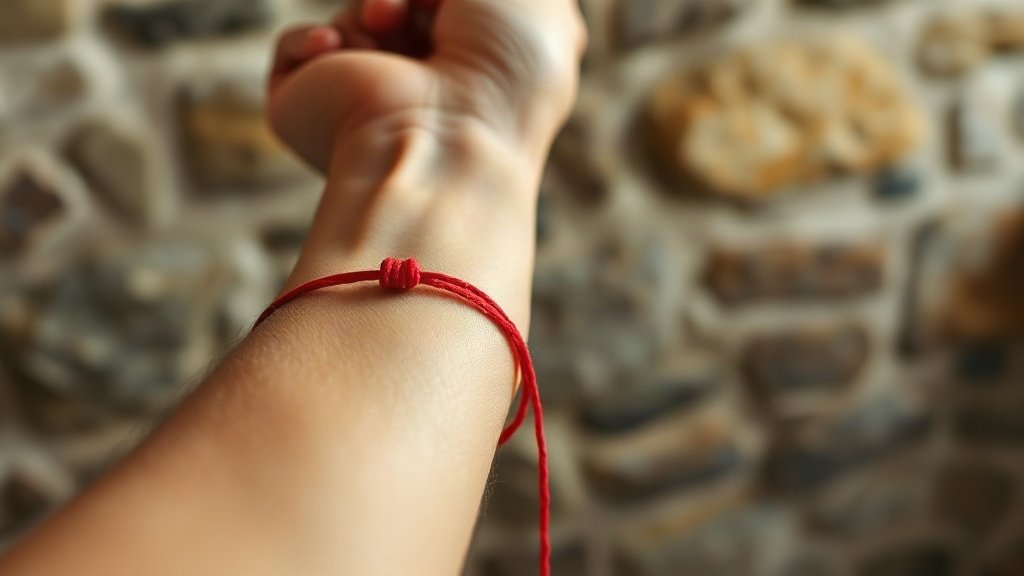
Illustration: AI-generated image
If you have spent any time in Croatia, you may have noticed a red string tied around a baby's wrist, heard someone knock on wood mid-conversation, or seen a friend toss a pinch of salt over their shoulder. These small gestures are part of a living tradition of folk beliefs that still shape everyday behaviour for many Croats, even in modern times. Understanding them can help you connect with local culture and avoid an accidental faux pas.
Common everyday superstitions
Many Croatian superstitions revolve around money, luck and protection. Here are some you are likely to encounter:
- Whistling indoors is thought to whistle your money away. If you are prone to whistling while working, you might get a gentle reminder to stop.
- Putting your handbag on the floor is said to cause money to leave you. In many homes, you will see purses placed on tables, chairs or hooks instead of the ground.
- Spilling salt is considered a bad omen, but you can counteract it by throwing a pinch over your left shoulder. Doing so supposedly blinds the devil waiting there.
- A black cat crossing your path is a universal sign of bad luck, and Croats take it seriously. Some will change their route or wait for someone else to pass first.
- If your left palm itches, you will receive money; if your right palm itches, you will give it away. The same applies to the sole of the foot: left means a journey, right means you stay put.
- Breaking a mirror brings seven years of bad luck, while seeing a spider in the morning is considered a sign of good fortune.
Protection against the evil eye
The belief in the evil eye (urok) is widespread in Croatia, especially along the coast. It is thought that a jealous or envious glance can cause harm, particularly to children, pregnant women and animals. To protect against it, Croats use several amulets and rituals:
- Red string (crveni konac) is tied around a baby's wrist or ankle, often until it falls off naturally. Some adults wear one too, sometimes with a small blue bead or a charm shaped like a hand.
- Blue glass amulets in the shape of an eye, often called nazar, are hung in homes, cars or on keychains. They are meant to reflect the evil gaze back to its source.
- Spitting three times (symbolically, not literally) after complimenting someone, especially a child, is a way to ward off envy. You may hear people say "Da ne ureknem" ("So I don't cast the evil eye") before praising.
Superstitions for special occasions
Certain life events come with their own set of beliefs. If you are invited to a Croatian celebration or moving into a new home, these might come in handy:
- Giving a knife as a gift is thought to cut the friendship. To avoid this, the recipient should give the giver a small coin in return, turning the gift into a purchase.
- When moving into a new home, it is customary to bring bread and salt first. Bread symbolises abundance and salt protection, and the gesture is believed to bring prosperity.
- At weddings, guests often pin a sprig of rosemary or a small Croatian flag to their lapel. Some older customs include breaking a plate at the bride's feet or throwing coins into the car as the couple leaves, both to ensure luck and fertility.
- Pregnant women are often advised not to attend funerals or look at frightening images, and some believe that cutting your hair during pregnancy can shorten the baby's life (though this is largely fading).
How to respond as a newcomer
You are not expected to follow every superstition, but you can show respect by observing a few simple rules. If you spill salt, toss a pinch over your left shoulder with a smile. If someone compliments your child, you might gently pretend to spit three times over your shoulder—or just say "hvala, ne daj Bože" ("thank you, God forbid"). If you are given a knife as a gift, have a coin ready. And most importantly, never whistle indoors—your host's face will tell you why.
Above all, remember that these beliefs are often spoken with a wink and a laugh. They are part of the fabric of daily life, connecting generations and adding a touch of mystery to the ordinary. By understanding them, you will not only avoid a few faux pas but also gain a deeper appreciation for the cultural richness that makes Croatia so unique.