How to Celebrate Fašnik: Croatia's Colourful Carnival Season
From fluffy krafne to hand-carved masks, here's how to embrace one of Croatia's most joyful traditions.
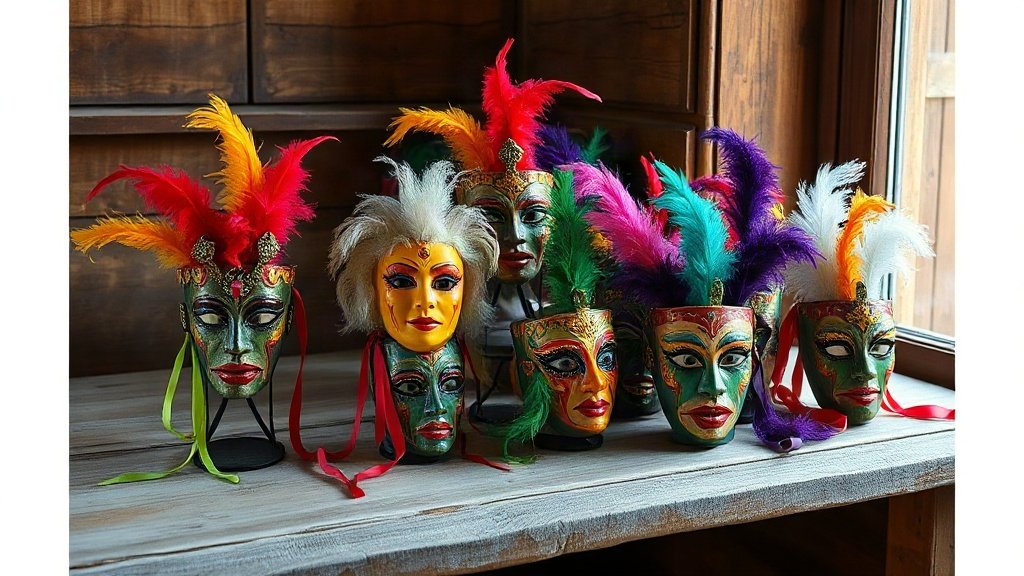
Illustration: AI-generated image
As winter slowly gives way to the first hints of spring, towns and villages across Croatia burst into a whirl of colour, music and laughter. This is Fašnik, the country's beloved pre-Lenten carnival, a time when normal rules are playfully suspended and everyone is invited to join the fun. Whether you are new to Croatia or simply curious about local traditions, Fašnik offers a wonderful way to connect with the community and experience the Croatian spirit of joy and hospitality.
What is Fašnik?
Fašnik (also known as poklade, mesopust or karneval depending on the region) is the period of feasting and merrymaking before the 40 days of Lent. Rooted in ancient pagan customs that marked the end of winter, it was later absorbed into the Christian calendar as a final celebration before a time of fasting and reflection. Today, Fašnik is a secular festival celebrated by people of all backgrounds, with the common goal of chasing away winter and welcoming spring.
The name Fašnik comes from the German word "Fastnacht", meaning the eve of the fast. Croatian Fašnik has its own distinct character, blending Slavic, Mediterranean and Central European influences into a unique tradition that varies from one region to another. In Slavonia, it is called poklade, while in Dalmatia you might hear maškare. Despite the different names, the essence is the same: dress up, make noise, eat well and have a good time.
Masks and Costumes
The heart of Fašnik lies in the masks. Traditionally, masks were made from wood, leather, fur and other natural materials, often representing animals, mythical creatures or exaggerated human characters. Some of the most famous are the zvončari (bell ringers) of the Rijeka region, who wear sheepskin cloaks and heavy bells to drive away evil spirits. In other areas, masked groups go from house to house, performing skits and collecting treats, much like Halloween but with a distinctly Croatian flavour.
Today, many people buy or rent costumes, but making your own mask is a cherished activity, especially for children. Simple paper or cardboard masks painted with bright colours are a great starting point. If you want to take part, do not worry about being perfect: the spirit of Fašnik is about creativity and humour, not expensive outfits. A funny hat, a painted face or a homemade mask will fit right in.
The Food of Fašnik
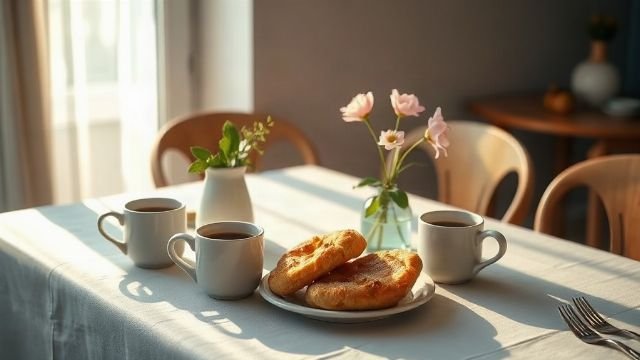
No celebration in Croatia is complete without food, and Fašnik has its own special treat: krafne. These are fluffy, deep-fried doughnuts, usually filled with jam, chocolate or custard and dusted with icing sugar. During Fašnik, bakeries and homes produce mountains of krafne, and the smell of frying dough fills the streets. They are best enjoyed warm, with a cup of coffee or hot tea.
Other traditional foods include fritule (small fried dough balls, often with raisins and rum), which are similar but smaller and sometimes served with a drizzle of honey or chocolate. In some regions, people also eat rich meat dishes, as it is the last chance before Lent. If you are invited to a Fašnik gathering, bringing a box of krafne is always appreciated.
Where to Experience Fašnik
The most famous Croatian carnival is the Rijeka Carnival, one of the largest in Europe, attracting tens of thousands of visitors each year. It features a grand parade with elaborate floats, international mask groups and a festive atmosphere that lasts for weeks. However, you do not need to travel far: almost every town and village has its own Fašnik celebration, often centred around the local community hall or main square. Look for posters or ask neighbours about local events.
How to Take Part
Joining Fašnik is easy and open to everyone. The simplest way is to attend a parade or a masked ball, wearing a simple costume or mask. Children especially love the chance to dress up and collect sweets from friendly neighbours. If you are invited to a private party, remember that it is customary to bring a small gift, such as krafne or a bottle of wine. Above all, embrace the playful spirit: laugh, dance, and do not be afraid to look a little silly. After all, that is the whole point.