How to Play Boćanje: Croatia's Beloved Coastal Game
Learn the rules and etiquette of boćanje, a traditional precision game that brings friends and neighbours together across Dalmatia.
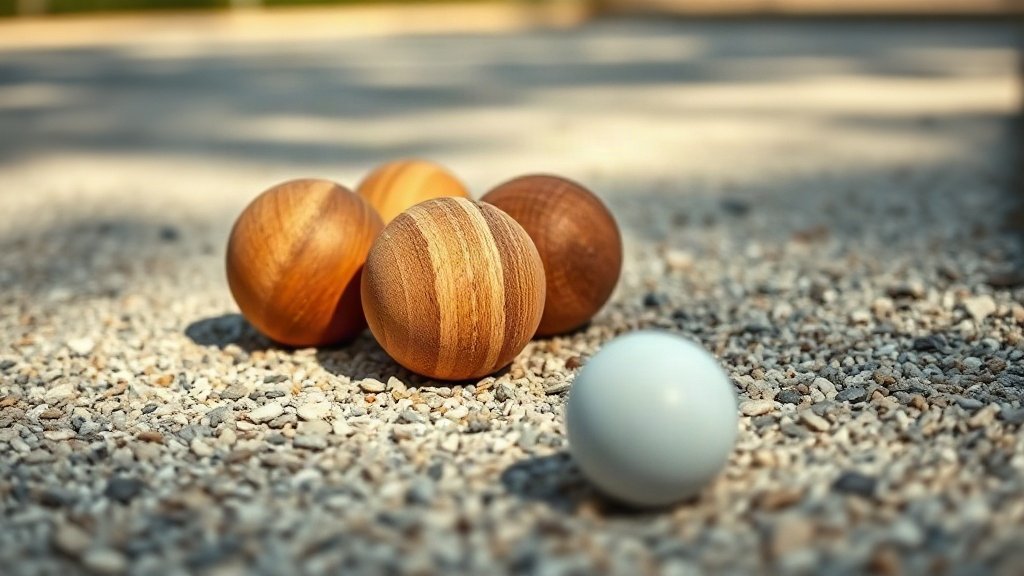
Illustration: AI-generated image
If you have spent any time along the Croatian coast, you have likely heard the distinctive clack of metal balls and the cheerful shouts of players gathered around a rectangular court. This is boćanje, a traditional precision game that is deeply woven into Dalmatian social life. Similar to Italian bocce or French pétanque, boćanje is easy to learn, endlessly challenging, and a wonderful way to connect with locals.
What You Need to Play
Boćanje is played with a set of large balls, traditionally made of wood but now most commonly made of metal or hard plastic. Each player or team has four balls, usually distinguishable by colour or markings. The game also uses a smaller target ball, called a buljin in Dalmatia or pallino in Italian. The playing surface can be a dedicated court of packed gravel, a sandy beach, or any relatively flat area with a boundary.
Basic Rules of the Game
Boćanje can be played one-on-one or in teams of two or four. The objective is simple: throw or roll your balls so that they land as close as possible to the buljin. Here is how a typical round unfolds:
- Starting the round: A player tosses the buljin to a reasonable distance within the court. The same player then throws their first ball, trying to get as close as possible to the target.
- Alternating turns: The opposing player or team then throws their balls, aiming to get closer than the first player's best ball. Turns alternate until all balls have been thrown.
- Scoring: Once all balls are in play, the team with the ball closest to the buljin scores one point for each of their balls that is closer than the opponent's closest ball. The maximum score in a round is four points.
- Winning: The game continues over multiple rounds, and the first player or team to reach a predetermined number of points—often 13 or 15—wins the match.
Players may throw the ball underhand or overhand, depending on their style and the situation. A common tactic is to bocati, or knock an opponent's ball away from the target, rather than simply trying to place your own ball close.
Where and When to Play
Boćanje is played year-round in Dalmatia, but it truly comes alive in the warmer months. Many villages and neighbourhoods have public courts, often shaded by trees and located near the sea. In the evenings, you will see locals gathering for a friendly game after work. It is especially popular among older generations, though younger people are increasingly taking it up. If you see an empty court, feel free to use it, but be respectful of those waiting to play.
Etiquette and Tips for Newcomers
Like any social game, boćanje has its unwritten rules. Be patient and wait your turn, avoid distracting players while they are throwing, and always help retrieve balls. Compliment good shots and accept defeat with good humour. If you are unsure of the rules, ask a local—most will be delighted to explain and may even invite you to join. Boćanje is as much about conversation and camaraderie as it is about competition.
Whether you are a resident or a visitor, learning to play boćanje is a delightful way to experience Croatian coastal culture. So next time you hear the clack of balls, step over and ask to join in.