How to Use a Wood-Burning Stove in Croatia: A Practical Guide
A wood-burning stove is a common feature in Croatian homes, offering warmth and a cosy focal point. Here's how to use one safely and efficiently, from choosing firewood to maintaining the fire.
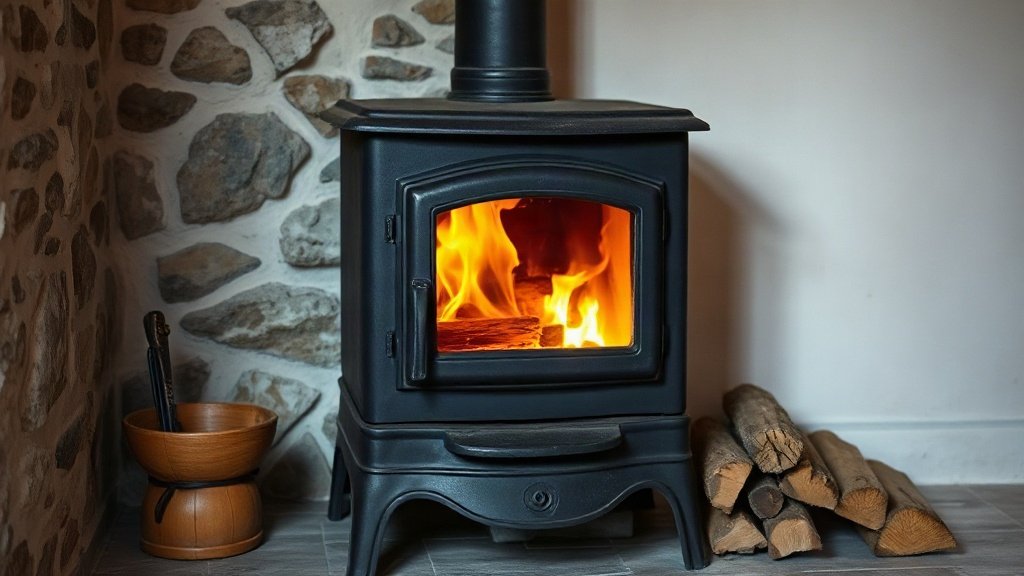
Illustration: AI-generated image
When winter settles over Croatia, many households rely on wood-burning stoves as their main source of heat. Whether in a village house in Slavonia, a coastal stone home in Istria, or a mountain cottage in Gorski Kotar, the crackling of a fire is part of daily life. If you are new to using one, a little know-how goes a long way.
Types of Wood-Burning Stoves
You will come across two main types. Traditional tiled stoves, known as peći, are built from ceramic tiles and radiate heat slowly for hours. They are common in older homes and often have a bench for sitting or even sleeping. More modern homes may use closed cast-iron or steel stoves with a glass door, which heat up quickly and allow you to enjoy the flames. Both work on the same basic principle: wood burns in a firebox, and heat is transferred to the room.
Choosing the Right Firewood
The most important factor for a good fire is dry, well-seasoned wood. In Croatia, hardwoods like oak (hrast), beech (bukva), and hornbeam (grab) are popular because they burn slowly and produce long-lasting heat. Avoid softwoods like pine, which burn fast and can create excess soot. Wood should be cut and split at least one year before use; look for cracks in the ends and a lighter weight. Never burn treated or painted timber, as it releases toxic fumes.
Lighting the Stove
Start with a clean firebox. Place two or three smaller logs on the bottom, then add crumpled newspaper or dry kindling on top. Some people use firelighters, but simple paper works fine. Light the paper and leave the air vents fully open. Once the kindling is burning well, add a few larger logs, but do not overfill. Close the door but leave the air control open until the fire is established. Then reduce the air supply to slow the burn and maintain steady heat.
Maintaining the Fire
Add wood before the flames die down completely, and place new logs carefully to avoid smothering the embers. Open the air vent for a few minutes after adding wood to help it catch, then adjust again. A bed of glowing coals is ideal for producing steady heat, so avoid opening the door too often. In general, one or two medium logs per hour are enough for a comfortable room temperature.
Safety First
Have your chimney swept at least once a year, preferably before the heating season. A build-up of soot can cause a chimney fire. Install a carbon monoxide detector in the room, and never leave the stove unattended with the door open. Keep flammable materials away from the stove, and place it on a fireproof base. Children should be taught to keep a safe distance.
Local Habits and Customs
In many Croatian homes, the wood stove is more than a heater; it is a gathering place. Families often place a metal kettle or pot on top to keep water hot for tea or coffee. In Dalmatia, you might see a peka placed over embers for slow-cooking meat or octopus, but that is usually done in an outdoor fireplace. Sitting by the stove with a cup of coffee and a slice of pogača is a simple pleasure of the colder months.
With a little practice, you will master the art of keeping a warm, efficient fire. It is a skill that connects you to generations of Croats who have relied on wood heat for centuries.