Peka: A Guide to Croatia's Traditional Bell-Lid Cooking
Discover peka, the ancient Croatian method of slow-cooking meat, seafood and vegetables under a metal bell covered with hot embers.
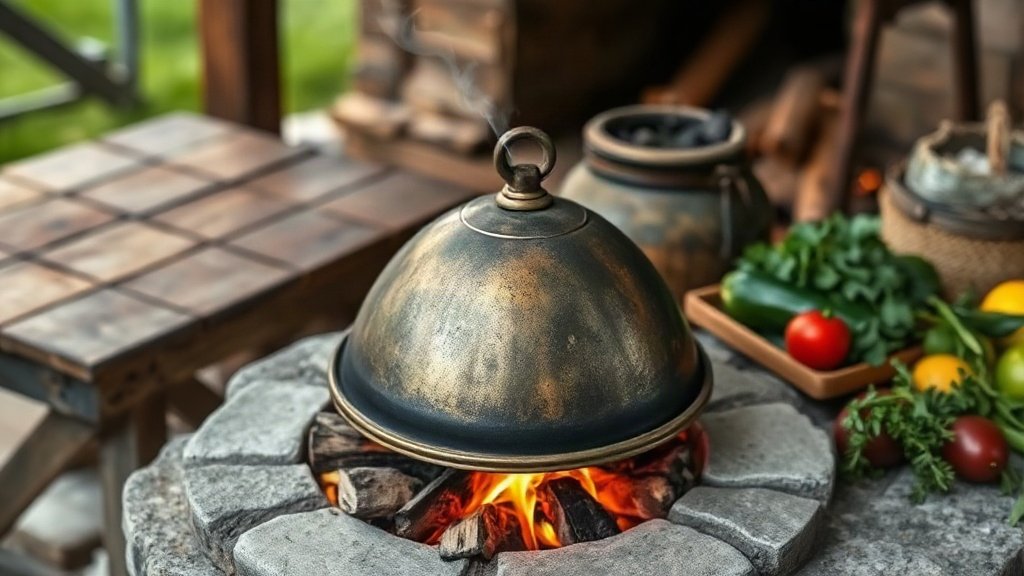
Illustration: AI-generated image
Peka is one of Croatia's most beloved culinary traditions, a slow-cooking method that transforms simple ingredients into deeply flavourful dishes. The name refers both to the bell-shaped metal or clay lid and the cooking technique itself, which involves placing the lid over food in a shallow dish and covering it with hot embers from a wood fire.
Dating back centuries, peka is particularly associated with Dalmatia and the islands, where it remains a centrepiece of family gatherings and festive meals. It is a method that requires patience, but the result is tender meat or seafood infused with smoky, earthy aromas.
How Peka Works
The key to peka is slow, even heat. A fire is lit, traditionally from hardwood such as oak or vine cuttings, and allowed to burn down to glowing embers. The food—usually meat or octopus, along with potatoes, onions, carrots and herbs—is placed in a large flat dish or tray, often with a little olive oil, wine or water. The bell-shaped lid is then placed over it, and hot embers are piled on top and around the sides.
The lid traps heat and moisture, creating an environment similar to an oven, but with the added smokiness from the embers. Cooking times can range from one to three hours depending on the ingredients, and the lid is only lifted at the end to reveal the finished dish. This method ensures that flavours meld together, and the meat becomes fall-off-the-bone tender.
Typical Peka Dishes
While peka can be used for many ingredients, the most iconic version is lamb or veal peka. The meat is seasoned simply with salt, pepper, rosemary and garlic, then cooked with potatoes and root vegetables until meltingly soft. Another classic is octopus peka, especially popular along the coast, where the tough octopus becomes tender and absorbs the flavours of olive oil, white wine and herbs.
Some variations use chicken, pork or a mix of meats, and sometimes additional vegetables like courgettes or tomatoes are added. The dish is usually served straight from the peka dish, often with a simple green salad and homemade bread to mop up the juices.
Where to Experience Peka
Many traditional konobas (family-run taverns) throughout Dalmatia and the islands offer peka, but it is essential to order it in advance, often a day or more. Because of the long cooking time, it is usually prepared for a minimum of two or more people. This is a dish meant for sharing, and the anticipation of waiting for the lid to be lifted is part of the experience.
For those who wish to try making peka at home, special peka bells can be purchased, and recipes abound. However, mastering the fire and ember management takes practice. Many visitors prefer to leave it to the experts and simply enjoy the result on a terrace overlooking the Adriatic.