A Guide to Risnjak National Park: Croatia's Mountain Wilderness
Discover the forests, peaks and wildlife of Risnjak, one of Croatia's wildest national parks, just a short drive from the coast.
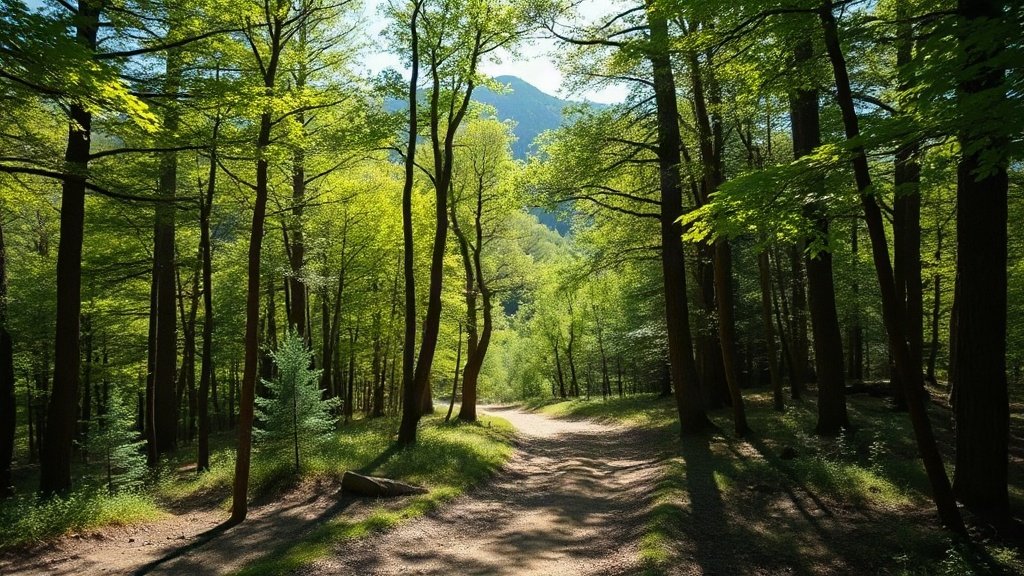
Illustration: AI-generated image
Risnjak National Park is one of Croatia's lesser-known natural treasures. Located in Gorski Kotar, the mountainous region between Zagreb and the Adriatic coast, it offers cool forests, panoramic peaks and a sense of wilderness that feels far from the busy coast. The park covers 63.5 square kilometres and is centred on the Risnjak massif, whose highest point, Veliki Risnjak, rises to 1,528 metres.
Why Visit Risnjak?
Few visitors to Croatia venture inland from the coast, but those who do are rewarded with a completely different landscape. Risnjak is a place of deep beech and fir forests, karst sinkholes, and clear mountain streams. The park is named after the lynx (ris in Croatian), which once roamed these forests and is occasionally spotted today. The park is also home to brown bears, wolves, deer, and many bird species. For hikers and nature lovers, it offers a quiet alternative to the crowded coastal trails.
Hiking Trails
The park has a well-marked network of trails. The most popular hike is the climb to Veliki Risnjak, which takes about three hours round trip from the main entrance at Crni Lug. The trail passes through beech forest before emerging onto rocky slopes with views of the Kvarner Bay and, on clear days, as far as the Alps. Another highlight is the Leska educational trail, a gentle circular path that introduces the park's flora and fauna, suitable for families. For a longer adventure, the mountain hut at Schlosserov Dom offers a base for exploring the surrounding peaks.
Flora and Fauna
Risnjak's forests are among the best-preserved in Croatia. In spring, the forest floor is covered with wildflowers, including rare orchids. The park is a stronghold for large carnivores; while sightings are rare, signs of bear and wolf are common. Birdwatchers can look for woodpeckers, owls, and the elusive capercaillie. The park's name reflects its historical importance as a habitat for the Eurasian lynx, which has been reintroduced to the area.
When to Go
Risnjak is accessible year-round, but each season offers something different. Summer is the most comfortable for hiking, with mild temperatures even when the coast is sweltering. Autumn brings spectacular colours as the beech forests turn gold and red. Winter transforms the park into a snowy wonderland, but trails may be icy and require proper equipment; the park often provides updates on trail conditions. Spring is ideal for wildflowers and waterfalls, though some higher trails may still be snow-covered until late May.
How to Get There
The park's main entrance is in the village of Crni Lug, about 12 kilometres east of Delnice and roughly 30 kilometres from the coast at Bakar. From Zagreb, it's about a 1.5-hour drive on the A6 motorway to Delnice, then follow signs to Crni Lug. From Rijeka, take the A6 towards Zagreb and exit at Delnice. There is limited public transport; a bus runs from Rijeka to Crni Lug, but a car is recommended for flexibility. The park is also close to the source of the Kupa River, a popular spot for a refreshing dip in summer.
Practical Tips
- Wear sturdy hiking boots; trails are rocky and can be slippery after rain.
- Bring layers; weather changes quickly in the mountains.
- Carry water and snacks; there are no shops inside the park.
- Check trail conditions at the park office before setting out, especially in winter.
- Respect wildlife: keep a safe distance, do not feed animals, and stay on marked trails.