A Guide to the Cravat: Croatia's Necktie Heritage
Discover the story behind the cravat, the elegant neckwear that began with Croatian soldiers and became a worldwide fashion staple.
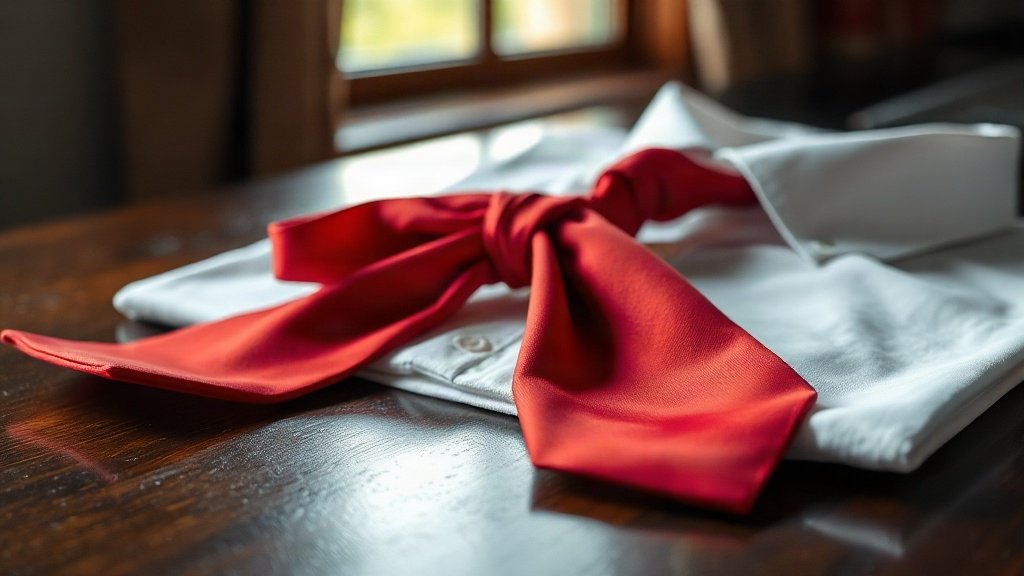
Illustration: AI-generated image
Few items of clothing carry as much history as the cravat. This elegant neckwear, which evolved into the modern tie, has its roots firmly planted in Croatian soil. It is a story of soldiers, style, and a small piece of cloth that conquered the world.
A Military Tradition
The cravat's origins date back to the 17th century, during the Thirty Years' War. Croatian soldiers, serving in the French army, wore distinctive neckerchiefs tied around their collars. These were practical: they kept the soldiers' jackets closed and offered protection from the elements. But they also caught the eye of the French, who admired the smart, colourful knots.
The French called these soldiers "Croats" (in French, "Croates"), and the neckwear became known as "cravate" – a direct nod to its Croatian origin. Over time, the spelling evolved into "cravat" in English.
From Battlefield to Ballroom
What began as a military necessity soon became a fashion statement. The French court, led by King Louis XIV, adopted the cravat with enthusiasm. It evolved into elaborate lace and linen creations, often taking hours to arrange. The cravat became a symbol of elegance and refinement across Europe.
By the 19th century, the cravat had morphed into the more familiar necktie we know today, but its essence – a strip of fabric tied around the neck – remains unchanged.
A Symbol of Croatian Identity
In modern Croatia, the cravat is a source of national pride. Every year on 18 October, Croatia celebrates Cravat Day (Dan kravate). The date was chosen to mark the day in 2003 when a giant red cravat was tied around the Arena in Pula, one of the country's most iconic landmarks.
Around the country, you will see cravats worn with traditional folk costumes, particularly in Slavonia and Baranja, where the neckwear often features intricate embroidery. In Zagreb, a dedicated museum explores the history and craftsmanship of the cravat, displaying examples from different eras.
How to Wear a Cravat Today
While the modern necktie dominates formal wear, the classic cravat has seen a revival in recent years. It offers a touch of old-world charm for weddings, cultural events, and smart-casual occasions. Tying one takes practice, but there are a few simple methods, from a basic knot to the more elaborate barrel knot.
For those wanting to embrace the tradition, look for a handmade silk cravat. Many Croatian artisans still produce them using traditional techniques, often with motifs inspired by the country's heritage.
So next time you straighten your tie, remember that you are wearing a piece of Croatian history.