A Slow Guide to Hvar: Lavender, Vineyards and Quiet Bays
Hvar is famous for its nightlife, but the island's real charm lies in its lavender fields, ancient olive groves and sleepy harbour towns. Here’s how to experience it slowly.
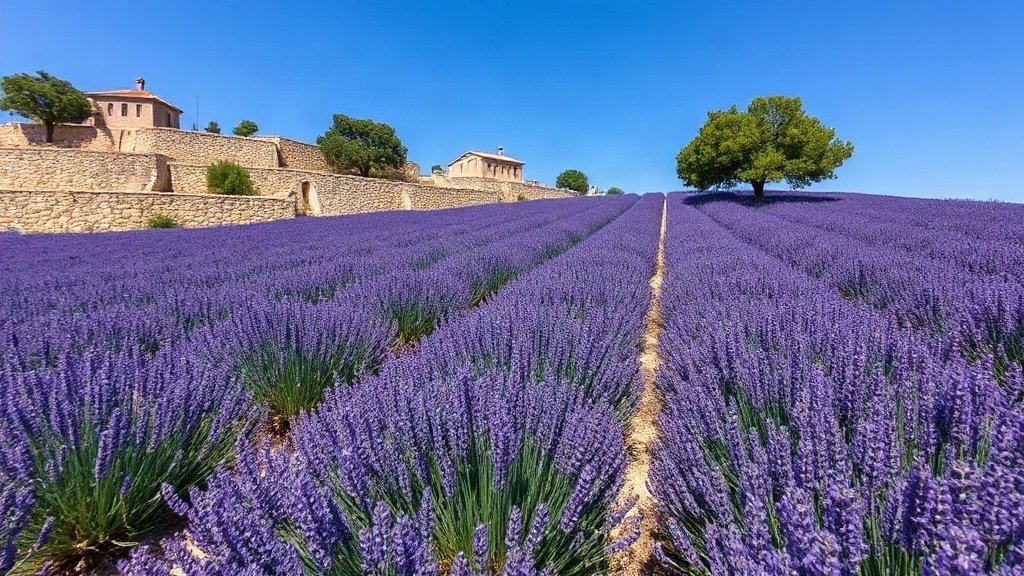
Illustration: AI-generated image
Hvar is often called Croatia’s sunniest island, and for good reason. But beyond the glamorous waterfront of Hvar Town, the island reveals a quieter, more traditional side: terraced lavender fields, centuries-old vineyards and stone villages where life moves at a gentle pace. This guide covers the best ways to explore Hvar slowly, from ferry connections to hidden coves.
Getting there and around
Regular car ferries and passenger catamarans connect Split with Stari Grad and Hvar Town. The journey takes around two hours by car ferry, less by catamaran. Once on the island, a car is useful for reaching remote beaches and hilltop villages, but local buses also link the main settlements. Cycling is possible, though the island’s hills can be challenging.
Lavender season and rural heritage
Hvar’s lavender has been cultivated for centuries, and the island was once a major producer of lavender oil. The best time to see the fields in bloom is June and early July, when the hillsides around the villages of Velo Grablje, Brusje and Zaraće turn purple. The abandoned hamlet of Malo Grablje offers a glimpse of traditional stone architecture among the lavender terraces.
Stari Grad and the UNESCO-listed Plain
Stari Grad, meaning “old town,” is one of the oldest settlements in Croatia. Its narrow stone streets and small harbour are best explored on foot. Just outside the town lies the Stari Grad Plain, a UNESCO World Heritage Site. This agricultural landscape has been farmed continuously since the ancient Greeks laid out its geometric field system in the 4th century BC. Walking or cycling along the plain reveals olive groves and vineyards divided by dry-stone walls.
Quiet beaches and bays
While Hvar Town’s beaches can get busy in summer, the island has many quieter spots. On the south coast, the coves around Sveta Nedjelja and Ivan Dolac are known for clear water and pebble shores. The nearby Pakleni Islands, a short boat ride from Hvar Town, offer pine-shaded bays such as Stipanska and Palmizana, where you can swim and snorkel away from the crowds.
Local food and wine
Hvar’s cuisine reflects its Mediterranean setting. Look for dishes made with fresh fish, locally grown vegetables and the island’s olive oil. Hvar is also known for its indigenous grape varieties, including Plavac Mali, which produces robust red wines, and Bogdanuša, a light white wine traditionally grown on the Stari Grad Plain. Many family-run konobas (taverns) serve simple, seasonal food.
Whether you visit in spring to see wildflowers, in summer for the lavender and sea, or in autumn for the grape harvest, Hvar rewards travellers willing to slow down and explore beyond the obvious.