A Slow Guide to Osijek: Riverside Walks, Baroque Streets and Slavonian Flavours
Osijek, Slavonia's largest city, rewards slow travellers with riverside promenades, baroque architecture and hearty regional cooking. Here's how to make the most of a visit.
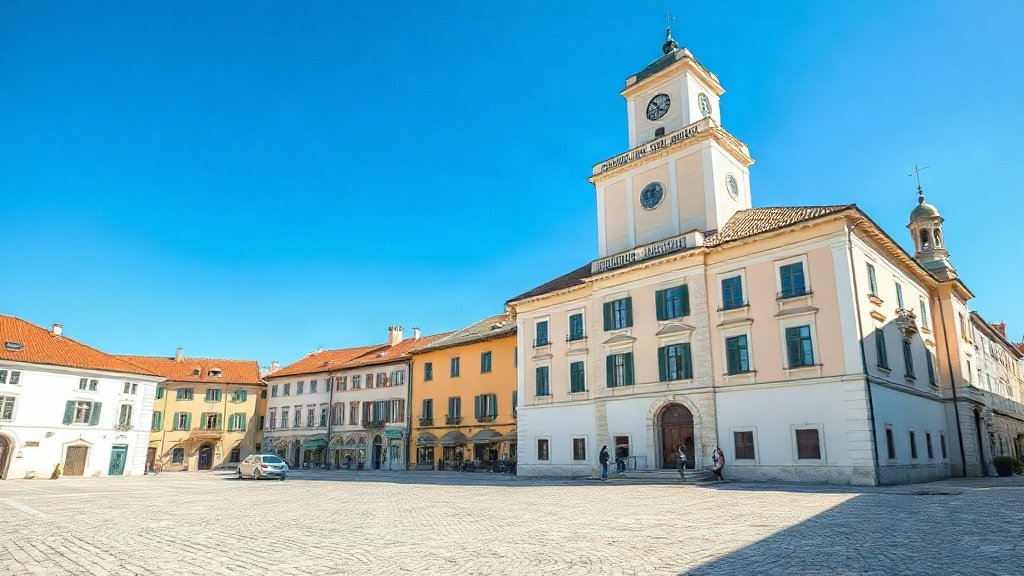
Illustration: AI-generated image
While most visitors to Croatia head straight for the coast, the country's eastern region of Slavonia remains a quiet secret. Its largest city, Osijek, offers a completely different slice of Croatian life: wide rivers, baroque squares, and a food culture built on spice and slow cooking. If you're looking to experience a side of Croatia that few tourists see, Osijek deserves a spot on your itinerary.
Why visit Osijek?
Osijek sits on the right bank of the Drava River, about 25 kilometres from its confluence with the Danube. It's a city of parks and promenades, with a relaxed pace that encourages lingering. The jewel is Tvrđa, a star-shaped baroque fortress built in the early 18th century, which today houses cafés, galleries and the university. Unlike many European old towns, Tvrđa feels lived-in rather than museum-like, making it a joy to wander.
What to see and do
Start with a walk through Tvrđa's grid of streets, pausing at the main square (Trg Svetog Trojstva) and the baroque Church of St Michael. The Museum of Slavonia, housed in a former palace, offers a deep dive into the region's history from prehistory to the 20th century. Then head to the city's neo-Gothic cathedral, the Church of St Peter and St Paul, whose 90-metre spire is visible from across the city.
For a breath of fresh air, cross the Drava on the pedestrian bridge and walk along the left bank, where the riverfront promenade offers views back towards the old town. In summer, locals flock to the river beaches, and you can join them for a swim or a riverside picnic. If you're interested in more recent history, the city's memorials and museums tell the story of the 1990s war, but always with respect and a sense of resilience.
What to eat and drink
Slavonian cuisine is hearty and paprika-heavy. Kulen, a spicy cured sausage, is a regional icon often served sliced with cheese and bread. Fiš paprikaš, a fisherman's stew made with river fish and hot paprika, is a must-try, as is čobanac, a rich meat stew. For something lighter, try local freshwater fish grilled or fried. Wash it down with a glass of Graševina, the crisp white wine that thrives in Slavonia's vineyards. Vegetarians will find plenty of bean soups, štrukli (pastry with cheese) and seasonal vegetables prepared with love.
Getting there and around
Osijek has a small airport with seasonal flights from a few European cities, but most travellers arrive by train or bus from Zagreb (around 3–4 hours) or from Hungary and Serbia. Once in the city, it's easy to explore on foot or by bicycle; the flat terrain and riverside paths make cycling a pleasure. Local buses and trams (one of the few remaining in Croatia) connect the main districts if you need to go further.
When to visit
Spring and autumn offer the most pleasant weather for walking, with fewer crowds than the coast in summer. Autumn is especially beautiful, as the parks turn golden and the harvest brings fresh paprika and newly pressed wines. Winter can be chilly and foggy, but the city's cafés and Christmas market (in December) add warmth.
Osijek may not have the turquoise sea of Dalmatia, but it has something rarer: an authentic, unhurried Croatian urban experience. Come with an appetite and a sense of curiosity, and you'll leave with a deeper understanding of this fascinating country.