A Slow Guide to Šolta: Honey, Olive Oil and Quiet Coves Near Split
Just a short ferry ride from Split, the island of Šolta remains a haven of slow travel, with ancient olive groves, family-run honey farms and peaceful pebble beaches.
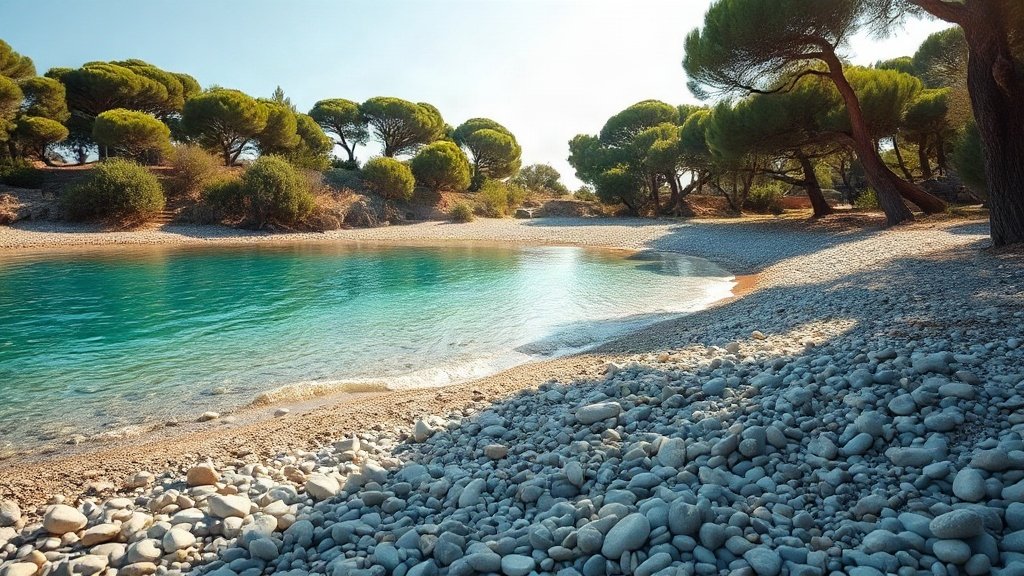
Illustration: AI-generated image
Only 9 nautical miles from Split, the island of Šolta feels a world away from the bustling Dalmatian capital. With no large hotels, no nightclubs and no traffic jams, Šolta is a place where time slows down, and the rhythms of rural island life set the pace. For travellers seeking an authentic slice of Dalmatia, this small island – about 19 km long and 5 km wide – offers a perfect escape.
Getting there and around
Šolta is easily reached by regular car ferry from Split to Rogač, the island's main port. The crossing takes roughly one hour, and there are also faster catamaran connections in summer. Once on the island, a car or scooter is handy for exploring, though many visitors prefer to base themselves in one village and rely on local buses or taxis. The island's single main road runs along the spine, connecting the main settlements, while narrow lanes wind down to hidden coves.
Villages and highlights
The island's administrative centre is Grohote, a traditional inland village with stone houses and a relaxed atmosphere. The coastal villages are the real stars. Maslinica, on the west coast, is known for its small harbour, a 17th-century castle (now a hotel) and striking sunsets. Stomorska, on the northeast coast, is the oldest coastal settlement on the island, with a sheltered harbour and a cluster of konobas serving fresh fish. Nečujam, the island's largest bay, was once a retreat for Roman emperors; today it offers calm waters for swimming and snorkelling.
Olive oil and honey
Šolta has been synonymous with high-quality olive oil for centuries. The island is home to thousands of ancient olive trees, many growing on stone terraces. The local variety, known as šoltanka, is prized for its mild, fruity flavour. Visitors can taste and buy oil directly from family-run mills, especially in autumn after the harvest. Honey is another local treasure. Beekeepers have long produced distinctive rosmarinus honey from wild rosemary that carpets the island's hillsides in spring, as well as sage and wildflower varieties.
Beaches and swimming
Šolta's coastline is dotted with pebble and rocky beaches, most of them quiet even in high season. The most famous is the small cove of Livka on the south side, but dozens of others are reachable by foot or boat. The water is exceptionally clear, and a snorkel mask reveals a lively underwater world. For those who prefer organised beaches, Nečujam has several small pebble stretches with basic facilities.
Hiking and cycling
The island's hilly interior is crisscrossed with old donkey paths and stone walls, perfect for walking or mountain biking. Trails connect villages, olive groves and viewpoints overlooking the sea and neighbouring islands like Brač and Hvar. Spring and autumn are ideal for longer walks, when wildflowers bloom and temperatures are mild.
Where to stay and eat
Accommodation on Šolta is mostly in private apartments and small family-run guesthouses, with a few boutique hotels in converted historic buildings. Dining is unpretentious: konobas serve grilled fish, lamb from the island's pastures, and vegetables from village gardens. Look for dishes cooked under a peka, a traditional bell-shaped lid covered with hot coals.
A slower pace
Šolta is not about ticking off sights. It is about long lunches under vine-covered terraces, afternoon swims in deserted coves, and evening strolls along quaysides where fishermen mend their nets. Whether you stay for a day or a week, the island's gentle rhythms will leave you refreshed and reluctant to return to the mainland buzz.