Batana: A Guide to Rovinj's Traditional Flat-Bottomed Boat
Discover the batana, the flat-bottomed fishing boat that has defined life in Rovinj for centuries, and learn how this humble vessel became a symbol of local identity.
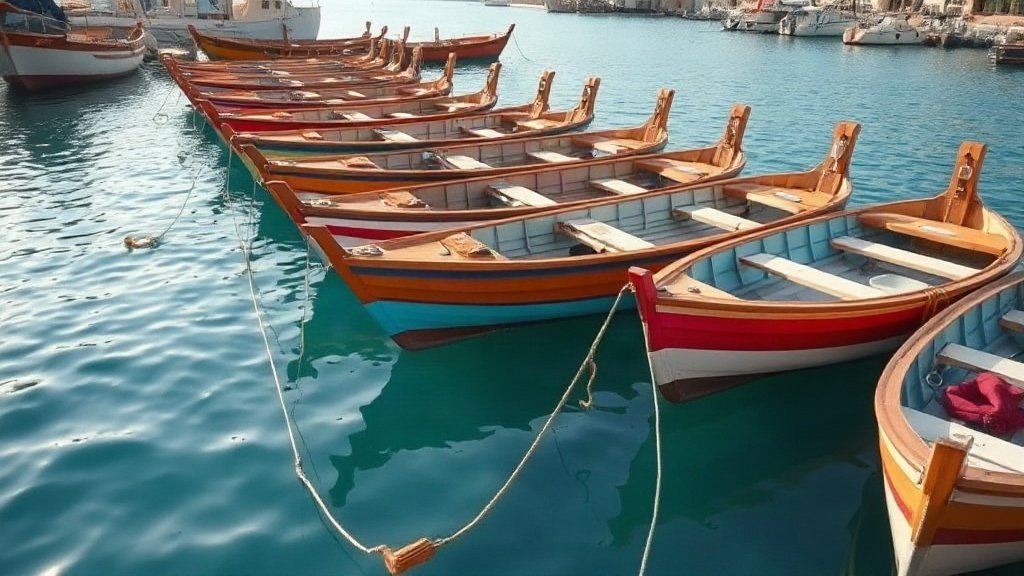
Illustration: AI-generated image
The batana is more than just a boat. For the people of Rovinj, on Croatia's Istrian coast, it is a floating piece of history, a link to generations of fishermen, and a proud symbol of local identity. This distinctive flat-bottomed wooden vessel has sailed and rowed these waters for centuries, adapting perfectly to the shallow, rocky seabed of the northern Adriatic.
A Boat Built for Shallow Waters
Unlike deeper-hulled sailing ships, the batana is designed to navigate the coastal shallows and narrow channels around Rovinj. Typically between four and eight and a half metres long, it features a wide beam, a flat bottom, and raised, pointed bows at both ends. This shape gives it remarkable stability and allows it to be beached easily on the town's rocky shoreline. Traditionally, batane were built from local oak and other woods, using time-honoured techniques passed down through families of master boatbuilders. The planks were often joined with wooden pegs rather than metal nails, a method that gave the hull flexibility in rough seas. A single lateen sail on a short mast provided power when the wind was favourable, while oars were used for calm days or tight manoeuvres.
From Workhorse to Cultural Icon
For centuries, the batana was the workhorse of Rovinj's fishing community. Fishermen used it to tend nets, harvest shellfish, and transport goods between the islands and the mainland. The boat's shallow draft meant it could slip into hidden coves and over sandbars where larger vessels could not go. As motorised boats became common in the mid-20th century, the batana began to disappear from daily use. Recognising the risk to this living tradition, local enthusiasts founded a community-run ecomuseum in Rovinj's old town. Through workshops, regattas, and educational programmes, the museum has helped revive interest in building and sailing batane. In 2016, UNESCO inscribed the project on its Register of Good Safeguarding Practices, acknowledging the community's efforts to keep this maritime heritage alive.
Where to See Batane Today
Visitors to Rovinj can still see batane moored along the town's picturesque harbour, their colourful hulls bobbing gently in the water. During the summer months, local associations often organise batana regattas and rowing excursions, giving visitors a taste of the traditional way of life. The ecomuseum, located in a historic building near the waterfront, displays original boats, tools, and photographs that tell the story of the batana and the people who built and sailed it. Even a simple walk along the Rovinj waterfront offers a glimpse of these graceful craft, their distinctive silhouettes a reminder of a time when the sea provided everything. The batana is not a relic of the past; it is a living symbol of community, resilience, and the enduring bond between a town and the sea.