How Business Zones in Croatia Can Benefit Your Company
Croatia's entrepreneurial zones offer incentives, infrastructure, and a supportive environment for new and expanding businesses. Here's what you need to know.
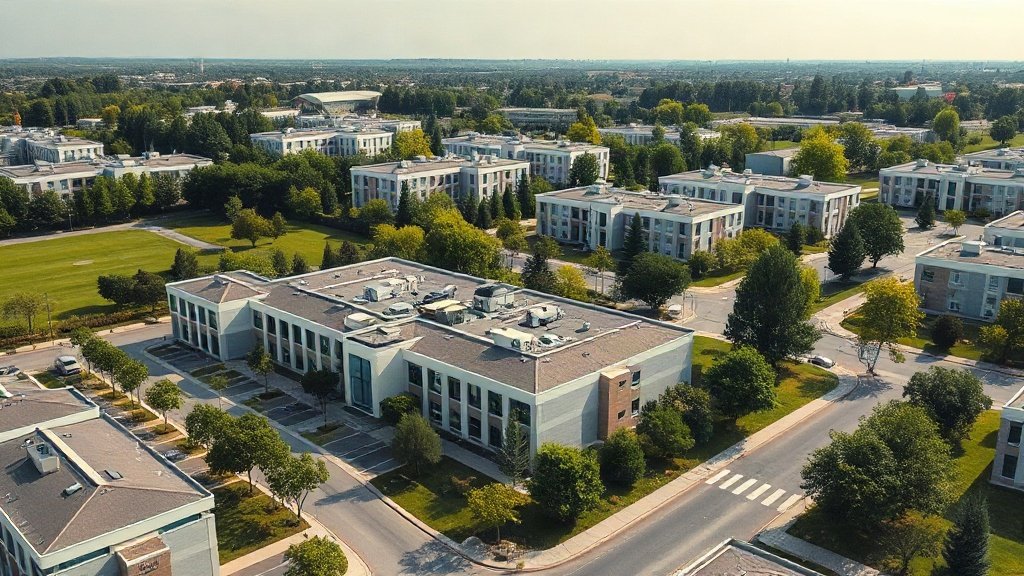
Illustration: AI-generated image
When setting up or expanding a business in Croatia, choosing the right location can make a significant difference. Business zones—known locally as poduzetničke zone—are designated areas developed by local authorities to attract investment and stimulate economic growth. For entrepreneurs, these zones can offer a range of practical advantages, from ready-to-use infrastructure to lower utility costs.
What is a business zone?
A business zone is a specific area within a municipality or city that has been planned and equipped for commercial and industrial activities. Local governments invest in these zones to create jobs and boost the local economy. The zones can vary widely in size and focus, from small craft-oriented zones to large industrial parks. They are typically located on the outskirts of towns, with good transport links.
Key benefits for businesses
One of the most attractive features of business zones is the availability of fully serviced plots. This means that essential utilities such as electricity, water, sewage, and telecommunications are already connected or easily accessible, saving companies time and money on infrastructure development. Additionally, many zones offer reduced utility fees or other financial incentives, often as part of a local development strategy.
Another significant benefit is simplified administrative procedures. Local authorities that manage business zones often provide assistance with permits and paperwork, acting as a single point of contact for investors. This can streamline the process of obtaining construction or operating licences, which is particularly helpful for small businesses without in-house legal expertise.
Who can benefit?
Business zones are suitable for a wide range of enterprises, including manufacturing, logistics, warehousing, and service companies. They are especially beneficial for businesses that require larger plots of land or specific industrial facilities. Start-ups and small businesses can also find opportunities, as some zones are designed to host incubators and co-working spaces.
Foreign investors often find business zones appealing due to the combination of lower costs and local support. However, it is important to note that conditions and incentives vary from one zone to another, so due diligence is essential.
How to find and apply
The first step is to identify a zone that matches your business needs. Information is usually available on the websites of local municipalities or regional development agencies. Key factors to consider include the zone's location, available plot sizes, utility connections, and any specific industry focus. Once you have shortlisted a zone, the next step is to contact the managing authority—often the municipal government or a dedicated development agency—to inquire about availability and application procedures.
Typically, the process involves submitting a business plan or project proposal. The local authority will assess the proposal against its development goals and may offer a plot on a lease or purchase basis. In some cases, there may be public tenders for specific plots. It is advisable to seek legal advice to understand the terms and any obligations attached to the investment.
Points to consider
While business zones offer many advantages, they are not without challenges. Some zones may have specific requirements, such as minimum investment thresholds or employment targets. Additionally, the level of infrastructure and incentives can vary significantly, so it's important to visit the zone and speak with existing tenants if possible. Also, keep in mind that land in popular zones can be in high demand, and the application process may be competitive.
For entrepreneurs willing to do their homework, Croatia's business zones represent a practical pathway to establishing a solid operational base, often with substantial cost savings and local goodwill.