How to Buy Agricultural Land in Croatia: Rules and Steps
Croatia's agricultural land offers opportunities, but strict rules apply for foreigners. Here's what you need to know before making an offer.
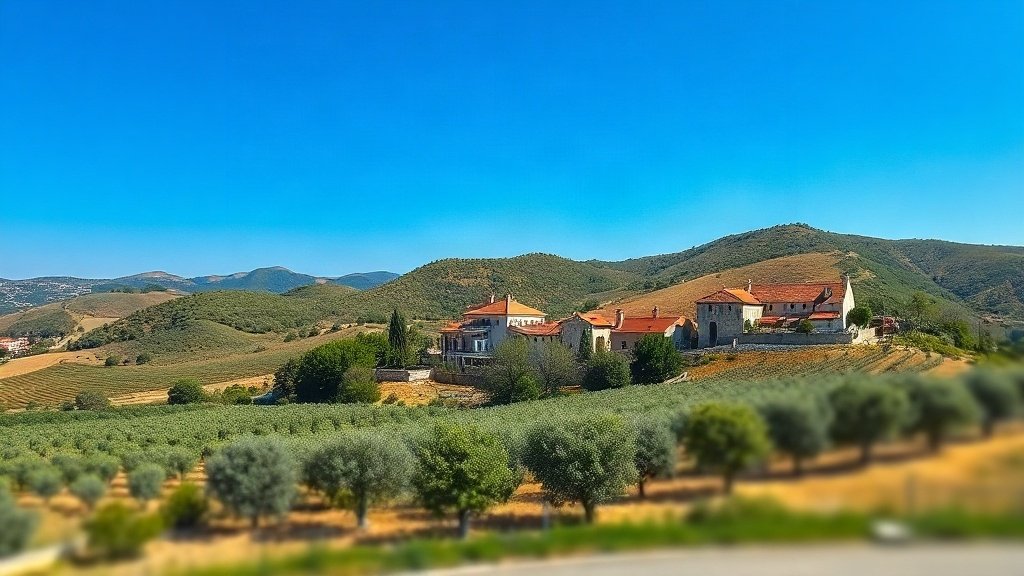
Illustration: AI-generated image
Croatia's fertile plains, sun-drenched vineyards and olive groves have long attracted those with a passion for the land. For foreign investors, buying agricultural property here can be a rewarding venture, but the legal landscape is not always straightforward. Understanding who can buy, and how, is the first step to a successful purchase.
Who Can Buy Agricultural Land in Croatia?
Croatia's rules on agricultural land ownership differ depending on your nationality. Since the country joined the European Union, EU citizens generally enjoy the same rights as Croatian nationals when buying agricultural land. However, there are caveats: the land must be used for agricultural purposes, and certain size limits or local approvals may apply.
For non-EU citizens, the situation is more restrictive. In most cases, individuals from outside the EU cannot directly purchase agricultural land. Instead, a common workaround is to establish a Croatian company, which can then legally acquire the property. This route requires careful structuring and compliance with company law, so professional advice is essential.
Steps to Purchase Agricultural Land
Once you have determined your eligibility, the buying process follows a clear sequence. Start by identifying suitable parcels through local agents, online listings, or direct contact with landowners. The Croatian land registry (zemljišna knjiga) is a vital resource for checking ownership and any encumbrances such as mortgages or easements.
After finding a plot, the next step is signing a preliminary contract (predugovor). This document outlines the terms and usually involves a deposit. The final sales contract (ugovor o kupoprodaji) must be certified by a notary public (javni bilježnik), who verifies identities and ensures the transaction meets legal requirements. Payment is typically made through a bank transfer, and the new owner is then registered in the land registry.
Practical Considerations
Beyond the legalities, think about what the land will actually be used for. Soil quality, water access, and proximity to roads and markets are crucial for farming. If you plan to build structures, check zoning regulations, as agricultural land often restricts construction. Also consider inheritance rules, as they may affect future ownership.
Buying agricultural land in Croatia can be a sound long-term investment, whether for organic farming, vineyards, or simply as a rural retreat. With careful research and the right local expertise, you can navigate the process smoothly and enjoy the fruits of your labour.