How to Sort Your Waste in Croatia: A Guide to Recycling and Bins
Recycling in Croatia is straightforward once you know the bin colours and collection days. Here’s how to sort waste correctly and avoid common mistakes.
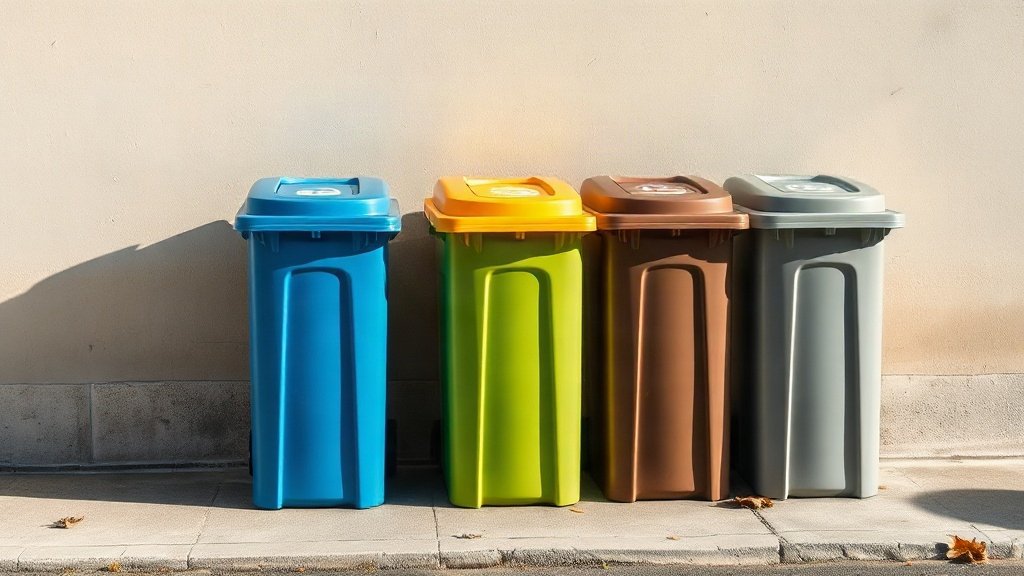
Illustration: AI-generated image
Waste sorting has become a part of everyday life in Croatia, with separate bins for different materials now standard in most towns and villages. For newcomers, the system can seem confusing at first, but once you know the basics, it quickly becomes second nature.
Understanding the bin colours
Most Croatian municipalities use a colour-coded system for household waste. While exact colours can vary slightly from place to place, the most common scheme is:
- Mixed municipal waste – usually a dark grey or black bin, for items that cannot be recycled.
- Paper and cardboard – typically a blue bin or blue-lidded container.
- Plastic and metal – often a yellow bin or yellow-lidded container, but sometimes combined with paper in a single 'packaging' bin.
- Glass – frequently a green bin or green-lidded container, sometimes split into white and coloured glass.
- Bio waste – brown bins are becoming more common for food scraps and garden waste, where separate collection exists.
Always check with your local utility company or building manager, as the colours may differ in your area. Apartment buildings often have communal bins in a designated area, while houses usually have individual bins collected from the kerbside.
What goes where?
Getting the sorting right takes a little practice. Here are the general rules:
- Paper: newspapers, magazines, cardboard boxes (flattened), office paper, paper bags. Avoid soiled paper, such as greasy pizza boxes or used tissues – those go into mixed waste.
- Plastic: plastic bottles, containers, foil, bags, and packaging. Rinse items lightly and squash bottles to save space.
- Metal: aluminium and tin cans, metal lids, aerosol cans (empty). Rinse before disposing.
- Glass: bottles and jars, but not drinking glasses, window glass, or ceramics, which have different melting points and should go to a recycling yard.
- Bio waste: fruit and vegetable peelings, coffee grounds, eggshells, garden trimmings. Never include meat, dairy, or cooked food unless your municipality specifically allows it.
When in doubt, check the pictograms on the bins or ask a neighbour. Many municipalities also provide a detailed guide online or in printed form.
Collection schedules and finding your days
Collection frequency depends on your location and the season. Typically, mixed waste is collected weekly, while recyclables are picked up every two weeks or once a month. Bio waste may be weekly in summer and less often in winter.
Your collection schedule is usually available from your local utility company, often posted in apartment building entrances or on the municipality website. Some areas provide a printed calendar at the start of the year. Note that collection days can change around public holidays, so it's worth checking ahead.
Special waste and bulky items
Items like batteries, electronics, light bulbs, paint, and medicines should not go into regular bins. Most towns have designated drop-off points, often at recycling yards or in special containers outside shops and public buildings. Some municipalities organise periodic collection events for bulky waste such as furniture and appliances – look out for announcements or contact your utility provider.
For larger quantities of garden waste, you may be able to order a special bin or take it to a local composting facility. Many households also compost at home if they have outdoor space.
Common mistakes to avoid
- Putting recyclables in plastic bags inside the recycling bin – they should be loose, as bags can jam sorting machinery.
- Contaminating paper with food residue – a greasy pizza box can spoil an entire batch of recycled paper.
- Forgetting to remove lids and caps from bottles and jars; while some systems accept them, it's safer to separate metal lids from glass.
- Placing glass in the plastic bin – glass breaks and mixes with other materials, making recycling difficult.
With a little attention, you'll soon sort waste without thinking. Not only does it help the environment, but in some municipalities, households that sort well can even receive reductions in waste collection fees – a nice incentive to get it right.