Konavle Silk: A Guide to Croatia's Living Sericulture Tradition
The hills south of Dubrovnik are home to an ancient craft that turns mulberry leaves into shimmering thread. Here's what to know about silk production in Konavle.
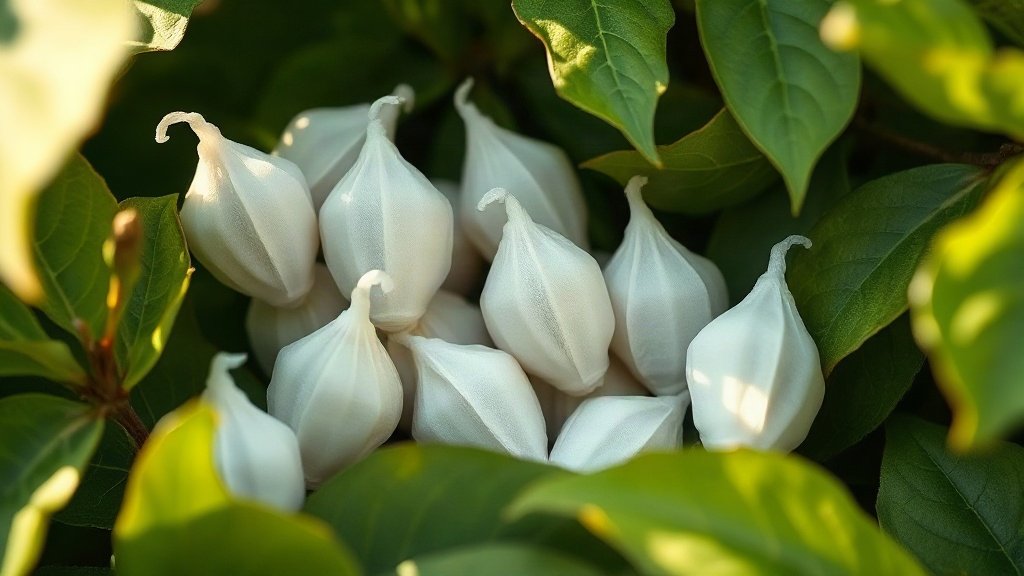
Illustration: AI-generated image
The rolling hills of Konavle, just south of Dubrovnik, hide a craft that has been practised for centuries: the production of silk from the cocoons of silkworms fed on mulberry leaves. While many visitors know the region for its vineyards and traditional embroidery, few realise that those intricate threads were once spun from silk produced right here.
Konavle silk is a fragile but enduring piece of Croatia's cultural heritage. It connects landscape, agriculture and artistry in a single, delicate thread.
A tradition rooted in the landscape
Silk production in Konavle is believed to date back to the 15th century, when the Dubrovnik Republic encouraged the planting of mulberry trees throughout its territories. The white mulberry, whose leaves are the sole food of the silkworm, thrived in the Mediterranean climate of the Konavle valley.
For generations, local families kept silkworms in their homes, feeding them fresh leaves several times a day. The work was labour-intensive and strictly seasonal, tied to the spring growth of the mulberry trees.
From cocoon to thread
The process begins with silkworm eggs, which hatch into tiny caterpillars. Over about a month, the caterpillars eat voraciously and grow, before spinning a protective cocoon of fine silk filament around themselves. Each cocoon can contain hundreds of metres of continuous thread.
To harvest the silk, the cocoons are carefully unwound or reeled. Traditionally, this was done by hand, with several filaments twisted together to form a stronger thread. The raw silk was then washed, sometimes dyed with natural colours, and wound onto spools for use in weaving or embroidery.
Keeping the craft alive
Today, commercial silk production in Konavle has all but disappeared, but the tradition is not forgotten. Cultural associations and local enthusiasts work to preserve the knowledge, planting mulberry trees and teaching the skills to younger generations. Demonstrations are occasionally held at heritage events, where visitors can see the silkworms feeding or watch the delicate art of reeling silk by hand.
The silk itself remains closely associated with Konavle's famous embroidery, which decorates traditional costume and household linens. Even when modern threads are used, the patterns and techniques owe much to this historic link.
Where to experience it
The best way to encounter Konavle silk is through the region's cultural heritage. Museums and ethnographic collections in the area sometimes display silk-making tools and examples of silk embroidery. Folk events in the region may also offer a glimpse of traditional dress, whose intricate patterns owe a debt to this historic thread.