Licitar: A Guide to Croatia's Traditional Gingerbread Hearts
The bright red, ornately decorated licitar heart is one of Croatia's most recognisable symbols. Learn about its history, how it is made, and where you can still see this UNESCO-listed craft practised today.
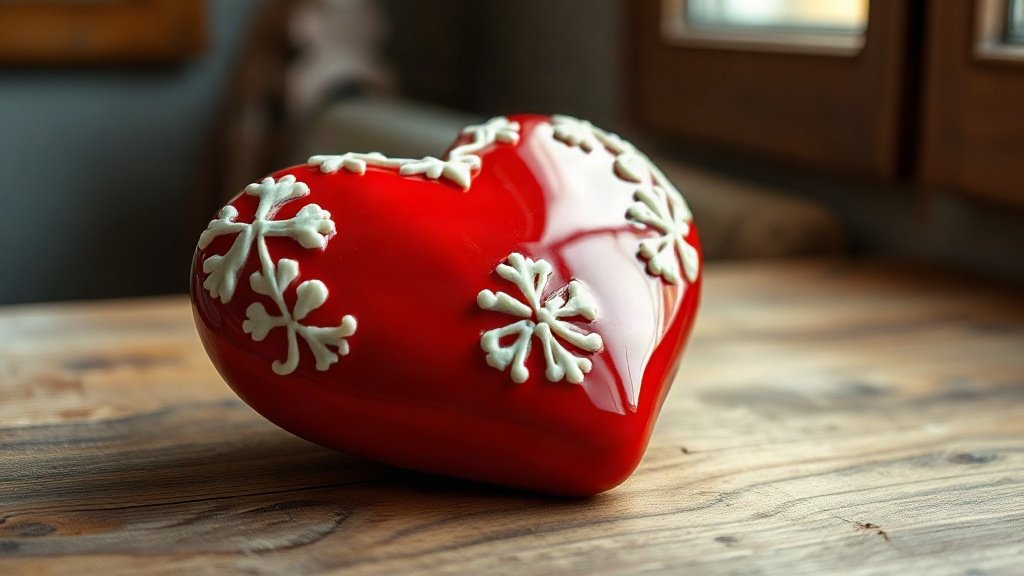
Illustration: AI-generated image
The licitar heart is perhaps the most iconic souvenir a visitor can bring home from Croatia. Bright red, shiny, and decorated with intricate icing patterns, these gingerbread hearts have been a symbol of love and celebration for centuries. But the licitar is far more than a sweet treat; it is a living craft recognised by UNESCO as part of the world's intangible cultural heritage.
What exactly is a licitar?
A licitar is a traditional Croatian biscuit made from a simple dough of flour, water, sugar, and baking powder, sometimes with honey or spices. The biscuit is shaped—most famously into a heart—then baked, dried, and coated with a glossy red glaze. Finally, it is decorated by hand using a piping bag filled with a contrasting icing, often white, to create delicate floral patterns, tiny mirrors, or short personal messages.
Despite its name, the licitar is rarely eaten. Its purpose is decorative and sentimental, given as a token of affection at weddings, christenings, or as a gift for loved ones. In the past, a young man might present a licitar heart to a girl he admired; if she accepted, it was a sign of mutual affection.
Roots in the heart of Croatia
The craft of making licitar is most closely associated with northern Croatia, particularly the regions of Hrvatsko Zagorje and Međimurje, as well as the capital Zagreb. The tradition dates back to the Middle Ages, when gingerbread making was introduced to Central Europe by monks. Over time, Croatian artisans developed their own distinctive style, and by the 18th and 19th centuries, licitar makers were travelling to fairs and markets across the region to sell their wares.
The craft is still practised today, often in small family workshops where techniques have been passed down through generations. Wooden moulds, some centuries old, are used to shape the dough into hearts, birds, horses, and other traditional forms before the decorating begins.
From heart to UNESCO recognition
In 2010, the "Gingerbread craft from Northern Croatia" was inscribed on UNESCO's Representative List of the Intangible Cultural Heritage of Humanity. This recognition highlights not only the skill involved in shaping and decorating the biscuits but also the social role they play in Croatian culture. The licitar heart has become a casual emblem of Croatia itself, seen on everything from keychains to postcards, but the handmade original remains a cherished craft.
Where to see licitar being made today
Visitors to Zagreb, Varaždin, or smaller towns in Zagorje will find licitar hearts for sale at souvenir shops and Christmas markets. The Zagreb Christmas Market, repeatedly voted among the best in Europe, is a particularly atmospheric place to see the craft on display. Some workshops also offer demonstrations, allowing visitors to watch as artisans shape and decorate the hearts by hand.
For those who wish to try their hand at the craft, museums such as the Ethnographic Museum in Zagreb sometimes hold workshops on traditional gingerbread making. The red of the licitar heart—often accompanied by white lace-like icing—has become a visual shorthand for Croatian folk art, and a genuine handmade piece remains a meaningful and beautiful keepsake.