Maruni: A Guide to Lovran's Prized Sweet Chestnuts
Discover the sweet chestnuts from the hills above the Opatija Riviera, a delicacy that defines autumn in this corner of Croatia.
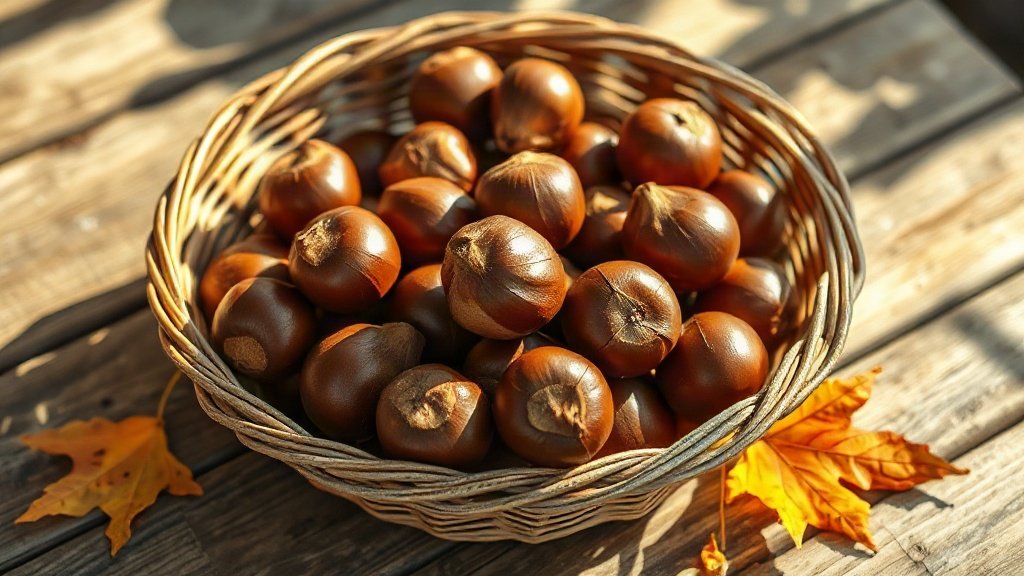
Illustration: AI-generated image
Autumn in the hills above the Opatija Riviera brings a harvest that locals have celebrated for centuries: the marun, a large, sweet chestnut unlike any other. Grown in the forests around Lovran, a small town on the eastern coast of Istria, maruni are prized for their size, flavour, and versatility in both sweet and savoury cooking.
What Makes Maruni Special?
Maruni are not just any chestnuts. They belong to a distinct local variety, known for their large size, glossy brown shell, and exceptionally sweet, floury flesh. The microclimate of the Lovran area — with its mild, humid air from the sea and well-drained, mineral-rich soil — gives the nuts a unique character. Unlike the smaller wild chestnuts found elsewhere, maruni are easy to peel and have a rich, honeyed taste that intensifies when roasted or boiled.
A Tradition Rooted in the Landscape
The chestnut forests around Lovran have been cultivated for generations. Terraced slopes, dry-stone walls, and ancient trees are part of a living cultural landscape that supports local families. Harvesting takes place by hand, with villagers gathering the nuts from the forest floor after they fall, a practice that has remained largely unchanged for centuries. The chestnut is so central to local identity that it features in the town's coat of arms and in the annual Marunada festival, which celebrates the harvest with markets, tastings, and cooking demonstrations.
From Simple Roast to Sweet Purée
Maruni are wonderfully versatile. The simplest way to enjoy them is roasted over an open fire or in a hot pan, their skins splitting to reveal soft, sweet flesh. They are also boiled and eaten as a snack, or used in soups and stews for a nutty, earthy depth. In local kitchens, maruni shine in desserts: puréed and sweetened for fillings in pancakes and strudels, blended into creamy cakes, or preserved in syrup as a spoon sweet. A classic local treat is a chestnut purée served with whipped cream, a comforting end to an autumn meal.
Where to Taste Maruni
If you visit during the chestnut season, from late September to early November, you'll find maruni at the Lovran market and in local konobas. Many restaurants feature seasonal menus with chestnut soup, pasta with chestnut sauce, and chestnut-based desserts. Even outside the harvest months, local producers sell vacuum-packed, frozen, or dried maruni, and chestnut flour is available for baking at home. For a true taste of the region, pair roasted maruni with a glass of sweet Malvazija or a local honey liqueur.
Maruni are more than an ingredient — they are a symbol of Lovran's heritage and a reminder of the simple, seasonal pleasures that define Croatian cuisine. Whether you roast them over a fire, stir them into a soup, or enjoy them in a rich dessert, they offer a delicious introduction to the flavours of Istria and Kvarner.