Paški Sir: A Guide to Pag's Famous Sheep's Milk Cheese
Discover the story behind Croatia's most celebrated cheese, made on the windswept island of Pag, and learn how to enjoy it like a local.
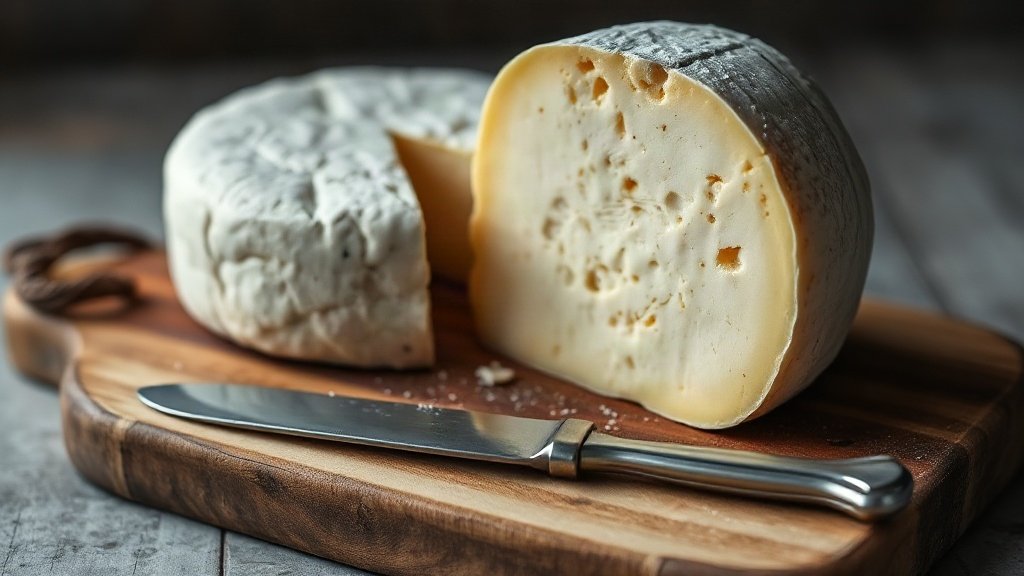
Illustration: AI-generated image
Ask any Croatian food lover to name a national cheese, and Paški sir will almost certainly be the answer. Produced exclusively on the island of Pag, this hard sheep's milk cheese has a flavour that is at once salty, tangy and rich — a direct reflection of the rugged landscape where it is made. For visitors, tasting it is a journey into the soul of Croatian gastronomy.
What makes Paški sir special
The key to Paški sir’s unmistakable taste lies in the island’s harsh, karst terrain. Pag is swept by the fierce bura wind, which carries sea salt onto the sparse pastures where the indigenous Pag sheep graze. These sheep feed on wild aromatic herbs such as sage, immortelle and fennel, and their milk carries these flavours. The salt-laden air also dries the cheese naturally during aging, contributing to its firm texture and savoury notes.
Paški sir has held Protected Designation of Origin (PDO) status since 2019, meaning only cheese produced on Pag using traditional methods and local sheep's milk can bear the name. This recognition highlights its cultural and culinary importance.
How it's made
The production process remains largely artisanal. Fresh sheep's milk is heated and curdled with natural rennet, then the curds are pressed into round moulds. The cheese is brined, then left to age on wooden shelves in stone cellars, where the island’s dry, salty air does its work. Young Paški sir is mild and creamy, but most connoisseurs prefer it aged for six months or more, when it becomes harder, crumblier and intensely savoury.
How to enjoy it
Slivers of aged Paški sir are excellent on their own, paired with a glass of local white wine or a drop of honey. It also grates beautifully over pasta or risotto, and it's a key ingredient in traditional Pag dishes like paški baškotin (a dry bread) and paški makaruni. For a simple starter, serve it with figs, olives and a drizzle of Croatian olive oil. If you find it too salty, try the younger version, which is softer and more delicate.
Where to find it
Cheese lovers should head to Pag island, where small family farms and cheese shops offer tastings. Many restaurants across Croatia feature it on their cheese boards, and it can be found in well-stocked markets and delis throughout the country. While you're there, don't miss the chance to visit a traditional cheese-making facility — it's a fascinating glimpse into an age-old craft.