Prošek: A Guide to Croatia's Traditional Sweet Dessert Wine
Prošek is a traditional sweet dessert wine from Dalmatia, made by slowly cooking down local grapes. Here's what to know about this historic Croatian drink.
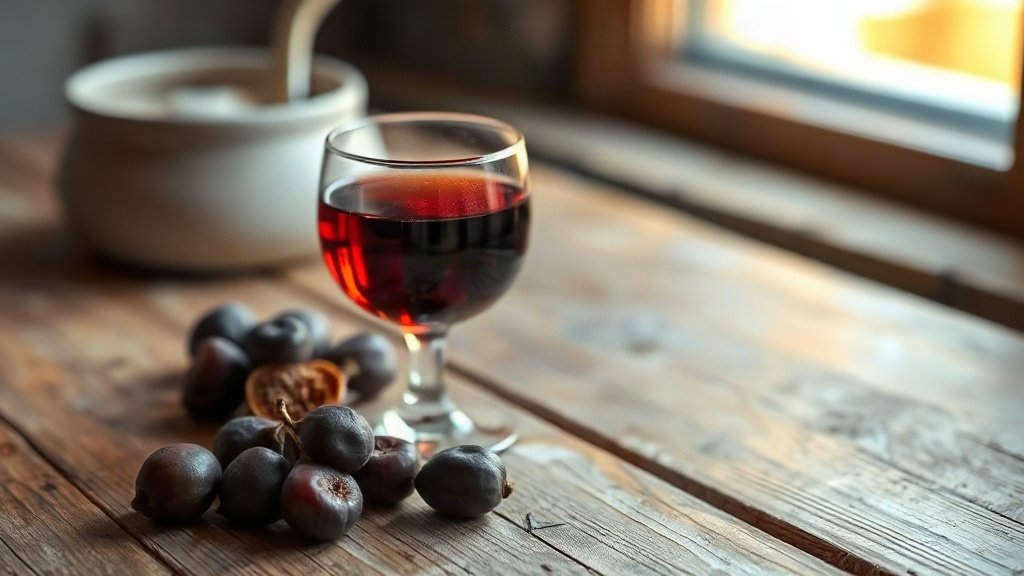
Illustration: AI-generated image
Prošek is a traditional sweet dessert wine produced along the Dalmatian coast and islands. It is made from dried grapes, typically local varieties like Plavac Mali, Maraština, or Bogdanuša, which are left on the vine or laid out on straw mats to concentrate their sugars before fermentation. The result is a rich, amber-coloured wine with flavours of dried figs, raisins, honey, and caramel.
How Prošek is Made
The method is similar to Italian passito wines. Grapes are harvested late in the season and then dried for several weeks, either on the vine, on mats, or hung in airy lofts. The dried grapes are pressed to extract a thick, sweet must, which is then fermented slowly, often in small barrels or glass demijohns. Because of the high sugar content, fermentation stops naturally, leaving residual sweetness and usually an alcohol level of around 14–16 per cent. The wine is often aged for a year or more, though no strict rules apply, as Prošek is mostly a home-made or small-batch product.
Not to Be Confused with Prosecco
Despite the similar-sounding name, Prošek has no connection to the Italian sparkling wine Prosecco. The confusion has led to debates over naming rights, but for wine lovers, the two could not be more different. Prošek is still, sweet, and deeply concentrated, while Prosecco is dry or off-dry, fizzy, and light. When in Dalmatia, asking for Prošek will get you a small glass of rich dessert wine, often served at the end of a meal or during festive occasions.
How to Serve and Enjoy Prošek
Prošek is best served slightly chilled but not ice-cold, at around 12–14°C. It is typically poured into small liqueur or dessert wine glasses, as a little goes a long way. In Dalmatia, it is customary to offer a glass of Prošek to guests as a sign of hospitality, often alongside dried figs, almonds, or a piece of hard cheese. It is also a key ingredient in some traditional sweets, such as the Dubrovnik dessert rožata, where a splash is added to the custard.
- Serve as a dessert wine with cakes, nut pastries, or dark chocolate.
- Try it with strong cheeses like Pag cheese or aged sheep's milk cheese.
- Use it in cooking to deglaze pans or enrich sauces for game or red meat.
- Offer a small glass after dinner as a digestif.
Where to Find Prošek
Prošek is not widely exported, so the best place to taste it is in Dalmatia, particularly on the islands of Hvar, Brač, and Korčula, and in the Pelješac peninsula. Small family wineries and konobas (taverns) often make their own version and may sell it unlabelled, straight from the barrel. On restaurant menus, it is usually listed under dessert wines or as a "sweet wine of the house". If you want to bring a bottle home, look for artisan producers at local farmers' markets or ask at wine shops specialising in Dalmatian wines.
A Wine with a Long History
The practice of making sweet wine from dried grapes likely dates back to ancient times, when Greek and Roman settlers brought winemaking techniques to the Adriatic. Over centuries, Prošek became a staple of Dalmatian households, made each autumn and reserved for special occasions like Christmas, Easter, and weddings. Today, it remains a symbol of hospitality and tradition, often presented to guests as a welcome drink or served with the final course of a festive meal.