A Slow Guide to Brač: Stone, Sea and the Famous Zlatni Rat
Discover Croatia's island of stone and sunshine: from the ever-shifting Zlatni Rat beach to hilltop villages, ancient quarries and quiet coves.

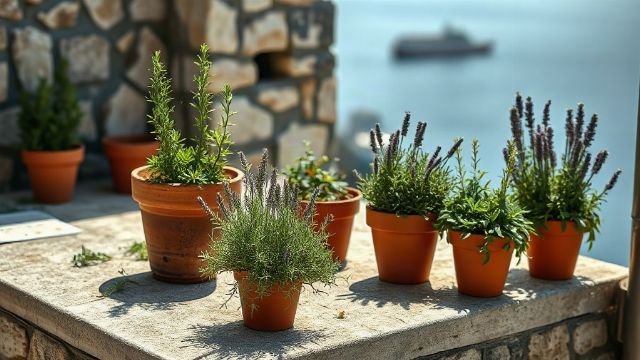
Illustration: AI-generated image
Just an hour by ferry from Split, Brač is an island of dazzling white stone, olive groves and turquoise coves. It is the largest island in Dalmatia and the third largest in the Adriatic, yet it retains a slow, authentic rhythm that rewards travellers who linger. While many visitors come on a day trip to see the famous Zlatni Rat beach, Brač deserves far more than a few hours.
Getting there and around
The main gateway is the car ferry from Split to Supetar, which runs frequently throughout the year and takes about 50 minutes. In summer, a passenger catamaran also connects Split to Bol, the island's most popular resort town. Once on Brač, a reliable bus network links the main settlements, and renting a scooter or car gives you the freedom to explore hidden bays and hilltop villages. The island's roads wind through pine forests and past ancient dry-stone walls, making every journey scenic.
Zlatni Rat: the beach that changes shape
No guide to Brač would be complete without mentioning Zlatni Rat, or the Golden Horn. This remarkable pebble beach extends like a tongue into the sea near Bol, constantly shifting its tip with the currents and winds. Framed by pine trees and the backdrop of Vidova Gora mountain, it is one of the most photographed beaches in Croatia. The water here is clear and refreshing, and the beach is well-equipped with sunbeds and water sports, though it can get crowded in July and August. For a quieter experience, visit in the early morning or late afternoon.
The island of stone
Brač is famous for its high-quality white limestone, which has been quarried since antiquity. This luminous stone was used to build Diocletian's Palace in Split, the White House in Washington, D.C., and parts of the Reichstag in Berlin. The tradition lives on in Pučišća, a village on the north coast, home to one of the few stonemasonry schools in Europe. Wandering its streets, you can hear the tap-tap of chisels and see apprentices shaping blocks by hand. Nearby quarries, some still active, reveal the island's geological story.
Exploring the towns and villages
- Supetar – The main port and administrative centre, with a palm-lined waterfront, a historic cemetery full of sculptural monuments, and easy access to beaches.
- Bol – The tourist heart, known for Zlatni Rat, but also for its charming old town, Dominican monastery and local wine cellars.
- Postira – A peaceful fishing village with excellent seafood restaurants and a lovely harbour promenade.
- Milna – A deep bay on the west coast, often called the island's most beautiful harbour, with stone captains' houses.
- Škrip – The oldest settlement on Brač, home to the Island of Brač Museum housed in the Radojković Tower, showcasing Illyrian, Roman and medieval artefacts.
Outdoor adventures and flavours
Hikers should climb Vidova Gora, the highest peak of all Adriatic islands at 778 metres, for sweeping views over Zlatni Rat and the neighbouring islands of Hvar and Vis. Cyclists will find quiet roads and challenging hills, while windsurfers flock to Bol for the reliable maestral wind. Food lovers should sample local lamb, sheep cheese, olive oil and the island's signature dessert, hrapoćuša – a walnut and citrus cake traditionally made in Bol. Pair it with a glass of local Pošip or Plavac Mali wine.
When to visit
May, June and September offer the best balance of warm weather, open facilities and fewer crowds. July and August are peak season, with lively nightlife in Bol and busy beaches. Winter is quiet and many tourist services close, but the island's stone villages and empty coastal paths have a stark, peaceful beauty.