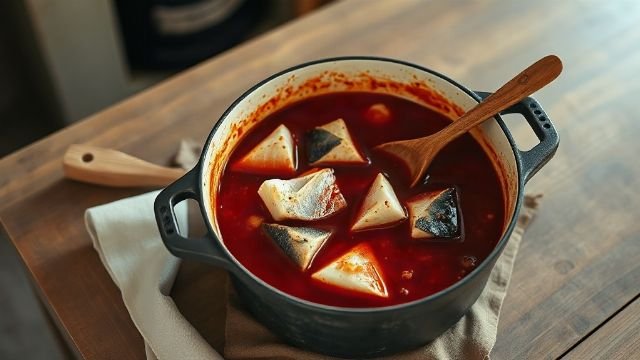
Arambašići: A Guide to Dalmatia's Stuffed Cabbage Tradition
Hearty, slow-cooked and deeply rooted in the Dalmatian hinterland, arambašići are much more than stuffed cabbage rolls. Here is what makes this traditional dish so special.
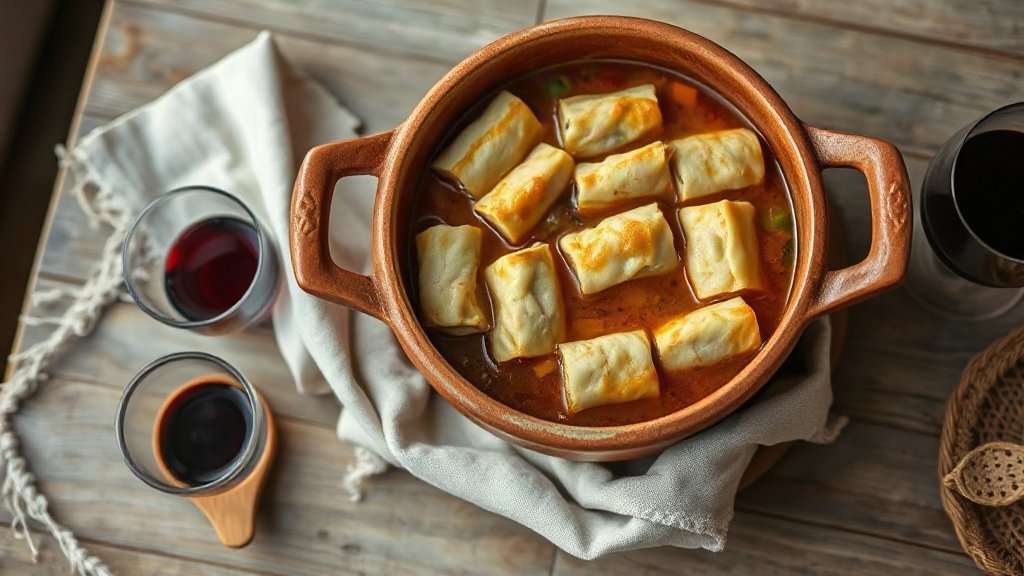
Illustration: AI-generated image
In the rugged inland region of Dalmatia, where stone houses cling to karst hills and winter winds sweep down from the mountains, one dish has sustained families for generations. Arambašići – small, tightly wrapped cabbage rolls filled with a savoury meat mixture – are a symbol of hospitality and tradition. More than a meal, they tell the story of a landscape shaped by resourcefulness and celebration.
What Are Arambašići?
Arambašići are similar to the better-known sarma or stuffed cabbage leaves found across the Balkans and Central Europe, but with a distinctive Dalmatian character. The filling typically combines minced beef, sometimes with a little pork or lamb, along with onions, garlic, smoked bacon, and a blend of spices such as paprika, black pepper, and cloves. Unlike many sarma recipes, arambašići usually contain no rice, which makes the filling denser and richer. The rolls are wrapped in pickled cabbage leaves, which give them a pleasant tang, then slowly simmered in a pot with smoked meat, dried ribs, or cured sausage for depth of flavour.
The name arambašići is thought to derive from the Turkish word harambaša, meaning a bandit leader or rogue, perhaps a nod to the dish's robust, no-nonsense character. Others link it to the word arambaša, which referred to a leader of irregular soldiers in the Ottoman era. Whatever the origin, the name evokes the hearty, rustic spirit of the Dalmatian hinterland.
A Dish for Celebrations
Arambašići are not an everyday convenience food. They are a labour of love, often prepared in large batches for weddings, Christmas, Easter, and other family gatherings. In the towns and villages around Sinj, Imotski, and Vrgorac, making arambašići is a communal activity, with several generations coming together to chop, mix, roll, and layer the cabbage rolls into a large pot. The dish is traditionally cooked slowly for several hours, allowing the flavours to meld and the cabbage to become tender.
Because they take time and effort, arambašići are a sign of respect for guests. Offering a plate of these rolls, along with a glass of local red wine, is a warm welcome that speaks of the region's proud culinary heritage.
How Arambašići Are Made
The process starts with pickled whole cabbage heads, which are carefully separated into leaves. If pickled cabbage is unavailable, fresh cabbage leaves can be blanched and then soured with vinegar. The filling is prepared by finely mincing the meat and mixing it with sautéed onions, garlic, and spices. Some cooks add a splash of red wine or a little tomato paste for extra richness.
Each leaf is trimmed of its thick central rib, then a small amount of filling is placed at the base and rolled tightly, tucking in the sides to form a neat cylinder. The rolls are packed snugly into a pot, layered with pieces of smoked meat or bacon, and covered with water or stock. The pot is then left to simmer gently until the rolls are cooked through and the broth is deeply flavourful.
Where to Taste Arambašići
While arambašići are primarily a home-cooked dish, some traditional konobas and restaurants in the Dalmatian hinterland feature them on their menus, especially during the colder months. If you are visiting Sinj, Imotski, or the surrounding area, keep an eye out for signs advertising "domaći arambašići" or ask locally. Many agritourism households also serve them as part of a traditional feast, often accompanied by homemade bread, cheese, and cured meats.
For those who want to try making them at home, recipes are widely shared in Croatian cookbooks and online, reflecting the pride that local cooks take in their own variations. No two households make them exactly alike – some add a little nutmeg, others use only beef, and the amount of garlic can vary from subtle to generous – but the result is always a comforting, deeply satisfying dish that connects you to the heart of Dalmatia.