Croatian Coffee Culture: A Guide to the Café Ritual
From the strong Turkish-style brew to leisurely espresso on a sunny square, coffee is woven into daily life across Croatia. Here's how to order and enjoy it like a local.

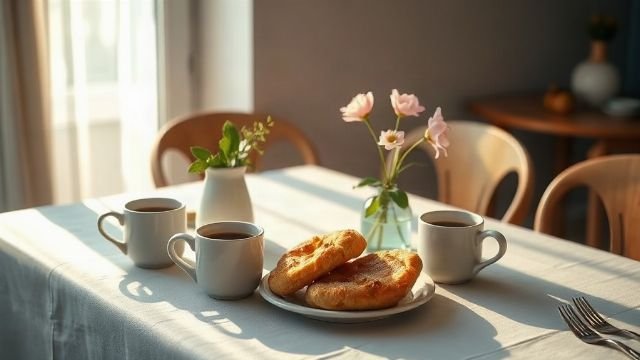
Illustration: AI-generated image
Coffee is more than a drink in Croatia; it is a social institution. Whether you are in a bustling Zagreb square or a quiet Dalmatian harbour, the ritual of coffee is the heartbeat of daily life. This guide will help you understand the types of coffee, how to order, and the unwritten rules of the Croatian coffee scene.
What's in the cup?
The most common order is a simple espresso, known locally as kava. It is strong, dark and often served with a glass of water on the side. If you prefer milk, a makijato (macchiato) is an espresso with a dash of steamed milk, while a kapućino (cappuccino) has more milk and foam. In colder months, many locals enjoy a bela kava (white coffee), which is essentially a milky coffee. For a taste of history, try turska kava (Turkish coffee), prepared in a traditional džezva pot and served in a small cup with grounds settling at the bottom.
Ordering like a local
Ordering coffee is straightforward: simply say jednu kavu, molim for one coffee. If you want milk, ask for s mlekom (with milk) or bez mleka (without milk). Sugar is almost always provided on the table, so you can sweeten to taste. It is perfectly acceptable to linger over a single coffee for an hour or more; waiters will not rush you. In fact, asking for the bill too quickly might be seen as a sign that you did not enjoy your time.
The café as a living room
Croatians treat cafés as extensions of their homes. Friends meet for coffee to chat, business deals are discussed over espresso, and families gather on Sunday mornings. The phrase idemo na kavu (let's go for a coffee) is an invitation to spend quality time together. It is common to see people sitting alone, reading a newspaper or simply watching the world go by. During summer, outdoor terraces fill from early morning until late evening, especially along the coast.
When and where
Coffee is consumed throughout the day. A morning espresso is essential for many, often taken standing at a bar counter for speed. After lunch, a second coffee aids digestion and prolongs the meal. In the late afternoon, especially in Dalmatia, locals gather for a leisurely coffee as the sun softens. While every town has its own favourite spots, the best experiences are often found on main squares or along the riva (waterfront), where you can soak in the atmosphere.
A few local twists
In some regions, coffee is served with a small sweet, such as a piece of lokum (Turkish delight) with Turkish coffee. Along the coast, an iced coffee with a scoop of vanilla ice cream is a popular summer treat, sometimes called ledena kava. No matter the variation, the key is to slow down and savour the moment. Coffee is not just a beverage here; it is a way of life.