Hard Water in Croatia: How to Protect Your Home and Appliances
Many parts of Croatia, especially the coast and islands, have hard water rich in minerals. Here's how to manage limescale and keep your home running smoothly.
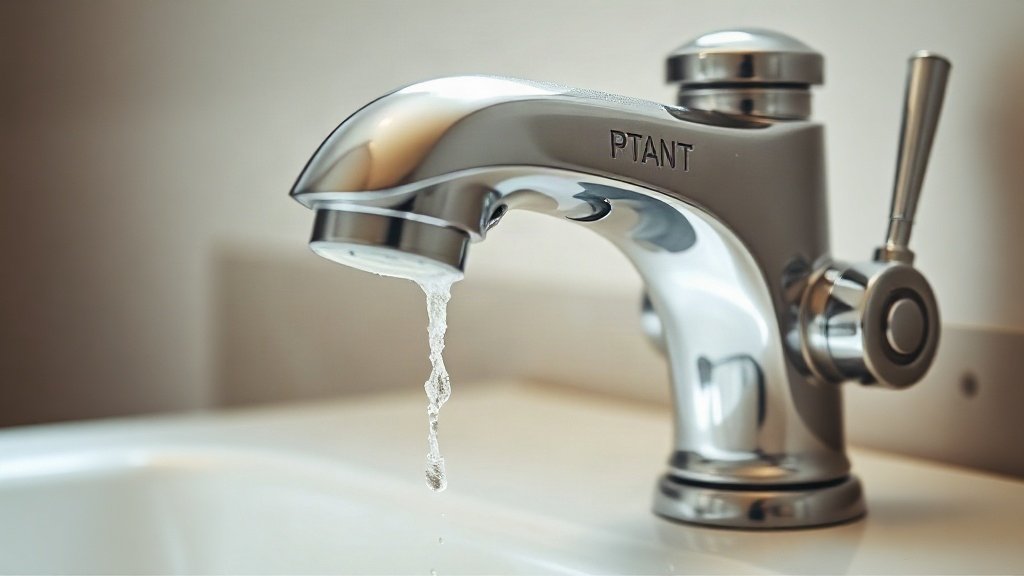
Illustration: AI-generated image
If you live in Croatia, particularly along the coast or on one of the many islands, you may have noticed a chalky white residue on your taps, shower heads, and inside your kettle. This is limescale, a sure sign of hard water. Hard water is common in areas with karst limestone geology, which covers much of the Croatian coastline and hinterland. While it is perfectly safe to drink, hard water can cause a range of nuisances around the home, from spotty dishes to inefficient appliances. Understanding how to deal with it can save you time, money, and frustration.
What is hard water?
Hard water contains high levels of dissolved minerals, primarily calcium and magnesium. These minerals are picked up as water filters through limestone and chalk deposits underground. Croatia's Dalmatian coast, Istria, and many islands are particularly prone to hard water because of the karst landscape. The hardness of water is usually measured in degrees of German hardness (°dH) or milligrams per litre of calcium carbonate. While there is no single national standard, many coastal areas have water that is classified as hard to very hard.
How hard water affects your home
Hard water is not a health hazard; in fact, the minerals it contains are essential nutrients. However, it can cause several household issues:
- Limescale buildup in kettles, coffee makers, water heaters, and washing machines, reducing their efficiency and lifespan.
- Soap scum and reduced lathering of soaps and detergents, meaning you may need to use more product.
- Spots and film on dishes, glassware, and shower doors.
- Stiff, dull laundry, and towels that feel rough.
- Dry skin and hair, as hard water can strip natural oils and leave a residue.
The good news is that many of these problems can be prevented or minimised with simple, inexpensive methods.
Descaling your appliances
Regular descaling is key to keeping appliances working well. For kettles and coffee makers, a simple solution of equal parts water and white vinegar can work wonders. Fill the kettle with the mixture, bring it to a boil, then let it sit for an hour before rinsing thoroughly. For coffee machines, run the vinegar solution through a brewing cycle, followed by two or three cycles of plain water. Alternatively, you can use citric acid, which is available in many supermarkets and is less odorous than vinegar. A tablespoon of citric acid dissolved in water works in a similar way.
For washing machines and dishwashers, many manufacturers recommend periodic cleaning cycles with descaling agents. You can use a cup of white vinegar or a commercial descaling product (check your appliance manual first). Run an empty hot cycle to remove buildup. Also, consider using a water softener in your washing machine; these are often added to the detergent drawer or drum and can improve cleaning performance.
Reducing limescale on surfaces
To tackle limescale on taps, shower heads, and tiles, white vinegar is your best friend. Soak a cloth in vinegar and wrap it around the affected area for an hour, then scrub gently. For stubborn deposits, mix vinegar with a little baking soda to form a paste. Rinse well afterwards. To prevent future buildup, wipe down wet surfaces after each use—a squeegee in the shower works wonders.
Softer skin and hair
Hard water can be harsh on skin and hair, leaving them feeling dry and lacklustre. To mitigate this, consider installing a shower head with a built-in filter, which can help reduce mineral content. Using a gentle, sulfate-free shampoo and a rich moisturiser can also help. Some people find that adding a cup of apple cider vinegar to a bath helps soften the water and restore the skin's pH balance. While these are not permanent fixes, they can make a noticeable difference.
Long-term solutions
If you own your home and want a more permanent solution, you might consider installing a whole-house water softener. These systems use ion exchange to remove calcium and magnesium ions from the water. They require an initial investment and regular maintenance (adding salt), but they can significantly reduce limescale and improve water quality throughout the house. Before deciding, it's a good idea to test your water hardness—test kits are available online or at hardware stores. Also, be aware that softened water contains higher sodium levels, which may not be suitable for drinking or watering plants; many households install a separate tap for unsoftened water.
Living with hard water in Croatia is a common reality, but with a few simple habits and occasional maintenance, you can keep your home running smoothly and your appliances lasting longer.