How to Navigate Croatian Coffee Culture: A Guide to Kava and Kafić Etiquette
Coffee in Croatia is more than a drink—it's a social ritual. Learn how to order, where to sit and how long to stay with this practical guide to kava and kafić culture.
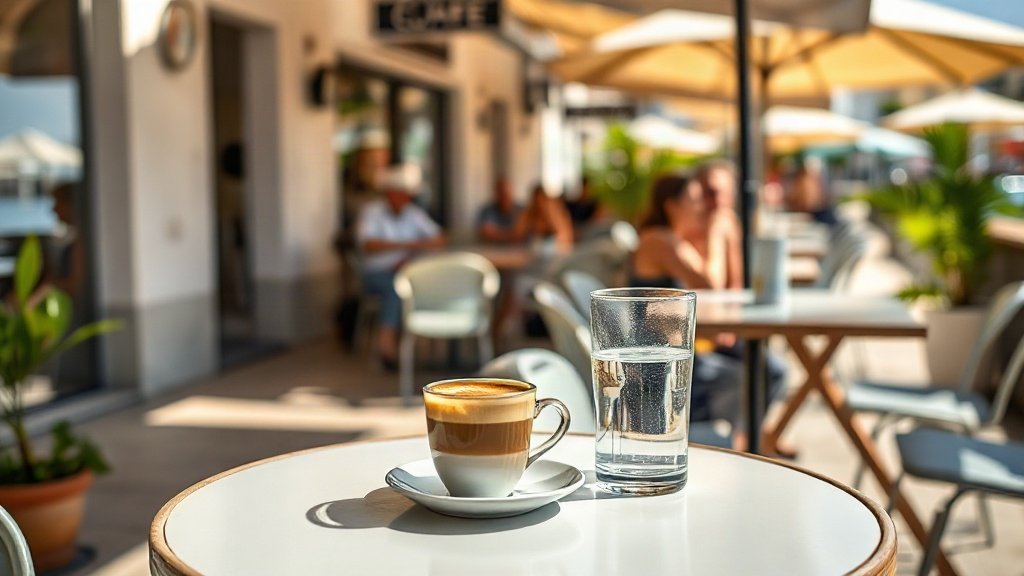
Illustration: AI-generated image
Coffee in Croatia is never rushed. It is a slow, deliberate ritual that anchors the day—a chance to catch up with friends, watch the world go by or simply enjoy a moment of stillness. Understanding how to navigate this culture will help you feel at home, whether you are a new resident or a curious visitor.
What is kava?
Kava simply means coffee. When a local invites you na kavu (for a coffee), it is rarely about the drink itself. It is an invitation to spend time together, often lasting an hour or more. The most common order is an espresso, known simply as kava, served in a small cup with a glass of water and sometimes a small sweet.
Where to sit and how long to stay
In a kafić (café or coffee bar), seating is usually self-selected. Locals often prefer an outside table, even in cooler months, because people-watching is part of the experience. Once seated, there is no pressure to leave. You can sit for hours with a single cup, and waiters will not rush you. It is perfectly acceptable to read, work or just stare into the distance.
How to order
Simply say jednu kavu, molim (one coffee, please) or be more specific: espresso, macchiato, cappuccino or bijela kava (white coffee, often with milk). In summer, many opt for ledena kava (iced coffee) or kava s mlijekom (coffee with milk). If you want a larger coffee, ask for produžena (extended, i.e. an espresso with more water).
Paying and tipping
Typically, you pay when you leave. The waiter will bring a receipt or you ask for the bill—račun, molim. Tipping is not obligatory but rounding up the bill or leaving around 10% for good service is appreciated. Cash is still widely used, though many places now accept cards.
The role of water and sugar
Espresso is always served with a glass of water. It is customary to drink a little water first to cleanse the palate. Sugar is available on the table or brought with the coffee; simply add as desired.
Regional variations
While espresso dominates, you may encounter local twists. In Dalmatia, some older cafés still serve turska kava (Turkish-style coffee, made in a džezva), especially in homes. On the coast, an afternoon coffee often comes with a view of the sea and a longer, even more relaxed pace.
Etiquette tips
- Do not ask for a coffee to go; it is uncommon outside busy city centres.
- If someone invites you for coffee, they usually intend to treat you. Offer to pay next time.
- Smoking may be allowed on terraces; be mindful of others.
- It is polite to greet the waiter with dobar dan (good day) and say hvala (thank you) when served.
Embracing kava culture means slowing down. It is a small but profound way to connect with Croatian everyday life.