Marenda: A Guide to Croatia's Beloved Mid-Morning Meal
Discover the Dalmatian tradition of marenda, a light mid-morning bite that bridges breakfast and lunch with local flavours.
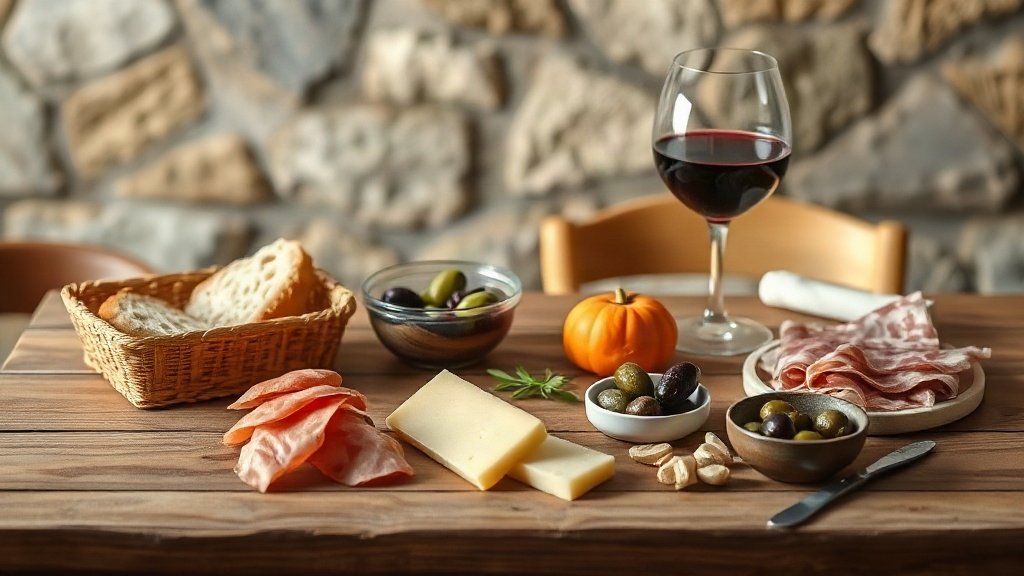
Illustration: AI-generated image
If you spend any time along Croatia's Adriatic coast, you may hear locals mention marenda. This cherished mid-morning meal is more than a snack — it's a daily ritual that reflects the relaxed pace and rich culinary heritage of Dalmatia. Here's everything you need to know to enjoy marenda like a local.
What is Marenda?
Marenda is a light meal eaten between breakfast and lunch, typically around 10 or 11 in the morning. The word comes from the Italian merenda, meaning a small bite. In Dalmatia and on the islands, it's a time to pause work, gather with friends or colleagues, and refuel with simple, local foods. Unlike a full lunch, marenda is modest: a few savoury bites, often accompanied by a glass of wine or a small rakija. It's especially popular among farmers, fishermen and labourers, but everyone enjoys it — offices and shops may even close briefly so staff can take their marenda.
What to Eat
The beauty of marenda lies in its simplicity. The exact spread varies by season and region, but you'll often find a combination of the following:
- Bread — fresh from the local bakery, sometimes drizzled with olive oil.
- Cheese — typically a young sheep's or cow's cheese, or a slice of hard, aged cheese.
- Pršut — thin slices of Dalmatian dry-cured ham, a staple.
- Olives — briny and local, usually served in a small bowl.
- Sardines or anchovies — salted or marinated, a classic coastal addition.
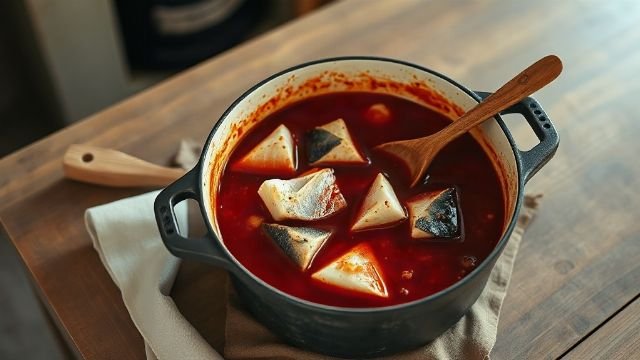
- Cooked dishes — depending on the day, you might get a small portion of pašticada, blitva with potatoes, or a hearty bean stew.
In some households, marenda can be as simple as a slice of bread with a piece of cheese and a few olives. In konobas, you may be offered a marenda platter with a bit of everything.
Where to Enjoy It
If you're visiting, the best place to experience marenda is at a local konoba — a traditional tavern. Many konobas serve a set marenda from mid-morning until early afternoon, often written on a chalkboard outside. These meals are informal and affordable, and they offer a genuine taste of daily life. Alternatively, you can assemble your own marenda from a green market: buy some bread, cheese, pršut and olives, then find a bench with a sea view. The essence is not the location but the pause.
How to Do It Like a Local
Marenda is not rushed. It's a social occasion, even if it lasts only 20 minutes. Order a small glass of local wine — white or red, depending on the food — or a travarica (herbal rakija) if you're feeling traditional. Eat slowly, chat with your companions, and don't check your phone. If someone invites you to marenda at their home, accept: it's a sign of hospitality. And remember, marenda is meant to tide you over, not fill you up; lunch is still to come.
Understanding marenda is key to understanding Croatian food culture. It celebrates seasonality, local produce and the joy of a well-timed break. So next time you're on the coast, skip the big breakfast and embrace the mid-morning ritual — you'll feel like a local in no time.