Picigin: A Guide to Dalmatia's Beloved Beach Game
Learn about picigin, the traditional ball game played in the shallow waters of Dalmatia, its history, how to play, and why it's a summer ritual for locals.
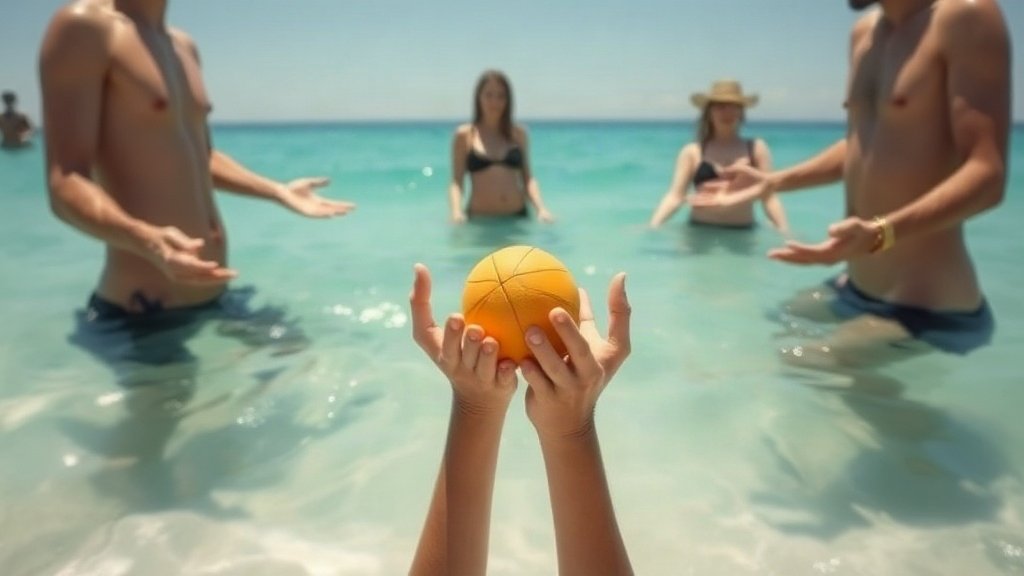
Illustration: AI-generated image
On warm summer days along the Dalmatian coast, you might see a group of people standing in knee-deep water, slapping a small ball to each other with acrobatic dives and dramatic saves. This is picigin (pronounced *pee-tsee-gheen*), a beloved local game that has been a part of coastal culture for over a century. Unlike most sports, picigin has no winners, no losers, and no official scorekeeping—it is played purely for the joy of movement and camaraderie.
What is Picigin?
Picigin is a ball game played in shallow sea water, typically on sandy beaches. Players stand in a circle and use the palm of the hand to hit a small ball, keeping it in the air as long as possible. The game is often spontaneous, and anyone can join. The ball used is small, about the size of a tennis ball, and is traditionally made of rubber. It is light enough to be slapped with an open hand but heavy enough to travel quickly through the air.
Where and How to Play
The most famous picigin beach is Bačvice in Split, where the game is played year-round, even in winter. The ideal conditions are shallow, calm water with a sandy bottom, allowing players to run and dive without injury. To play, you need at least three people, though more make it livelier. The objective is simple: keep the ball from touching the water. Players hit it with the palm, often lunging, jumping, or diving spectacularly to save it. There is no designated server or receiver; anyone can hit the ball from any position.
Rules and Etiquette
The only firm rule is that the ball must not be caught or held—only struck with an open hand. If the ball hits the water, the player nearest to it or the one who failed to save it retrieves it and restarts play with a serve. Because picigin is cooperative rather than competitive, players often call out warnings and encourage each other’s acrobatics. It is common for spectators to applaud a particularly impressive dive. The game requires no special equipment, just a ball and a swimsuit, making it accessible to all ages and skill levels.
A Cultural Staple
Picigin is more than a pastime; it is a symbol of the Dalmatian way of life. It embodies the region's love of the sea, physical play, and social connection. On any summer day at Bačvice, you will see groups of all ages—children, grandparents, tourists—joining in. The game has even been featured in films and cultural events, and there is a World Picigin Championship held annually in Split, though the spirit remains playful rather than competitive.
If you visit Dalmatia in the warmer months, bring a small rubber ball to the beach and ask locals if you can join. You will be welcomed with a smile, and you might find yourself diving into the Adriatic with a new appreciation for this simple yet thrilling tradition.