Pršut: A Guide to Dalmatia's Prized Dry-Cured Ham
Discover the tradition, taste and serving secrets of Dalmatian pršut, Croatia's answer to prosciutto, and learn how to enjoy it like a local.
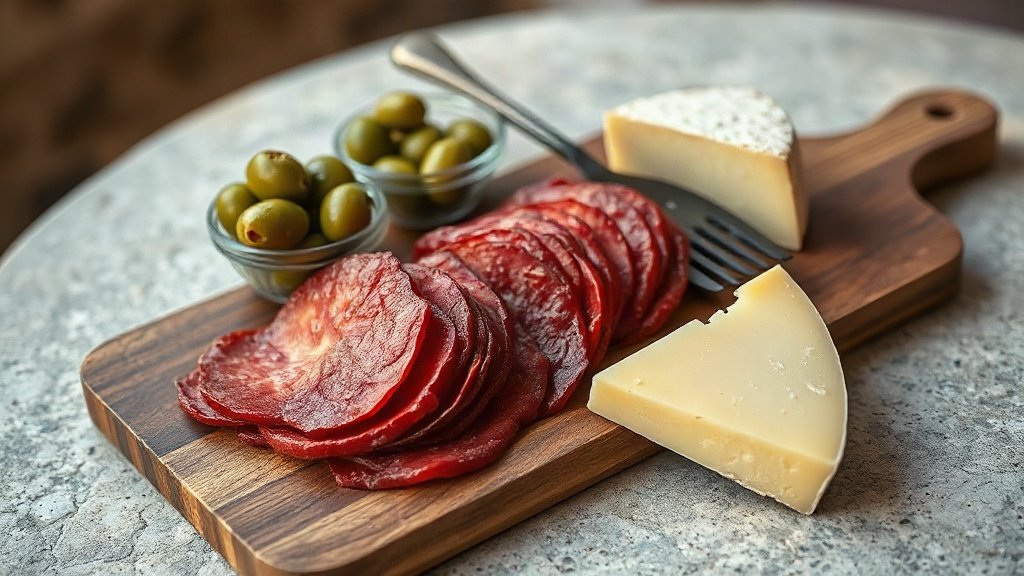
Illustration: AI-generated image
Along the sun-baked coast of Dalmatia, where the bura wind sweeps down from the mountains, one delicacy stands above all others: pršut. This dry-cured ham, similar to Italian prosciutto but with a character all its own, is a cornerstone of Croatian gastronomy and a proud symbol of the region.
What is Pršut?
Pršut is a whole pork leg that is salted, pressed and left to air-dry for many months. The result is a deep ruby-red meat with a concentrated, savoury flavour and a silky texture that melts on the tongue. Unlike some hams, pršut is never smoked; its taste comes purely from the quality of the pork, the sea salt, and the unique microclimate of the Dalmatian coast.
The most famous production areas are in inland Dalmatia, particularly around the towns of Drniš, Sinj, and the islands of Krk and Pag. Each region lends subtle differences to the final product, but all share a dedication to traditional methods passed down through generations.
How Pršut is Made
The process is simple but demands patience. Fresh pork legs are first rubbed generously with sea salt, often with a touch of garlic or pepper, and left to rest in a cool place for several weeks. The salt draws out moisture and begins the preservation. Next, the legs are pressed to remove excess liquid and shape the meat, then hung to dry in well-ventilated rooms or in the open air, where the famous bura wind plays a crucial role.
Drying can last from twelve to eighteen months, sometimes longer. During this time, the ham develops its distinctive aroma and firm texture. A light coating of fat protects the meat, and a natural layer of white mould may appear — a sign of proper ageing, not spoilage. The final product is inspected by hand; a skilled pršut maker can judge quality by smell, touch, and the resistance of the meat.
How to Serve and Eat Pršut
Pršut is best enjoyed simply, at room temperature, sliced paper-thin. It should be cut by hand or with a sharp slicer, never too thick, to release its full flavour. Arrange the slices on a platter, letting them fall into gentle folds. Serve with:
- Freshly baked bread or pogača
- Local cheeses, such as paški sir or kozji sir
- Green or black olives and capers
- A drizzle of extra virgin olive oil
For an authentic Dalmatian marenda (mid-morning snack), pair pršut with a glass of travarica or a dry white wine like pošip. It also stars on plata boards alongside other cured meats, or wrapped around fresh figs or melon for a sweet-savoury contrast.
Pairing Suggestions
Pršut’s rich, salty character pairs beautifully with crisp, mineral whites such as pošip from Korčula or malvazija from Istria. For red wine lovers, a light plavac mali works well. Non-alcoholic options include sparkling water with a twist of lemon or a mild herbal tea. Avoid overpowering the ham with heavy sauces or strong spices — the whole point is to taste the pork and the salt.
Where to Find Quality Pršut
Pršut is sold throughout Croatia in supermarkets, local butcher shops, and open-air markets. For the best quality, look for pršut that carries a designation of origin or regional label, as these indicate adherence to traditional production standards. When buying whole legs, check for a firm texture and an even coat of fat. Sliced packaged pršut is convenient, but freshly cut from a whole leg is always superior.
Buying and Storing Tips
If you purchase a whole pršut, store it in a cool, dry place, ideally hanging. Once cut, wrap the exposed surface tightly in cling film or a clean cloth to prevent drying out, and keep it in the refrigerator. Sliced pršut should be consumed within a few days and always brought to room temperature before serving.
Pršut is a testament to the simple wisdom of Dalmatian cuisine: take excellent raw ingredients, treat them with respect, and let time do the rest. Whether as part of a festive spread or a humble everyday snack, this noble ham offers a true taste of the Adriatic.