Skuta: A Guide to Croatia's Fresh Whey Cheese
Light, creamy and subtly sweet, skuta is Croatia's answer to ricotta. Here's how to enjoy this versatile fresh cheese.
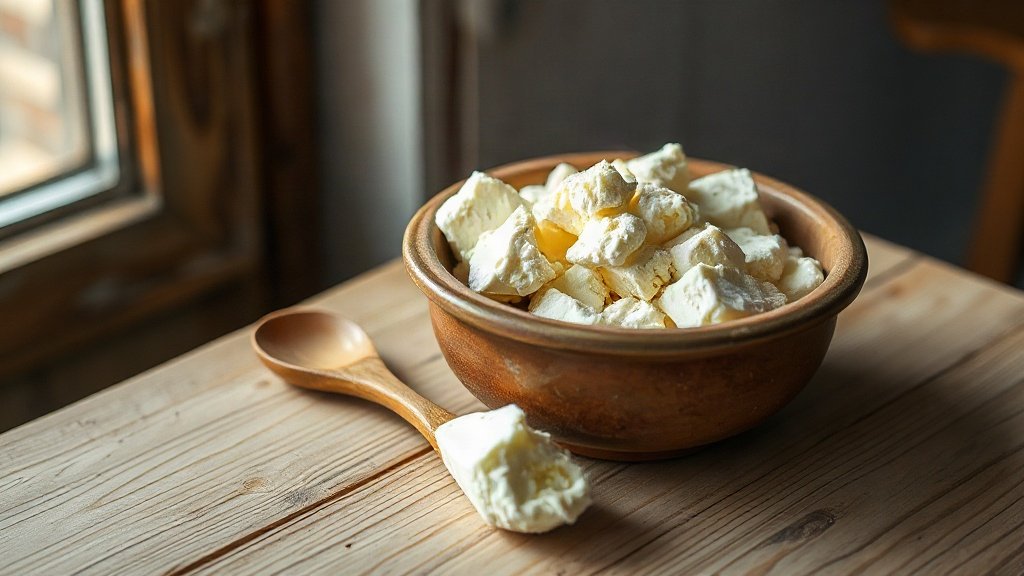
Illustration: AI-generated image
When you think of Croatian cheese, the famous Pag cheese often springs to mind. But there's another dairy delight that locals adore, and it's probably sitting unassumingly at your local market: skuta. This fresh, soft whey cheese is a staple in kitchens across the country, from the hills of Zagorje to the Dalmatian coast. If you love ricotta, you'll feel right at home.
What is skuta?
Skuta is a fresh cheese made from the whey left over after producing other cheeses. Instead of discarding this liquid, Croatian cheesemakers heat it to coax out the remaining proteins, resulting in a delicate, creamy curd. The texture is soft and slightly grainy, with a mild, milky flavour that's gently sweet. Because it's not aged, skuta must be eaten within a few days, making it a true farmhouse treat.
While similar to Italian ricotta, skuta has its own character. In some regions, a little fresh milk or cream is added during production for extra richness, yielding a product that ranges from light and fluffy to dense and spoonable.
How is it made?
The traditional method is wonderfully simple. After cheese is made (often from cow's or sheep's milk), the leftover whey is slowly heated to near boiling. The heat causes the remaining proteins, particularly albumin, to coagulate and rise to the surface. The curds are then gently scooped out and left to drain in cloth-lined baskets or perforated moulds. The result is skuta, a creamy, slightly moist cheese that captures the essence of fresh milk.
How to eat skuta
Skuta's versatility is its superpower. Here are some of the most beloved ways to enjoy it:
- Spread on bread: Top a slice of crusty bread with skuta, a drizzle of honey, and a sprinkle of chopped walnuts for a simple breakfast or snack.
- In štrukli: Skuta is the classic filling for štrukli, the beloved Croatian pastry of dough and cheese, either boiled or baked.
- With palačinke: Fill thin crepes with sweetened skuta, raisins, and a touch of lemon zest, then roll and bake or pan-fry.
- In desserts: Skuta lightens cakes, strudels, and even the famous kremšnita, adding a delicate dairy note.
- Savoury dishes: Mix skuta with herbs and garlic for a quick dip, stir it into pasta, or spoon it over roasted vegetables.
- With fresh fruit: A bowl of skuta topped with seasonal berries or figs makes a refreshing, protein-rich dessert.
Where to find it
Skuta is a market staple, especially at farmers' markets and small cheese stalls. In rural areas, it's often made at home or sold directly from farms, particularly in spring and summer when milk is abundant. You may also spot it in well-stocked supermarkets, usually in the fresh dairy section. When buying, look for a clean, milky aroma and a moist but not watery texture.
Why it matters
Skuta embodies the resourceful spirit of Croatian cooking. By transforming a byproduct into a cherished food, it reflects a deep respect for ingredients and tradition. It's also wonderfully light—lower in fat than many aged cheeses—yet satisfying enough to anchor a meal. Whether you're a curious traveller or a home cook, skuta offers a taste of Croatia's pastoral heart in every spoonful.