Stećci: A Guide to Croatia's Medieval Tombstones
Discover the mysterious medieval tombstones known as stećci, scattered across the Dalmatian hinterland and inscribed on UNESCO's World Heritage List.
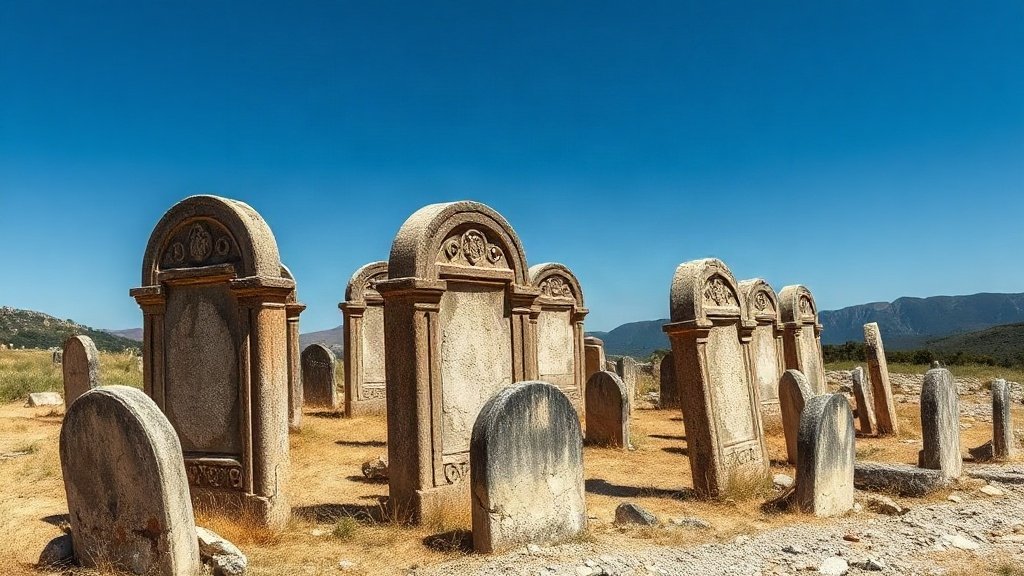
Illustration: AI-generated image
Across the rocky landscapes of Croatia's Dalmatian hinterland, you may come across clusters of ancient stone blocks, weathered by centuries of wind and sun. These are stećci (singular: stećak), monumental medieval tombstones that offer a fascinating glimpse into the region's past.
What are stećci?
Stećci are large stone monuments, typically carved from a single block of limestone, that were used as tombstones from the 12th to the 16th centuries. They are found mainly in Bosnia and Herzegovina, but also in parts of Croatia, Montenegro, and Serbia. In Croatia, they are concentrated in the Dalmatian interior, from the area around Imotski down to Konavle near Dubrovnik.
The word stećak comes from the old Slavic word "stojećak", meaning "standing thing" or "tall stone", reflecting their upright or recumbent form. They vary in size from simple slabs to elaborate chests and gabled monuments, often arranged in groups that mark family burial grounds or whole necropolises.
Decorations and symbols
One of the most intriguing aspects of stećci is their rich decoration. Many are adorned with carved reliefs depicting a range of motifs: crosses, crescent moons, stars, spirals, rosettes, and stylised plant forms. Figural scenes are also common, including hunting, dancing, jousting, and processions. Some stećci bear inscriptions, often in the Bosnian Cyrillic script, that record the name of the deceased, sometimes with a short phrase or a curse against those who disturb the grave.
The meaning of these symbols is still debated. Some may have pre-Christian origins, while others reflect medieval Christian, Bogomil, or local folk beliefs. The diversity of motifs suggests a complex cultural mix in this region during the Middle Ages.
Where to see stećci in Croatia
While many stećci are scattered in remote fields and hillsides, a few sites are well documented and accessible. The most important are those included in the UNESCO World Heritage listing of "Stećci Medieval Tombstones Graveyards", which includes four sites in Croatia:
- Cista Velika (Velika and Mala Crljivica) near Imotski
- St. Barbara in Dubravka, Konavle
- Greblje in Konavle
These sites feature particularly fine examples of decorated tombstones and are signposted for visitors. Other notable locations include the area around Lovreć, Bisko, and the Cetina region, where stećci can be seen in open fields or along hiking trails.
UNESCO recognition and significance
In 2016, UNESCO inscribed 28 necropolises with stećci on the World Heritage List, recognising their outstanding universal value as a unique testament to medieval European funerary art. The listing highlights the cultural interactions between different communities and the continuity of tradition over four centuries.
Today, stećci are not only historical monuments but also a source of local pride and a subject of ongoing research. They attract historians, archaeologists, and curious travellers who appreciate their silent beauty and the mysteries they hold.