A Guide to Croatia's Traditional Folk Costumes: Regional Styles and Origins
From the embroidered vests of Slavonia to the white linen of the Adriatic islands, Croatia's folk costumes are a vivid record of history, climate and community.
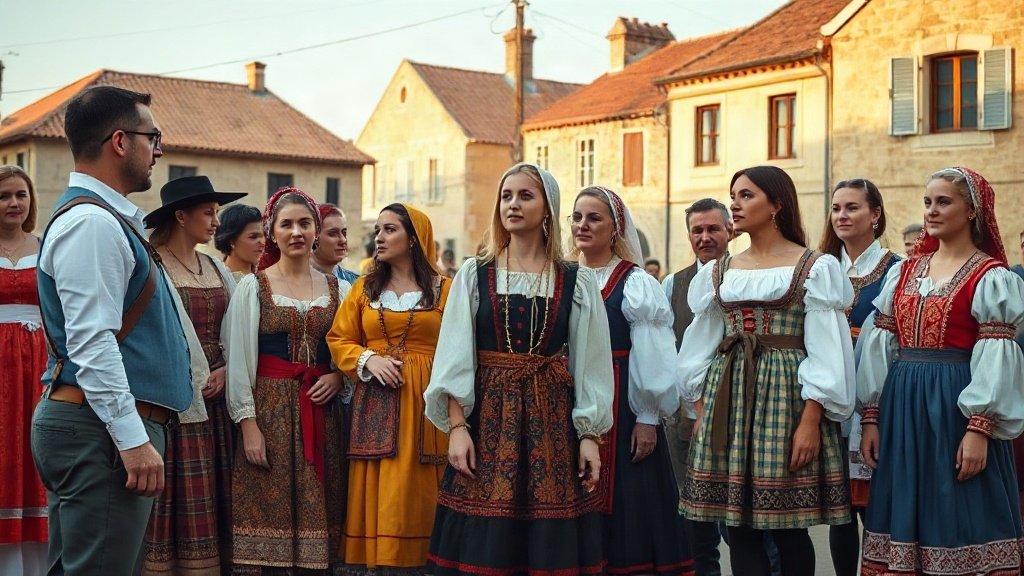
Illustration: AI-generated image
Croatia's traditional folk costumes are among the most varied in Europe, reflecting centuries of geography, climate and cultural exchange. Each region developed its own distinctive dress, worn for work, festivals and rites of passage. Today these costumes survive in folklore groups, museums and special occasions, offering a colourful window into village life.
A patchwork of regional styles
Broadly, Croatian folk dress falls into three cultural zones: the Pannonian lowlands, the Dinaric highlands and the Adriatic coast. Each zone has countless local variations, but common threads emerge.
Pannonian Croatia (Slavonia, Baranja, Međimurje) is known for its white linen base, often decorated with dense floral embroidery in red, black and gold. Women wear layered skirts, aprons and headscarves, while men don white trousers, embroidered shirts and vests. Gold-thread embroidery and lace collars signal wealth and skill.
Dinaric Croatia (Lika, Dalmatian hinterland) favours darker, woollen garments suited to harsher climates. Women's costumes feature long dark skirts, woven aprons and red caps, while men wear brown or black trousers, vests and caps. The famous red lička kapa is a symbol of the region.
Adriatic Croatia (Istria, Kvarner, Dalmatian coast and islands) shows Mediterranean influences: lighter fabrics, bright colours and simpler cuts. Women often wear white blouses, dark skirts and colourful aprons, with head coverings varying by island. Men's dress includes white shirts, dark vests and red sashes.
Key elements and symbolism
Costumes were made at home from locally produced materials: linen, wool, hemp and later cotton. Embroidery patterns, colours and jewellery indicated marital status, village identity and social standing. Aprons, sashes and headdresses were particularly meaningful. For example, married women covered their hair, while unmarried girls wore it loose or in braids with ribbons.
Occasions and continuity
Folk costumes were worn daily until the early 20th century, but today they appear at weddings, church feasts and folklore festivals. Many towns stage annual smotre folklora (folklore reviews) where groups perform in authentic dress. The costumes are also preserved in ethnographic museums across the country, though no single museum holds a complete collection.
For visitors, the best chance to see costumes in context is at local festivals, particularly during summer or around major religious holidays. Even in tourist centres, you may spot folklore ensembles parading in traditional dress, keeping the visual language of Croatian heritage alive.