A Guide to Klapa: Croatia's Soulful A Cappella Singing Tradition
Discover the history, characteristics and where to experience klapa, the beloved Dalmatian harmony singing that UNESCO has recognised.
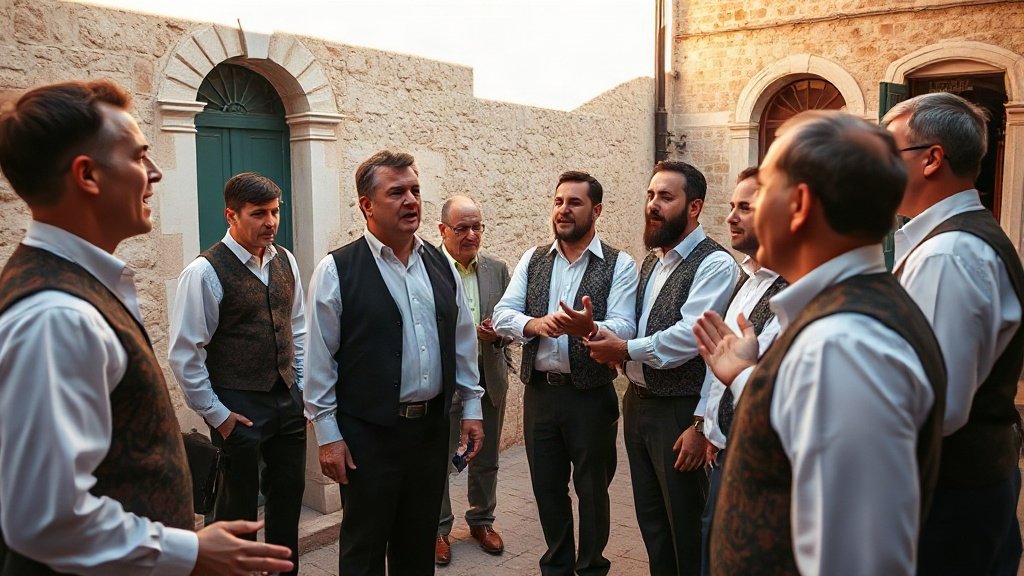
Illustration: AI-generated image
Along the sun-drenched coast of Dalmatia, a distinctive sound rises from stone courtyards, taverns and church squares. It is klapa, a form of traditional a cappella singing that has become one of Croatia's most cherished cultural exports. In 2012, UNESCO inscribed klapa on its Representative List of the Intangible Cultural Heritage of Humanity, cementing its place as a living tradition worth celebrating.
What is klapa?
The word klapa translates roughly as "a group of friends", and that sense of camaraderie lies at the heart of the music. Traditionally, a klapa is a group of five to eight male singers who perform multipart harmony without instrumental accompaniment. The voices are typically arranged as first tenor, second tenor, baritone and bass, with the first tenor often taking the lead melody while the others weave a rich harmonic tapestry.
Klapa songs, known as klapske pjesme, are usually slow and lyrical, with themes revolving around love, the sea, the homeland, wine and the beauty of the Dalmatian landscape. The singing is characterised by close harmonies, precise intonation and a free, expressive rhythm that allows the melody to breathe. The result is both intimate and powerful, evoking the Mediterranean spirit of the region.
Origins and evolution
Klapa emerged in the mid-19th century in Dalmatian towns and villages, influenced by earlier forms of folk singing and the Italian bel canto tradition. It was originally an informal practice, performed by friends at gatherings, on fishing boats or in konobas (taverns). Over time, it developed into a more structured art form, with groups competing at festivals and performing on stage.
While the traditional klapa remains male, women's klape and mixed groups have become increasingly popular since the late 20th century. These ensembles often sing the same repertoire but with a different vocal texture, adding new dimensions to the tradition. Today, klapa is not only a symbol of Dalmatian identity but also a beloved genre across Croatia and among the diaspora.
Where to experience klapa
For visitors, klapa is best experienced live in its natural setting. Throughout the summer months, many coastal towns host klapa concerts in historic squares, churches and open-air stages. The most famous event is the annual Festival of Dalmatian Klapas in Omiš, which has been held since 1966 and draws groups from across the region. Smaller festivals and spontaneous performances can be found in towns like Split, Zadar, Šibenik and Dubrovnik, often as part of local feasts or cultural programmes.
Klapa is also a staple at weddings, christenings and other celebrations, where it adds a touch of tradition and emotion. If you hear harmonies drifting from a konoba late in the evening, you have likely stumbled upon an impromptu klapa session—a reminder that this music is, above all, about community and shared joy.
Klapa today
While deeply rooted in tradition, klapa continues to evolve. Contemporary composers have written new klapa songs, and some groups have experimented with crossover styles, blending klapa with pop or classical music. Despite these innovations, the core elements—unaccompanied voices, close harmony and heartfelt expression—remain unchanged. For many Croatians, klapa is more than music; it is a soundtrack to life along the Adriatic, a living link between past and present.