A Guide to the Rijeka Carnival: Croatia's Biggest Party
The Rijeka Carnival is one of Croatia's most vibrant celebrations, known for its colourful parades, masked groups, and the burning of the Pust. Here's what you need to know.
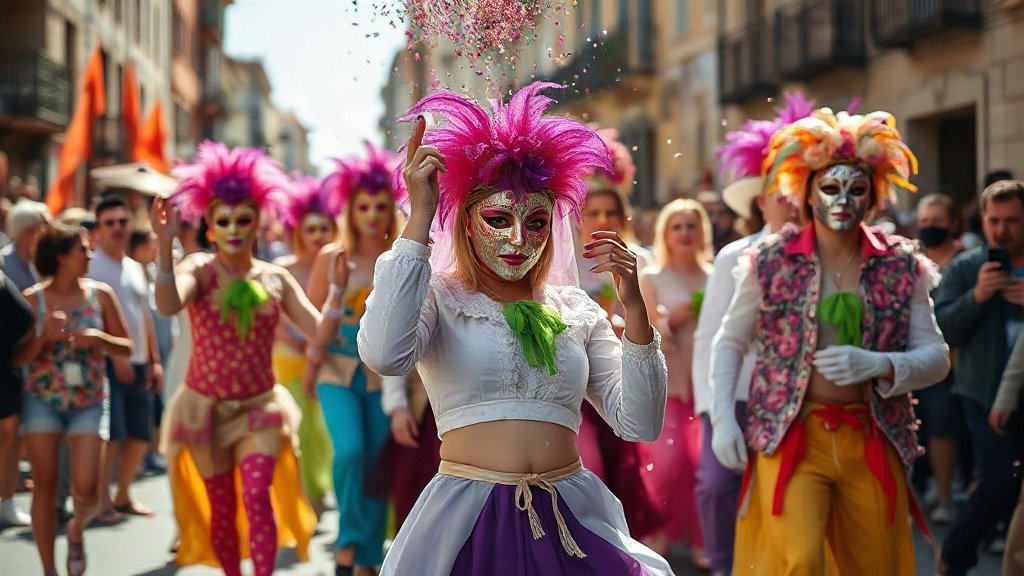
Illustration: AI-generated image
Each year, as winter begins to loosen its grip, the streets of Rijeka erupt in a whirl of colour, music, and masked merrymaking. The Rijeka Carnival is not just Croatia’s biggest carnival – it is one of the largest in Europe, drawing tens of thousands of visitors who come to dance, laugh, and chase away the cold. Whether you are a first-time visitor or a seasoned carnival-goer, this celebration offers a unique window into Croatia’s living folk culture.
History and Tradition
Carnival traditions in the Rijeka region go back centuries, rooted in ancient rites of spring and the need to banish winter. The modern Rijeka Carnival, however, was revived in 1982 when a group of enthusiastic citizens decided to bring the city’s masked heritage back to life. Since then, it has grown into a spectacular event that blends local customs with international flair, while remaining deeply connected to the traditions of the surrounding villages – especially the famous Zvončari (bell ringers) from the Kastav area, whose clanging bells are believed to drive away evil spirits.
The Main Events
The carnival season officially opens in January with the raising of the Carnival Flag and the handing over of the city keys to the Carnival Master. But the true highlight is the International Carnival Parade, held on the last Sunday before Shrove Tuesday. This massive procession winds along the city’s main street, Korzo, featuring dozens of floats, thousands of masked participants, and lively music. Each group brings its own theme, often satirical or whimsical, and the crowd is encouraged to dress up and join the fun.
A few days earlier, the Children’s Carnival delights families with a parade of the youngest masked revellers, while the Masked Motorcade offers a more spontaneous, street-level celebration. Throughout the season, the city hosts concerts, parties, and exhibitions, creating a festive atmosphere that spills into every corner.
The Burning of Pust
No carnival is complete without a symbolic scapegoat, and in Rijeka that role belongs to Pust – a large straw effigy that represents all the troubles and misdeeds of the past year. In a humorous public “trial,” Pust is found guilty of everything from bad weather to personal grudges, and on Shrove Tuesday evening, he is burned on the waterfront as the climax of the carnival. The ritual, accompanied by fireworks and collective cheering, marks the end of winter and the beginning of a fresh start.
Tips for Visitors
If you plan to experience the Rijeka Carnival, wearing a mask or costume is highly recommended – it is the easiest way to become part of the celebration rather than just a spectator. Arrive early along the parade route to secure a good viewing spot, as the streets fill quickly. The carnival takes place over several weeks, so you can choose between the opening ceremony, the children’s events, or the grand finale. Be prepared for loud music, confetti, and a contagious sense of joy that makes this one of Croatia’s most unforgettable cultural experiences.