Croatian Blue Fish: A Guide to Sardines, Anchovies and Mackerel
Discover the tradition of plava riba, the small oily fish that define Dalmatian seaside cuisine, from simple grills to salted preserves.
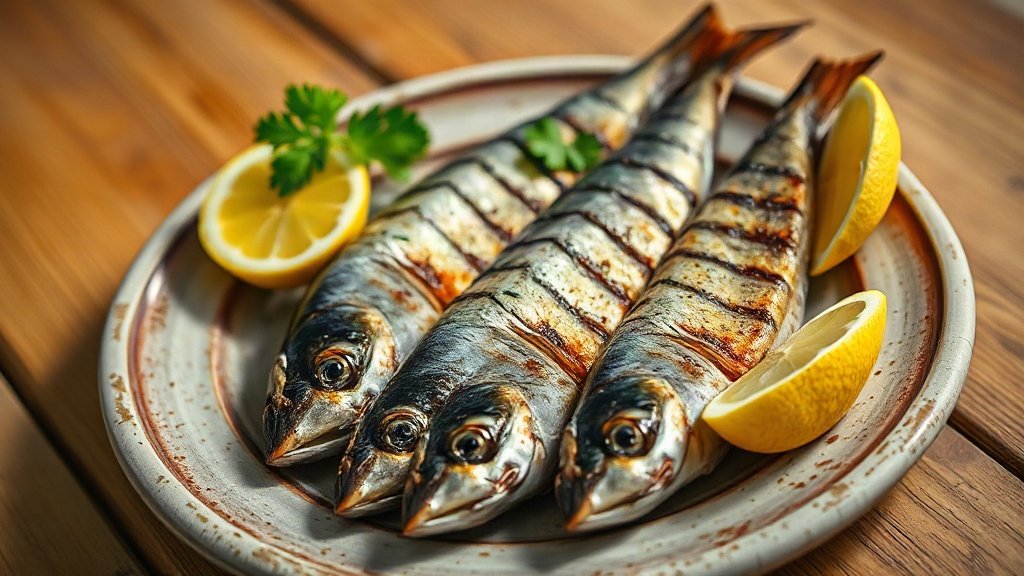
Illustration: AI-generated image
Along Croatia's long Adriatic coast, the aroma of grilling fish is a constant of summer evenings. Among the most beloved are the small, silvery species collectively known as plava riba – blue fish. Sardines, anchovies and mackerel are not only a staple of Dalmatian tables but also a link to a seafaring past and a model of simple, honest cooking.
What is Blue Fish?
The term "blue fish" refers to oily fish with a bluish-green back and silver belly. In Croatia, the most common are srdela (sardine), inćun (anchovy) and skuša (mackerel). They are prized for their rich flavour, high omega-3 content and affordability, making them a democratic delicacy enjoyed by all.
Blue fish have been central to the Mediterranean diet for centuries. Fishing communities from Istria to Dalmatia relied on the seasonal migration of these shoals, and preservation techniques like salting and marinating allowed them to be enjoyed year-round.
Traditional Preparations
Blue fish are incredibly versatile. The most iconic preparation is na gradele – grilled over hot coals, often simply with olive oil, lemon and parsley. The fish are usually left whole, gutted and scaled, then cooked until the skin crisps and the flesh flakes easily.
Another classic is slana srdela – salt-cured sardines. Packed in layers of coarse sea salt, they develop an intense, briny flavour. Before serving, they are rinsed, filleted and dressed with olive oil, garlic and sometimes a splash of vinegar. This method dates back to when refrigeration was unavailable and is still a beloved part of the coastal antipasti spread.
Anchovies are often marinirane – filleted and cured in vinegar, then layered with olive oil, garlic and herbs. This technique, similar to Spanish boquerones, yields a delicate, tangy bite that pairs perfectly with crusty bread and a glass of white wine.
Where to Enjoy Blue Fish
The best place to try blue fish is at a konoba, a traditional family-run tavern. In coastal towns and on islands, konobas often grill the day's catch on an outdoor fire, and blue fish are always a highlight. Local ribarnice (fish markets) are also excellent sources for raw fish if you wish to cook at home.
During summer, many coastal villages host fešte od srdela – sardine festivals where grills are set up in the open air and plates of freshly grilled fish are served with bread and wine. These gatherings are a true celebration of local food culture.
How to Cook Grilled Sardines at Home
Grilling sardines is straightforward and requires only a few ingredients. Here is a basic method:
- Choose fresh sardines with bright eyes, shiny skin and a firm body. Ask your fishmonger to gut and scale them, or do it yourself at home.
- Rinse the fish and pat dry. Season inside and out with coarse sea salt.
- Preheat a grill or griddle pan to high heat. Lightly oil the fish to prevent sticking.
- Grill for 2–3 minutes per side, until the skin is charred and the flesh is opaque.
- Serve immediately with a drizzle of extra virgin olive oil, a squeeze of lemon and chopped fresh parsley.
For a more substantial meal, serve grilled sardines with blitva (Swiss chard and potatoes) or a simple tomato salad.
Buying and Storing Tips
When buying blue fish, freshness is everything. Look for clear, bulging eyes, red gills and a sea-fresh smell. Sardines and anchovies are best eaten the same day; mackerel can be kept refrigerated for up to two days. If you buy salted or marinated products, store them according to the producer's instructions and consume within a few weeks of opening.
Whether you enjoy them at a seaside konoba or grill them in your own kitchen, blue fish offer a taste of the Adriatic that is both timeless and deeply satisfying.