Fritule: A Guide to Croatia's Beloved Festive Doughnuts
Small, sweet and often spiked with raisins and rakija, fritule are a cherished treat across Croatia. Here's what makes them special and how to enjoy them like a local.
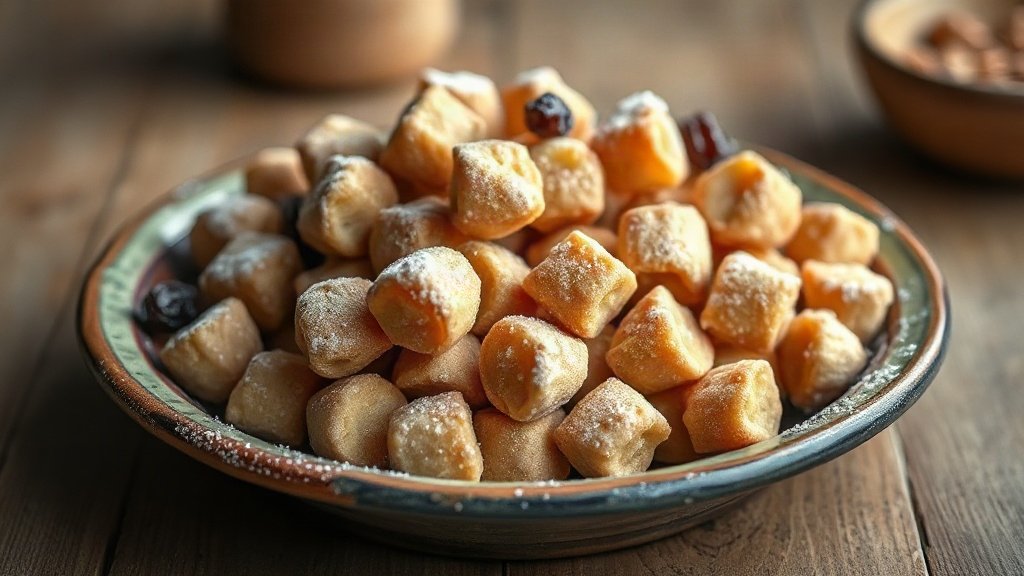
Illustration: AI-generated image
Walk through any Croatian Christmas market or festival and you will likely spot a stall selling fritule – small, golden doughnuts that are impossible to resist. These bite-sized treats are a beloved part of the country's culinary tradition, especially during Advent and Carnival season, but many bakeries and konobas serve them year-round. Thought to have originated in the Venetian Republic, fritule reflect the strong Italian influence along the Adriatic coast, yet they have become a distinctly Croatian delight.
What are fritule?
Fritule (pronounced free-TOO-leh) are tiny, round doughnuts made from a simple batter of flour, eggs, milk, sugar, yeast or baking powder, and often enriched with grated lemon or orange zest, rum or rakija, and raisins. They are deep-fried until golden and crisp on the outside, soft and fluffy inside, then dusted with icing sugar or sometimes drizzled with chocolate or honey. The name comes from the Italian word "frittella", meaning fritter, and in Croatia they are considered a festive staple rather than an everyday snack.
How are they made?
The batter is typically thicker than pancake batter, and small portions are dropped into hot oil using a spoon or a piping bag. Some recipes call for a yeasted dough that rises before frying, resulting in a lighter texture, while others use baking powder for a quicker version. Raisins soaked in rum or brandy are a classic addition, though some cooks leave them out or add grated apple or chopped nuts. A key step is rolling the hot fritule in sugar or dusting them generously with icing sugar while they are still warm. The frying process is quick, and the doughnuts are usually made in small batches to be eaten immediately.
When and where to enjoy them
Fritule are strongly associated with Christmas and New Year, when the aroma of frying dough fills homes and street stalls. They are also a staple of Carnival celebrations, particularly in coastal towns where they are eaten in the days before Lent. However, you can find them in bakeries and cafes throughout the year, especially in tourist areas during summer. Look for them at local markets, festival stalls, and family-run konobas, where they are often served as a dessert or with afternoon coffee. In many households, making fritule is a cherished family tradition passed down through generations.
Regional variations
While the basic fritule recipe is similar across Croatia, there are regional twists. In Dalmatia, they often include a splash of rakija and citrus zest; in Istria, they might be flavoured with local honey or grappa; and in Slavonia, a touch of plum jam is sometimes added to the batter. Some cooks roll the fritule in cinnamon sugar instead of icing sugar, and a few modern versions are filled with chocolate or custard. Despite these variations, the essential character remains the same: a small, sweet, deep-fried treat that brings people together.
How to eat them like a local
Fritule are best enjoyed warm, straight from the fryer, with a generous coating of powdered sugar. Pair them with a strong espresso, a glass of prošek (sweet dessert wine), or a small rakija for a truly Croatian experience. They are perfect for sharing, as it is nearly impossible to eat just one. If you are lucky enough to be invited to a Croatian home during the holidays, you will likely be offered a plate of homemade fritule – a sure sign of hospitality. Whether you encounter them at a bustling Advent market or a quiet seaside cafe, fritule are a delightful taste of Croatian tradition. Their simplicity and comforting flavour make them a favourite for locals and visitors alike, and they are a must-try for anyone with a sweet tooth.