How to Shop at a Croatian Farmers' Market: Etiquette and Tips
Learn the unwritten rules of Croatia's beloved green markets, from choosing the best produce to greeting vendors like a local.
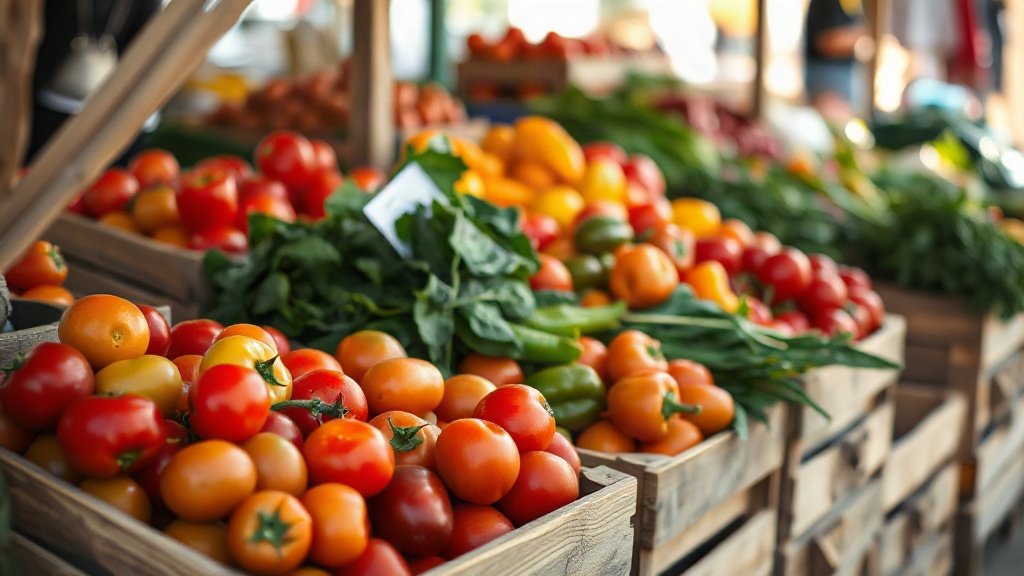
Illustration: AI-generated image
For many people living in Croatia, the farmers' market — or tržnica — is more than a place to buy food. It is a weekly ritual, a social hub and the best way to taste the true seasons of the country. Whether you are new to Croatia or simply want to shop like a local, a few simple tips will help you navigate the stalls with ease and avoid common mistakes.
When to go
The busiest and best-stocked market days are usually Saturday mornings, when farmers from surrounding villages bring their freshest produce. If you prefer a calmer experience, try a weekday morning; many markets are open daily except Sundays, but the selection may be smaller. Arrive early — by 10 a.m. the best items are often gone, and by noon many vendors begin packing up.
What to bring
Bring your own bags or baskets. While plastic bags are available, most regulars carry a sturdy cloth bag or a traditional woven basket. It is also wise to have small change, as some vendors may not accept cards, especially at smaller stalls. A shopping list is helpful, but leave room for impulse buys when you see something that looks exceptional.
How to interact with vendors
A friendly dobar dan (good day) goes a long way. Vendors appreciate when you greet them before asking about prices. Don't be afraid to ask for advice: "What is good today?" (Što je danas dobro?) will often earn you a warm recommendation. If you are unsure how to prepare a vegetable, ask — many sellers are happy to share family recipes. While you may see locals squeezing a tomato or smelling a melon, handle produce gently and avoid picking through everything. If you want a specific amount, use gestures or simple Croatian: pola kile (half a kilo), jedan kilogram (one kilogram).
What to buy
The market is the best place to find seasonal, often organically grown produce. In spring, look for wild asparagus and strawberries; in summer, tomatoes, peppers and figs; in autumn, mushrooms, grapes and chestnuts; in winter, citrus, cabbage and root vegetables. Beyond produce, many markets sell eggs, cheese, honey, cured meats and flowers. Buying directly from producers supports local families and gives you a genuine taste of the region.
Cultural tips
Bargaining is not common at Croatian farmers' markets. Prices are usually fixed and fair; haggling may be seen as rude. If you are a regular customer, vendors may occasionally add a little extra to your bag — accept it with a smile and a hvala (thank you). Remember that many markets close by early afternoon, so plan your visit accordingly. And if you hear a vendor calling out to passers-by, it is simply their way of advertising; there is no pressure to buy.
Shopping at a Croatian farmers' market is a joyful, sensory experience. With these simple tips, you will quickly feel at home among the colourful stalls and lively banter.